
Not a Veggie Fan? 10 High-Fibre Foods to Improve Your Health

Fibre is one of the most important nutrients for your overall health, yet many people don’t get enough of it. If you’re not a fan of vegetables, don’t worry - there are plenty of high-fibre foods that aren’t veggies. Including these in your daily meals can improve digestion, stabilise blood sugar, support heart health, and even reduce long-term disease risks.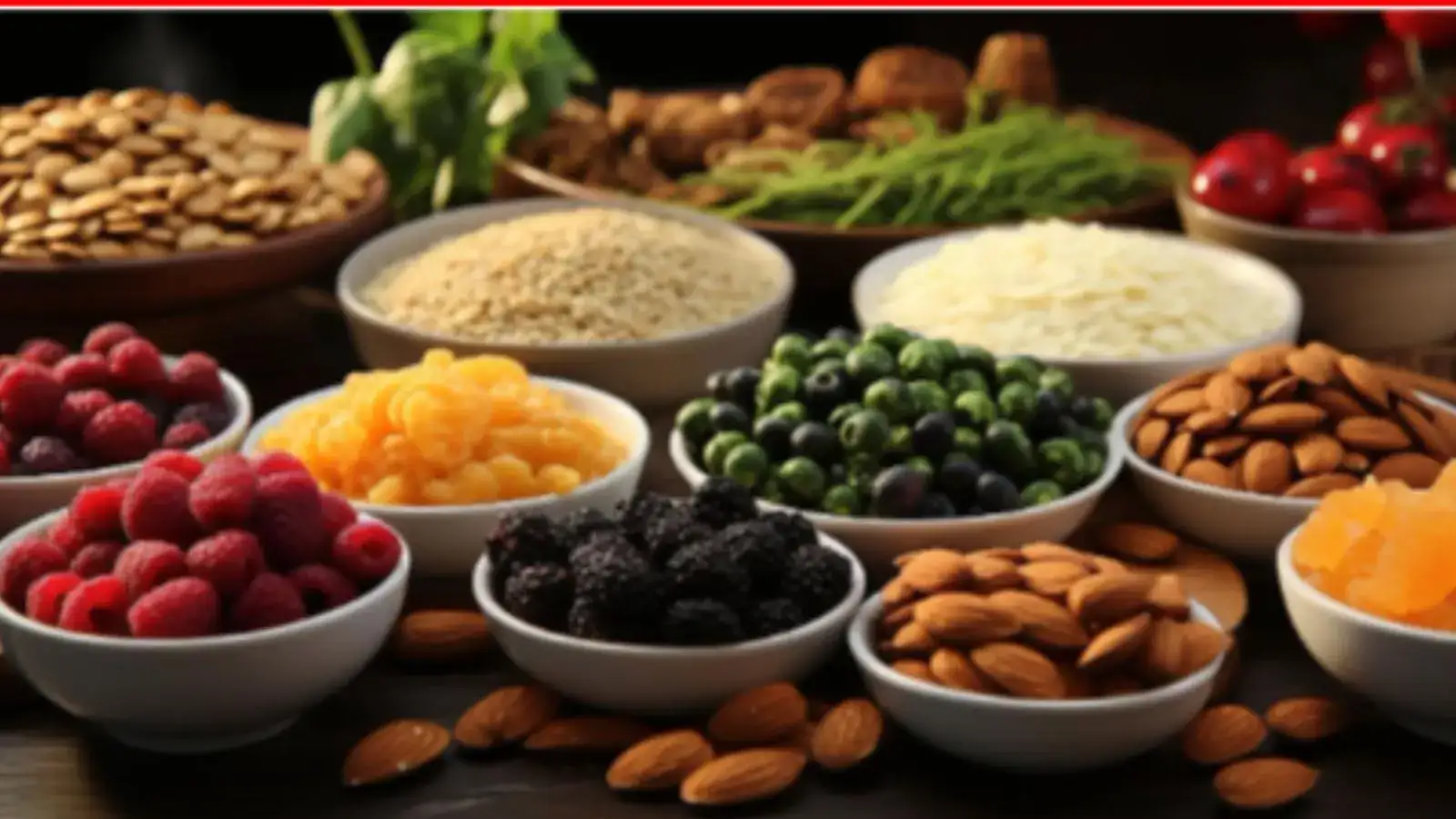
Why Fibre Matters More Than You Think
Fibre often gets overlooked because it isn’t trendy or flashy. But it quietly plays a key role in keeping your body in balance. It aids smooth digestion, prevents constipation, lowers cholesterol, and may reduce the risk of chronic diseases such as diabetes and heart problems.
According to dietary guidelines, adults should aim for 25–35 grams of fibre daily, while children need slightly less. Yet studies show most people consume far less than recommended. The challenge isn’t knowing fibre is important - it’s finding practical, everyday foods that provide it.
10 High-Fibre Foods That Aren’t Vegetables
Dr Saurabh Sethi , a gastroenterologist trained at AIIMS, Harvard, and Stanford, shares a list of high-fibre foods that go beyond your usual greens:
Easy Ways to Include Fibre Daily
Adding fibre-rich foods to your routine doesn’t have to be complicated. Here are simple tips:
Dr Sethi also recommends high-fibre snacks that are gentle on the stomach, helping to prevent bloating while keeping energy levels steady throughout the day. The goal isn’t to overhaul your diet overnight - it’s about making small, consistent changes. Over time, these habits add up, making fibre a regular part of your meals.
Why Fibre Matters More Than You Think
Fibre often gets overlooked because it isn’t trendy or flashy. But it quietly plays a key role in keeping your body in balance. It aids smooth digestion, prevents constipation, lowers cholesterol, and may reduce the risk of chronic diseases such as diabetes and heart problems.
According to dietary guidelines, adults should aim for 25–35 grams of fibre daily, while children need slightly less. Yet studies show most people consume far less than recommended. The challenge isn’t knowing fibre is important - it’s finding practical, everyday foods that provide it.
You may also like
- Want a Clear Mind? Ayurveda's 5000-Year-Old Secret Inside
- When God Doesn't Change Your Situation, He Changes You
- Discover the Surprising Benefits of Cucumbers in Summer
- The Shift Towards a Slower Lifestyle: Retirees Embrace Tranquility in Goa and Beyond
- Strategies to Achieve Wealth: Your Path to Financial Success
10 High-Fibre Foods That Aren’t Vegetables
Dr Saurabh Sethi , a gastroenterologist trained at AIIMS, Harvard, and Stanford, shares a list of high-fibre foods that go beyond your usual greens:
- Chia Seeds – Just 2 tablespoons provide about 10 grams of fibre. Sprinkle them in smoothies, oatmeal, or yogurt for an easy boost.
- Black Seeds – Two tablespoons contain 5-6 grams of fibre and add a nutty flavour to meals or baked goods.
- Lentils – Half a cup of cooked lentils gives roughly 8 grams of fibre. They’re versatile for soups, salads, and curries.
- Chickpeas – Half a cup of cooked chickpeas offers close to 6 grams of fibre. Roasted chickpeas make a crunchy, fibrous snack.
- Raspberries – One cup provides 8 grams of fibre, making them one of the highest-fibre fruits available.
- Blackberries – A cup of blackberries gives around 7.5 grams of fibre, perfect for breakfast bowls or desserts.
- Pear with Skin – A medium pear with skin contains 5-6 grams of fibre. Keep the skin on to maximise benefits.
- Oats – Half a cup of dry oats, especially steel-cut or rolled, packs around 5 grams of fibre. Ideal for a filling breakfast.
- Quinoa – One cup of cooked quinoa provides 5 grams of fibre along with protein and other nutrients.
- Black Beans – Half a cup of cooked black beans offers roughly 7.5 grams of fibre. Great in salads, stews, or wraps.
Easy Ways to Include Fibre Daily
Adding fibre-rich foods to your routine doesn’t have to be complicated. Here are simple tips:
- Sprinkle chia or black seeds over cereals, yogurt, or smoothies.
- Swap refined breakfast cereals for oats or quinoa bowls.
- Include lentils, chickpeas, or beans in salads, soups, or curries.
- Snack on berries or enjoy a pear with skin for a natural, sweet fibre boost.
Dr Sethi also recommends high-fibre snacks that are gentle on the stomach, helping to prevent bloating while keeping energy levels steady throughout the day. The goal isn’t to overhaul your diet overnight - it’s about making small, consistent changes. Over time, these habits add up, making fibre a regular part of your meals.






More from our partners


Loving Newspoint? Download the app now
