
Nourishing Motherhood: 5 Key Nutrients Essential for Every Mommy-To-Be

Pregnancy is a miraculous and transformative journey, and proper nutrition plays a crucial role in ensuring the health and well-being of both the mother and the growing baby. As an expectant mother, it's essential to prioritize a balanced and nutrient-rich diet to support the development of your little one and maintain your own health. In this article, we'll explore five key nutrients that are particularly vital for every mommy-to-be.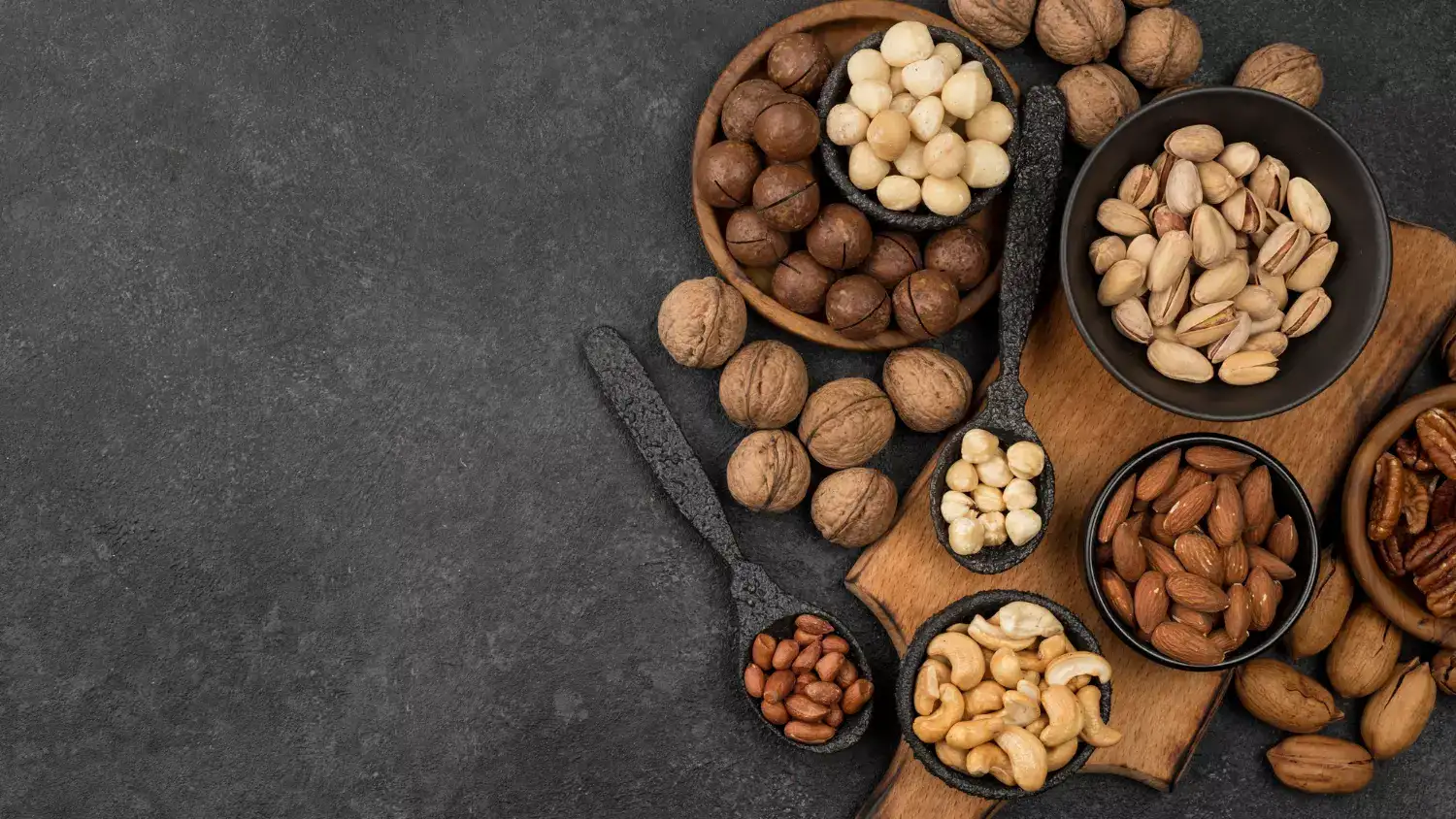
Folic Acid: The Foundation for Healthy Development
Folic acid, also known as vitamin B9, is a crucial nutrient during pregnancy as it plays a fundamental role in the early development of the baby's neural tube, which eventually forms the brain and spinal cord. Adequate folic acid intake in the early weeks of pregnancy significantly reduces the risk of neural tube defects. Green leafy vegetables, fortified cereals, and legumes are excellent sources of folic acid that should be included in a pregnant woman' s diet .
Calcium: Building Strong Bones and Teeth
Calcium is essential for the development of the baby's bones and teeth. If the mother's calcium intake is insufficient, the growing fetus will draw calcium from the mother's bones, potentially leading to osteoporosis later in life. Dairy products, leafy greens, tofu, and fortified plant-based milk are excellent sources of calcium that can help meet the increased demand during pregnancy.
Iron: Ensuring Oxygen Supply for Both Mother and Baby
Iron is a crucial component of hemoglobin, the protein in red blood cells that carries oxygen to tissues and organs. During pregnancy, a woman's blood volume increases to support the growing baby, requiring an increased intake of iron. Iron deficiency during pregnancy can lead to anemia, fatigue, and complications during delivery. Good sources of iron include lean meats, legumes, nuts, and fortified cereals.
Omega-3 Fatty Acids: Brain and Vision Development
Omega-3 fatty acids, particularly DHA (docosahexaenoic acid), are vital for the development of the baby's brain and eyes. These essential fats are found in fatty fish like salmon, walnuts, chia seeds, and flaxseeds. Including omega-3-rich foods in the diet can contribute to optimal neurological and visual development for the baby.
Protein: Building Blocks for Growth and Repair
Protein is essential for the growth and repair of tissues in both the mother and the developing baby. Adequate protein intake during pregnancy supports the development of the baby's organs, muscles, and immune system. Good sources of protein include lean meats, poultry, fish, eggs, dairy products, legumes, and nuts. A varied and balanced diet can help ensure that the body receives all the essential amino acids necessary for optimal health.
Folic Acid: The Foundation for Healthy Development
Folic acid, also known as vitamin B9, is a crucial nutrient during pregnancy as it plays a fundamental role in the early development of the baby's neural tube, which eventually forms the brain and spinal cord. Adequate folic acid intake in the early weeks of pregnancy significantly reduces the risk of neural tube defects. Green leafy vegetables, fortified cereals, and legumes are excellent sources of folic acid that should be included in a pregnant woman' s diet .
Calcium: Building Strong Bones and Teeth
Calcium is essential for the development of the baby's bones and teeth. If the mother's calcium intake is insufficient, the growing fetus will draw calcium from the mother's bones, potentially leading to osteoporosis later in life. Dairy products, leafy greens, tofu, and fortified plant-based milk are excellent sources of calcium that can help meet the increased demand during pregnancy.
You may also like
- Delhi Lakshmi Yojana: Will ₹2,500 be credited to your account, or is there a wait? Here's how to check your application status.
- PM Surya Ghar Application Rejected: Here's How to Fix Errors Online
- Man Bitten by Rat While Watching Movie in Theater; Awarded ₹18,000 Compensation
- Big news ahead of the 24th installment of the PM Kisan Yojana: ₹5,000 crore credited to the accounts of 6.36 lakh farmers..
- What are the things you should keep in mind when seeking treatment at a hospital? Avoid being scammed.
Iron: Ensuring Oxygen Supply for Both Mother and Baby
Iron is a crucial component of hemoglobin, the protein in red blood cells that carries oxygen to tissues and organs. During pregnancy, a woman's blood volume increases to support the growing baby, requiring an increased intake of iron. Iron deficiency during pregnancy can lead to anemia, fatigue, and complications during delivery. Good sources of iron include lean meats, legumes, nuts, and fortified cereals.
Omega-3 Fatty Acids: Brain and Vision Development
Omega-3 fatty acids, particularly DHA (docosahexaenoic acid), are vital for the development of the baby's brain and eyes. These essential fats are found in fatty fish like salmon, walnuts, chia seeds, and flaxseeds. Including omega-3-rich foods in the diet can contribute to optimal neurological and visual development for the baby.
Protein: Building Blocks for Growth and Repair
Protein is essential for the growth and repair of tissues in both the mother and the developing baby. Adequate protein intake during pregnancy supports the development of the baby's organs, muscles, and immune system. Good sources of protein include lean meats, poultry, fish, eggs, dairy products, legumes, and nuts. A varied and balanced diet can help ensure that the body receives all the essential amino acids necessary for optimal health.






Loving Newspoint? Download the app now
