
Oats Aren’t for Everyone: Here’s Who Should Think Twice Before Eating Them

Oats are often praised as a wholesome breakfast choice, packed with fibre, protein, and essential nutrients. From porridge to smoothies and granola bars, they’ve earned a spot in many health-conscious diets. But while oats offer plenty of benefits, they’re not ideal for everyone. In fact, for some people, oats can do more harm than good. Here’s a closer look at who might need to skip this popular grain.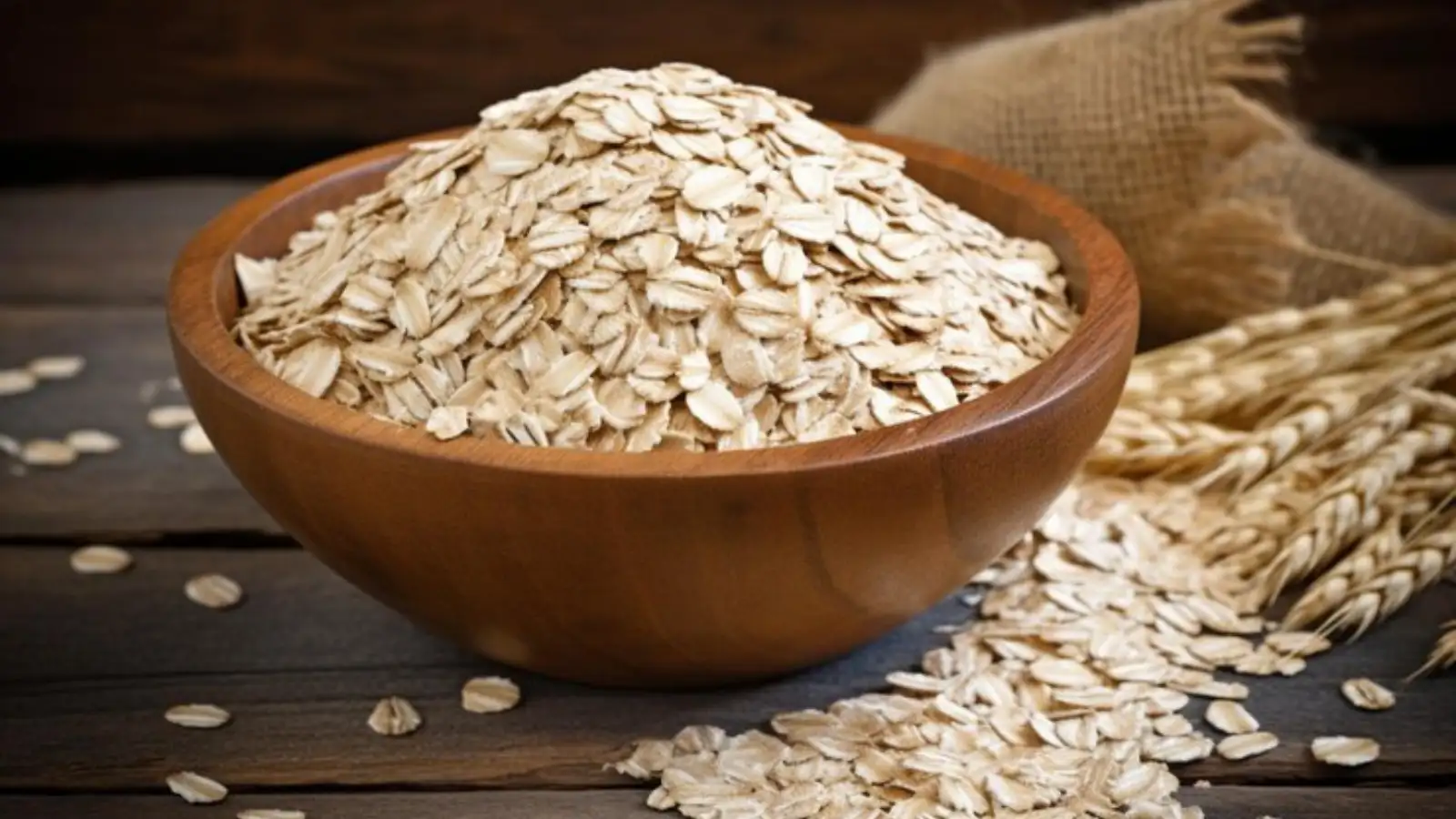
Why Oats Are a Healthy Pick (For Most)
Nutrient-Rich Powerhouse
Oats deliver a solid dose of fibre, protein, magnesium, iron, and zinc. They’re also rich in antioxidants like avenanthramides, known for their anti-inflammatory effects.
Good for the Heart
Thanks to beta-glucan - a soluble fibre - oats help lower cholesterol levels, reducing the risk of heart disease.
Aids Digestion
Their fibre content keeps things moving in your digestive system, supporting regularity and gut health.
Balances Blood Sugar
With a low glycemic index, oats help maintain steady blood sugar levels, which is especially helpful for diabetics.
Keeps You Fuller for Longer
Oats are high in fibre and protein, making them a great option for those looking to manage weight by curbing hunger.
Who Should Steer Clear of Oats
1. People with Celiac Disease or Gluten Sensitivity
Although oats are naturally gluten-free, they’re often processed alongside wheat, barley, or rye - leading to potential cross-contamination. Even certified gluten-free oats contain avenin, a protein that may trigger symptoms in sensitive individuals.
2. Those Living with IBS
The fibre in oats can be hard to tolerate for people with Irritable Bowel Syndrome. Bloating, gas, and discomfort are common complaints after eating them.
3. Individuals Allergic to Oats
Though rare, oat allergies can cause reactions ranging from skin irritation and digestive issues to respiratory symptoms. These individuals should avoid oats entirely.
4. Anyone on a Grain-Free Diet
For those following paleo or grain-free plans, oats are off the menu. Always check with a dietitian if you’re unsure what fits within your plan.
5. People with Certain Mineral Deficiencies
Oats contain phytates - compounds that can interfere with the absorption of minerals like iron, calcium, and zinc. If you’re already low on these nutrients, excessive oat intake might make matters worse.
Oats are undeniably nutritious, but they’re not a one-size-fits-all food. If you have specific health conditions or dietary restrictions, it’s wise to consult a healthcare expert before making oats a daily habit. Sometimes, even a superfood needs to be eaten with caution.
Why Oats Are a Healthy Pick (For Most)
Nutrient-Rich Powerhouse
Oats deliver a solid dose of fibre, protein, magnesium, iron, and zinc. They’re also rich in antioxidants like avenanthramides, known for their anti-inflammatory effects. Good for the Heart
Thanks to beta-glucan - a soluble fibre - oats help lower cholesterol levels, reducing the risk of heart disease.Aids Digestion
Their fibre content keeps things moving in your digestive system, supporting regularity and gut health. Balances Blood Sugar
With a low glycemic index, oats help maintain steady blood sugar levels, which is especially helpful for diabetics.Keeps You Fuller for Longer
Oats are high in fibre and protein, making them a great option for those looking to manage weight by curbing hunger. Who Should Steer Clear of Oats
1. People with Celiac Disease or Gluten Sensitivity
Although oats are naturally gluten-free, they’re often processed alongside wheat, barley, or rye - leading to potential cross-contamination. Even certified gluten-free oats contain avenin, a protein that may trigger symptoms in sensitive individuals. 2. Those Living with IBS
The fibre in oats can be hard to tolerate for people with Irritable Bowel Syndrome. Bloating, gas, and discomfort are common complaints after eating them. 3. Individuals Allergic to Oats
Though rare, oat allergies can cause reactions ranging from skin irritation and digestive issues to respiratory symptoms. These individuals should avoid oats entirely.4. Anyone on a Grain-Free Diet
For those following paleo or grain-free plans, oats are off the menu. Always check with a dietitian if you’re unsure what fits within your plan. 5. People with Certain Mineral Deficiencies
Oats contain phytates - compounds that can interfere with the absorption of minerals like iron, calcium, and zinc. If you’re already low on these nutrients, excessive oat intake might make matters worse. Oats are undeniably nutritious, but they’re not a one-size-fits-all food. If you have specific health conditions or dietary restrictions, it’s wise to consult a healthcare expert before making oats a daily habit. Sometimes, even a superfood needs to be eaten with caution.
Next Story