
Colaba: The Old Woman’s Island That Shaped Mumbai’s Identity

When exploring the rich history of Mumbai, few places capture its layered past as vividly as Colaba. Often referred to as Old Woman’s Island, Colaba was once a separate landmass and one of the seven islands that eventually merged to form present-day Mumbai. The origin of its curious nickname remains debated, but historians suggest it may have been derived from Portuguese influences or local legends tied to the island’s early inhabitants.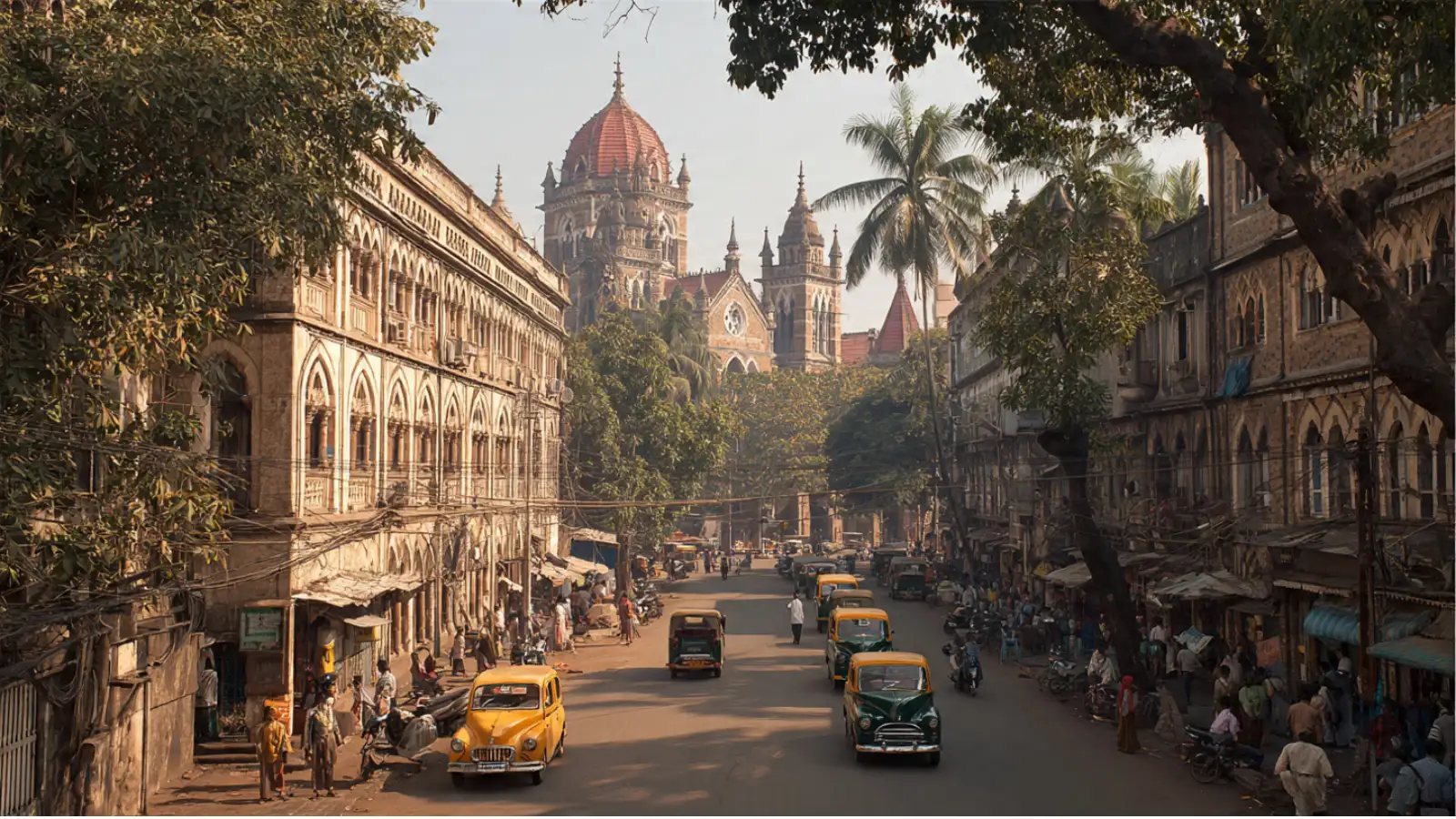
In the early colonial era, Colaba existed as a relatively isolated strip of land, separated from the main Bombay Island by tidal waters. This geographical separation limited its development initially. However, its strategic coastal position made it significant for maritime activities, especially during British rule. The transformation of Colaba began in earnest with the construction of the Colaba Causeway in 1838, a landmark engineering project that connected the island to the rest of Mumbai. This development not only improved accessibility but also opened the doors for urban expansion.
The history of Old Woman’s Island Mumbai is deeply intertwined with the colonial ambitions of the British Empire. As trade flourished in Bombay, Colaba evolved into a key military and administrative zone. The British established cantonments and naval facilities here, reinforcing its importance in safeguarding maritime routes. Even today, remnants of this era can be seen in the architecture and layout of the area.
Over time, Colaba transitioned from a colonial outpost to one of the most vibrant neighbourhoods in Mumbai. Its streets are lined with iconic landmarks, including heritage buildings, art galleries, and bustling markets. The legacy of the seven islands of Mumbai history is particularly evident here, where old-world charm coexists with modern urban life.
One cannot discuss Colaba without mentioning its cultural significance. The area has long been a melting pot of communities, attracting artists, writers, and travellers. Its proximity to the Arabian Sea adds to its allure, offering scenic views and a distinct coastal character. Today, Colaba is synonymous with tourism, shopping, and culinary experiences, making it one of the most visited parts of the city.
Despite rapid urbanisation, efforts have been made to preserve Colaba’s historical essence. Conservation projects and heritage walks aim to educate both locals and visitors about its past. The story of Old Woman’s Island Mumbai is not merely about geographical transformation but also about cultural evolution.
Colaba stands as a testament to Mumbai’s journey from a cluster of islands to a bustling metropolis. Its identity as Old Woman’s Island serves as a reminder of the city’s origins and the enduring impact of history on its present. For anyone interested in Mumbai history Colaba offers an engaging glimpse into the past while remaining firmly rooted in the present.
In the early colonial era, Colaba existed as a relatively isolated strip of land, separated from the main Bombay Island by tidal waters. This geographical separation limited its development initially. However, its strategic coastal position made it significant for maritime activities, especially during British rule. The transformation of Colaba began in earnest with the construction of the Colaba Causeway in 1838, a landmark engineering project that connected the island to the rest of Mumbai. This development not only improved accessibility but also opened the doors for urban expansion.
The history of Old Woman’s Island Mumbai is deeply intertwined with the colonial ambitions of the British Empire. As trade flourished in Bombay, Colaba evolved into a key military and administrative zone. The British established cantonments and naval facilities here, reinforcing its importance in safeguarding maritime routes. Even today, remnants of this era can be seen in the architecture and layout of the area.
Over time, Colaba transitioned from a colonial outpost to one of the most vibrant neighbourhoods in Mumbai. Its streets are lined with iconic landmarks, including heritage buildings, art galleries, and bustling markets. The legacy of the seven islands of Mumbai history is particularly evident here, where old-world charm coexists with modern urban life.
One cannot discuss Colaba without mentioning its cultural significance. The area has long been a melting pot of communities, attracting artists, writers, and travellers. Its proximity to the Arabian Sea adds to its allure, offering scenic views and a distinct coastal character. Today, Colaba is synonymous with tourism, shopping, and culinary experiences, making it one of the most visited parts of the city.
Despite rapid urbanisation, efforts have been made to preserve Colaba’s historical essence. Conservation projects and heritage walks aim to educate both locals and visitors about its past. The story of Old Woman’s Island Mumbai is not merely about geographical transformation but also about cultural evolution.
Colaba stands as a testament to Mumbai’s journey from a cluster of islands to a bustling metropolis. Its identity as Old Woman’s Island serves as a reminder of the city’s origins and the enduring impact of history on its present. For anyone interested in Mumbai history Colaba offers an engaging glimpse into the past while remaining firmly rooted in the present.
Next Story