
One Gathering, One Truth: What 75 Years of Chinmaya Teach Us About Oneness


A quiet question every long journey eventually asks the traveller: what did you carry, and what did you leave behind? For 75 years, the Chinmaya Movement has carried a single idea across mountains, cities and oceans: that the wisdom of the Upanishads is not meant to stay in dusty books or distant caves. It belongs in the kitchen, classroom, office and heart of an ordinary person trying to live well.
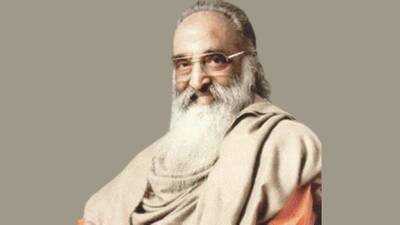
This October, at Bharat Mandapam in New Delhi, that journey paused to take stock. Over three days, more than 9,000 seekers from India and abroad gathered for the Chinmaya Amrit Mahotsav Global Sammelan, the culmination of a year-long celebration of Pujya Gurudev Swami Chinmayananda 's legacy.
The PilgrimageBefore the Sammelan came the Chinmaya Amrit Yatra. Beginning at Chinmaya Vibhooti in Pune on December 31, 2025, it travelled nearly 40,000 kilometres over 300 days through India, Nepal and Sri Lanka, carrying Gurudev’s teachings, his sacred belongings and archival material to communities along the way.
There is something instructive in that. Wisdom, like a lamp, is not diminished by being passed from hand to hand. It travels, and wherever it rests, prayer, learning and service quietly take root.
Many Doors to the Same TruthThe Sammelan offered no single path. It offered many doors. Swami Tejomayananda led discourses on the Bhagwad Gita. Swami Swaroopananda , global head, Chinmaya Mission , spoke on the Upanishads and guided the gathering in meditation. Children had their own spaces in Shishu Vihar and Bala Vihar, because a tradition that forgets its youngest seekers has already begun to fade.
There was music too, with a concert by Grammy-winning musician Ricky Kej and The Chinmaya Musical – The Awakening, which told Gurudev’s life through song, dance and story. Not everyone arrives at truth through argument. Some arrive through a melody that bypasses the mind and settles in the heart.
The exhibition Chinmaya Amrit Ganga traced the Mission’s journey visually, while a HoloBot let visitors engage with Gurudev’s teachings through technology. Ancient wisdom met modern tools, a reminder that the form may change while the essence stays untouched.
The Idea Of NondualityOn the concluding day, External Affairs Minister S Jaishankar and UN Resident Coordinator in India Stefan Priesner joined the discussions on nondualism and its relevance to global understanding . Around 80 ambassadors were also present.
Jaishankar observed that what draws people together across generations and geographies is a shared belief in something larger than the individual. Nondualism, he said, reminds us that existence is indivisible and our well-being deeply interconnected. The same holds for nations: peace and prosperity cannot be pursued in isolation. This, he noted, is the spirit of Vasudhaiva Kutumbakam, the world as one family.
This is where the Vedantic insight becomes practical. If there is no true ‘other,’ then cooperation is not a favour we do each other. It is simply the recognition of what already is.
Carrying The Flame ForwardPrime Minister Narendra Modi inaugurated the gathering on October 23, commending the Mission’s efforts to bring Gurudev’s teachings to younger generations and speaking of the role of yuva shakti in nation-building. The Sammelan closed with a valedictory programme and a Bhakti Sandhya led by Pujya Swami Tejomayananda.
Pujya Swami Swaroopananda spoke of a renewed commitment to share this wisdom with more people, especially the young, and to put it into action through service and compassion.
That last phrase matters most. Seventy-five years is a milestone, but Vedanta was never meant to be admired from a distance. A discourse ends, a hall empties, and the lights go out. What remains is the question of whether the teaching has changed the way we speak to a stranger, handle a disagreement, or give without counting.
Perhaps that is the true measure of any celebration of wisdom: not how many gathered, but how differently they walk home.
Next Story