
One Minute Plank a Day: How This Simple Exercise Boosts Core Strength and Health

Many people believe that achieving fitness and good health requires long, intense workouts. But experts suggest that even a small, consistent effort can make a big difference. One such exercise is the plank. Can one minute of plank a day improve your health? According to fitness professionals, it absolutely can - helping strengthen your core, enhance posture, and reduce back pain - all without any equipment.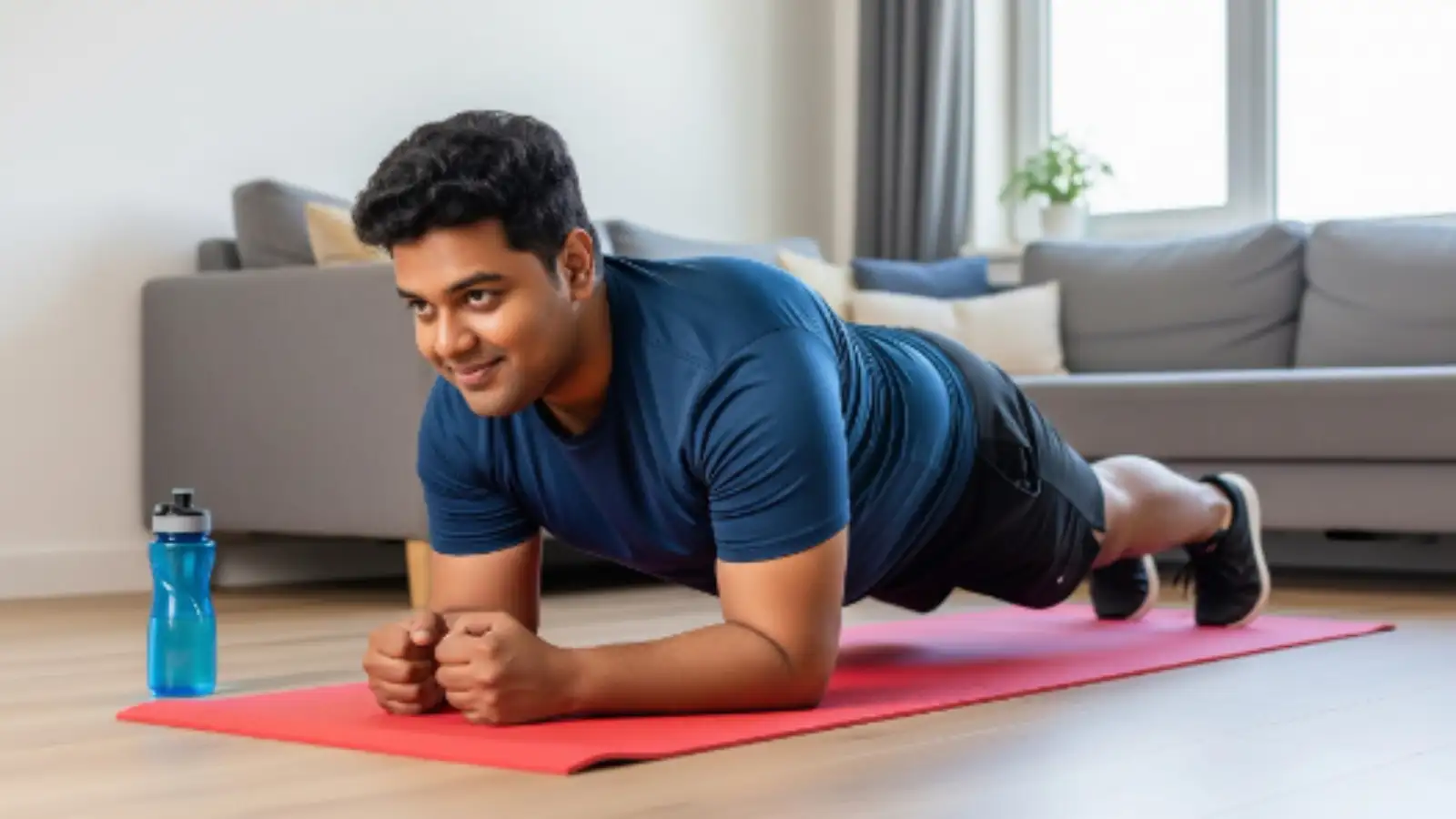
Why Core Strength Matters More Than You Think
While weight loss and muscle building often take the spotlight, core strength is often overlooked. The core, made up of deep abdominal and back muscles, supports the spine, pelvis, and internal organs. Weak core muscles can lead to:
Modern lifestyles - long hours of sitting, shallow breathing, and stress - further weaken core muscles. Strengthening your core improves balance, stability, and overall physical health.
How the Plank Strengthens Your Core
The plank is a simple yet highly effective exercise that engages multiple deep muscles simultaneously. Practicing it daily can help:
With a stronger core, routine activities like standing, walking, or bending become much easier.
Best Time to Do the Plank
One of the benefits of planking is flexibility - you can do it anytime during the day. Some suggestions include:
Consistency matters more than timing. Even just 60 seconds daily can produce noticeable results.
How Long Should You Hold a Plank?
Plank duration depends on your fitness level:
Fitness expert Neha Ranglani stresses that maintaining correct posture is far more important than holding the plank for a longer time.
Different Types of Plank Exercises
Beginners can start with the basic forearm plank. As strength improves, variations can be added:
Consistency beats variety. You don’t need multiple variations - doing the plank correctly every day is key.
Common Plank Mistakes to Avoid
Incorrect plank form can reduce benefits and even cause injury. Watch out for:
Tips for Correct Form:
Maintaining proper posture protects your back and ensures maximum benefit.
Who Should Avoid Planks?
Planks are safe for most people, but some should seek expert advice first:
Although it seems simple, the plank is a powerhouse exercise for improving core strength and overall health. Just one minute a day can improve posture, reduce back pain, and enhance body stability. The secret lies in daily practice and perfect form - proving that sometimes, less really is more.
Why Core Strength Matters More Than You Think
While weight loss and muscle building often take the spotlight, core strength is often overlooked. The core, made up of deep abdominal and back muscles, supports the spine, pelvis, and internal organs. Weak core muscles can lead to:
- Poor posture
- Lower back pain
- Increased belly fat
- Difficulty with everyday movements
Modern lifestyles - long hours of sitting, shallow breathing, and stress - further weaken core muscles. Strengthening your core improves balance, stability, and overall physical health.
How the Plank Strengthens Your Core
The plank is a simple yet highly effective exercise that engages multiple deep muscles simultaneously. Practicing it daily can help:
- Support the spine
- Reduce lower back pain
- Improve posture
- Enhance balance and stability
- Boost energy and metabolism
With a stronger core, routine activities like standing, walking, or bending become much easier.
Best Time to Do the Plank
One of the benefits of planking is flexibility - you can do it anytime during the day. Some suggestions include:
- Early morning, before starting your day
- During work breaks between meetings
- Before your main workout
- In the evening, before dinner
Consistency matters more than timing. Even just 60 seconds daily can produce noticeable results.
How Long Should You Hold a Plank?
Plank duration depends on your fitness level:
- Beginner: 30 seconds × 2 rounds
- Intermediate: 40–60 seconds × 3 rounds
- Advanced: 60–90 seconds × 3 rounds
Fitness expert Neha Ranglani stresses that maintaining correct posture is far more important than holding the plank for a longer time.
Different Types of Plank Exercises
Beginners can start with the basic forearm plank. As strength improves, variations can be added:
- Forearm Plank – Standard version for overall core strength
- High Plank – Arms straight, similar to a push-up position
- Side Plank – Focuses on side core muscles
Consistency beats variety. You don’t need multiple variations - doing the plank correctly every day is key.
Common Plank Mistakes to Avoid
Incorrect plank form can reduce benefits and even cause injury. Watch out for:
- Hips sagging or sinking
- Holding your breath
- Dropping the neck
- Arching the lower back
- Shrugging shoulders
Tips for Correct Form:
- Tighten your core and squeeze glutes
- Keep your body in a straight line
- Breathe slowly and steadily
Maintaining proper posture protects your back and ensures maximum benefit.
Who Should Avoid Planks?
Planks are safe for most people, but some should seek expert advice first:
- Severe lower back injuries
- Recent abdominal surgery
- Uncontrolled high blood pressure
- Women in the postpartum period
Although it seems simple, the plank is a powerhouse exercise for improving core strength and overall health. Just one minute a day can improve posture, reduce back pain, and enhance body stability. The secret lies in daily practice and perfect form - proving that sometimes, less really is more.
Next Story