
Orchid Care 101: Secrets to Year-Round Blooms at Home

Orchids are one of the most elegant and exotic plants you can bring into your home. Their intricate flowers and long-lasting beauty make them a favorite among plant lovers. But while they may look high-maintenance, orchids are easier to care for than you think-if you follow the right steps. Here’s your Orchid Care 101 guide to help you unlock the secret to year-round blooms at home.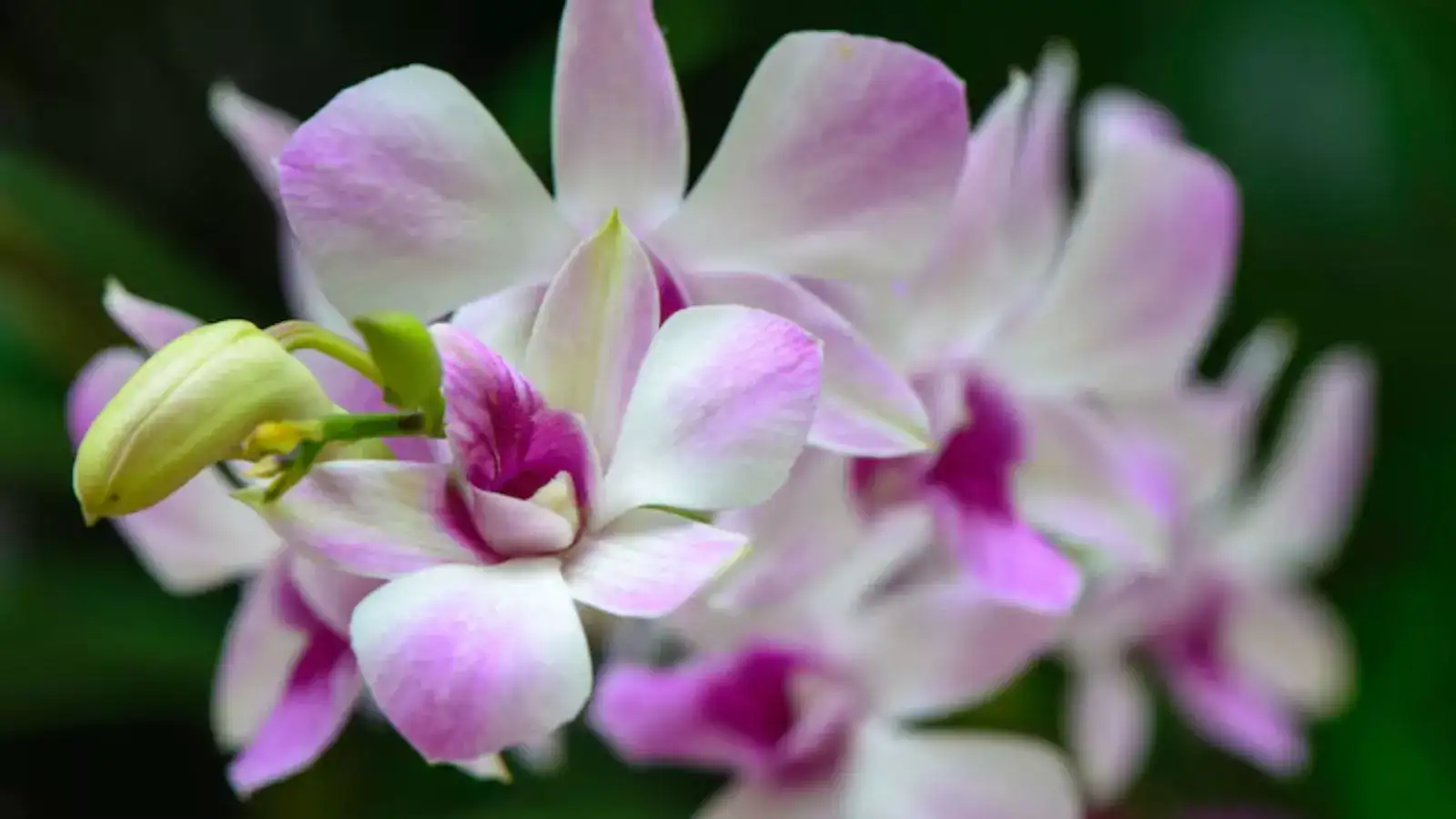
2. Light: Bright but Indirect
Orchids need light to bloom-but not harsh sunlight. Place your plant near an east-facing window or behind a sheer curtain. Leaves should be a healthy medium green. Too dark? No blooms. Too much sun? Scorched leaves.
3. Water Wisely
Overwatering is the most common mistake. Water once a week-or when the potting mix feels dry. Always allow water to drain completely. Never let the roots sit in standing water, or they’ll rot.
4. Humidity is a Must
Orchids love a humid environment-50-70% humidity is ideal. Place a humidity tray under the pot, mist the leaves regularly, or run a small room humidifier to keep conditions orchid-friendly.
5. Temperature Control
Maintain daytime temperatures between 20-29°C (68-85°F) and slightly cooler nights. A drop of 5-10 degrees at night encourages flower spikes to form. Avoid cold drafts and direct heat sources.
6. Feed for More Flowers
Use a balanced orchid fertilizer (like 20-20-20) every two weeks during active growth periods. When orchids are resting (not blooming), reduce feeding to once a month or pause completely.
7. Repot Every 1–2 Years
As the orchid grows, its roots can get crowded or the potting medium may break down. Repot after the blooming cycle, using fresh orchid mix (bark, perlite, charcoal). This gives roots breathing room and encourages new growth.
8. Prune After Blooming
Once the blooms fall off, you can trim the flower spike just above the nearest node to encourage another bloom. If the spike turns brown, cut it at the base to conserve the plant’s energy.
9. Don’t Panic During Dormancy
Orchids naturally go through resting phases between blooms. Keep up with your care routine and resist the urge to overwater or fertilize. With time and patience, they’ll bloom again.
10. Watch for Pests and Diseases
Keep an eye out for mealybugs, spider mites, or fungal issues. Wipe leaves with a damp cloth, use insecticidal soap if needed, and make sure your plant gets plenty of airflow.
Orchid care isn’t about perfection-it’s about consistency. With the right mix of light, water, humidity, and a little patience, your orchids will reward you with spectacular blooms throughout the year. Once you crack their rhythm, you’ll never look at houseplants the same way again.
1. Pick the Right Orchid
Start with beginner-friendly varieties like Phalaenopsis (moth orchids). They’re readily available, adapt well to indoor environments, and can bloom for several months with the right care.2. Light: Bright but Indirect
Orchids need light to bloom-but not harsh sunlight. Place your plant near an east-facing window or behind a sheer curtain. Leaves should be a healthy medium green. Too dark? No blooms. Too much sun? Scorched leaves.3. Water Wisely
Overwatering is the most common mistake. Water once a week-or when the potting mix feels dry. Always allow water to drain completely. Never let the roots sit in standing water, or they’ll rot. 4. Humidity is a Must
Orchids love a humid environment-50-70% humidity is ideal. Place a humidity tray under the pot, mist the leaves regularly, or run a small room humidifier to keep conditions orchid-friendly.You may also like
- Oats and green vegetables help in weight loss by controlling appetite
- What Happens When You Eat 1 Pomegranate Daily, 6 Powerful Health Benefits
- Taking Medicines After Drinking Alcohol, Top Doctors Warn of Deadly Liver and Heart Risks
- Can Protein Shakes Alone Build Muscle, Bust Superfood Myths and Expensive Fitness Fads
- This country is paying people to read books for 15 minutes: Here's how the scheme works and why it was launched
5. Temperature Control
Maintain daytime temperatures between 20-29°C (68-85°F) and slightly cooler nights. A drop of 5-10 degrees at night encourages flower spikes to form. Avoid cold drafts and direct heat sources. 6. Feed for More Flowers
Use a balanced orchid fertilizer (like 20-20-20) every two weeks during active growth periods. When orchids are resting (not blooming), reduce feeding to once a month or pause completely. 7. Repot Every 1–2 Years
As the orchid grows, its roots can get crowded or the potting medium may break down. Repot after the blooming cycle, using fresh orchid mix (bark, perlite, charcoal). This gives roots breathing room and encourages new growth. 8. Prune After Blooming
Once the blooms fall off, you can trim the flower spike just above the nearest node to encourage another bloom. If the spike turns brown, cut it at the base to conserve the plant’s energy.9. Don’t Panic During Dormancy
Orchids naturally go through resting phases between blooms. Keep up with your care routine and resist the urge to overwater or fertilize. With time and patience, they’ll bloom again. 10. Watch for Pests and Diseases
Keep an eye out for mealybugs, spider mites, or fungal issues. Wipe leaves with a damp cloth, use insecticidal soap if needed, and make sure your plant gets plenty of airflow. Orchid care isn’t about perfection-it’s about consistency. With the right mix of light, water, humidity, and a little patience, your orchids will reward you with spectacular blooms throughout the year. Once you crack their rhythm, you’ll never look at houseplants the same way again.






Loving Newspoint? Download the app now
