
Parenting In India vs The Netherlands: Dutch Mother Reveals 7 Surprising Cultural Differences, Says ‘Safety Means Supervision In India, Independence In The Netherlands'

Ivana, a Dutch mother living in Mumbai for nearly nine years, has opened up about the striking differences she has noticed while raising her child in India. Celebrating her daughter’s second birthday prompted her to reflect on how parenting in India contrasts sharply with life in the Netherlands.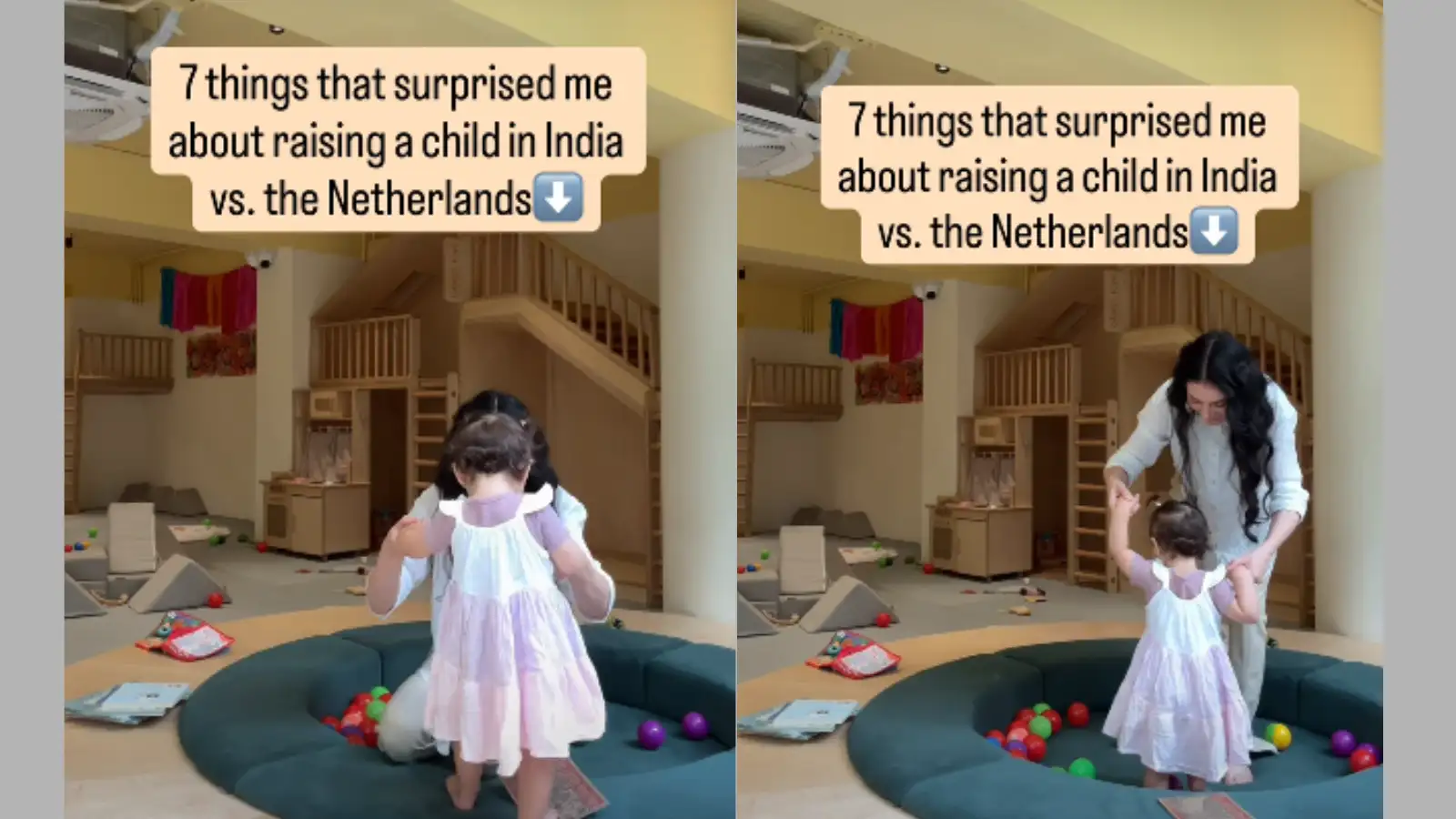
Rather than judging one approach as “better” or “worse,” Ivana believes it is more valuable to understand the trade-offs that come with different parenting styles. Many aspects of parenting in India initially surprised her.
1. Strong Sense of Community Support
One major difference is the strong sense of community. In the Netherlands, parenting is often a more independent journey, while in Mumbai, family and neighbours are always ready to help, watch over children, or simply spend time with them. Adjusting to this collective approach took some time, especially given her independent Dutch upbringing.
4. Multilingual Environment Benefits
Ivana also appreciates India’s multilingual environment. Her daughter regularly hears Dutch, English, and Hindi, with Hindi as her primary language enriched by Dutch, Punjabi, and Bengali. She sees this as an invaluable experience for her child’s growth.
5. Different Approaches to Safety
Safety is viewed differently as well. In Amsterdam, safety often means granting children independence, while in Mumbai it is linked to closer supervision and limited freedom.
6. Early Academic Pressure
Another notable difference is academic pressure. In India, it begins early, unlike the play-focused early childhood approach common in the Netherlands.
7. Domestic Help and Parenting Support
Ivana also values domestic help, which allows her to spend quality time with her daughter, something that might have been different in the Netherlands where daycare starts earlier.
Reflecting on her journey, Ivana admits that parenting in Mumbai felt overwhelming at first, but connecting with other parents, especially fellow Dutch mothers, helped her adjust. Growing up in the Netherlands without strong family support, she finds it deeply emotional and fulfilling to see her daughter grow surrounded by love and community.
Disclaimer: This article reflects the personal experiences shared by an individual on social media. The views expressed are solely their own, and Newspoint has not independently verified the authenticity of the claims.
Thumb Image: Instagram
Rather than judging one approach as “better” or “worse,” Ivana believes it is more valuable to understand the trade-offs that come with different parenting styles. Many aspects of parenting in India initially surprised her.
1. Strong Sense of Community Support
One major difference is the strong sense of community. In the Netherlands, parenting is often a more independent journey, while in Mumbai, family and neighbours are always ready to help, watch over children, or simply spend time with them. Adjusting to this collective approach took some time, especially given her independent Dutch upbringing.You may also like
- Life's ultimate exam
- PM Narendra Modi to inaugurate Noida International Airport on March 28, 2026: What this means for Delhi-NCR travellers
- Why Indian Skin Faces More Dark Spots in Summer
- Are You Drinking Enough Water for Glowing Skin For Women ?
- 4 Hidden Facial Mistakes That Are Blocking Your Natural Glow
4. Multilingual Environment Benefits
Ivana also appreciates India’s multilingual environment. Her daughter regularly hears Dutch, English, and Hindi, with Hindi as her primary language enriched by Dutch, Punjabi, and Bengali. She sees this as an invaluable experience for her child’s growth. 5. Different Approaches to Safety
Safety is viewed differently as well. In Amsterdam, safety often means granting children independence, while in Mumbai it is linked to closer supervision and limited freedom. 6. Early Academic Pressure
Another notable difference is academic pressure. In India, it begins early, unlike the play-focused early childhood approach common in the Netherlands. 7. Domestic Help and Parenting Support
Ivana also values domestic help, which allows her to spend quality time with her daughter, something that might have been different in the Netherlands where daycare starts earlier.Reflecting on her journey, Ivana admits that parenting in Mumbai felt overwhelming at first, but connecting with other parents, especially fellow Dutch mothers, helped her adjust. Growing up in the Netherlands without strong family support, she finds it deeply emotional and fulfilling to see her daughter grow surrounded by love and community.
Disclaimer: This article reflects the personal experiences shared by an individual on social media. The views expressed are solely their own, and Newspoint has not independently verified the authenticity of the claims.
Thumb Image: Instagram






More from our partners


Loving Newspoint? Download the app now
