
PCOS vs PCOD: Understanding the Crucial Differences Every Woman Must Know for Better Hormonal Health


Navigating women's health terminology often leads to widespread confusion, particularly when it comes to hormonal imbalances. Many individuals use the terms PCOS and PCOD interchangeably, assuming they describe the exact same medical condition. However, hormonal health experts emphasize that while the physical manifestations and symptoms can overlap significantly, these two conditions affect the human body in fundamentally different ways and require distinct management strategies.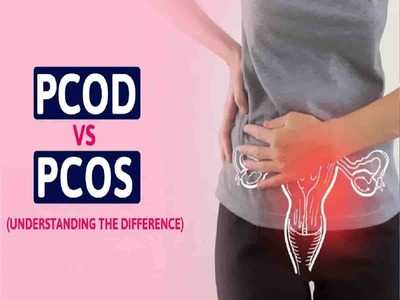 According to Tamanna Singh, founder of Menoveda and a noted menopause and hormonal health coach, recognizing this critical distinction empowers women to approach their symptoms, accurate diagnosis, and long-term well-being with the seriousness it demands.What Is PCOD and How Does It Affect the Body?Polycystic Ovarian Disease (PCOD) occurs when a woman's ovaries release immature or partially mature eggs that eventually accumulate and form small fluid-filled cysts.PCOD is a relatively common endocrine disorder and is generally classified as a milder condition. In most cases, women diagnosed with PCOD can still conceive naturally, and their symptoms can be effectively managed or reversed through targeted dietary adjustments, weight management, and consistent lifestyle modifications.Understanding PCOS: A Complex Metabolic and Hormonal DisorderIn contrast, Polycystic Ovary Syndrome (PCOS) is a far more complex metabolic and endocrine syndrome that impacts the entire body, extending well beyond the reproductive system.PCOS is defined by elevated levels of male hormones (androgens) alongside significant insulin resistance. These underlying metabolic factors place women with PCOS at a substantially greater long-term risk of developing serious health complications, such as type 2 diabetes and cardiovascular disease, necessitating a more comprehensive medical approach.Why Do PCOS and PCOD Get Confused So Often?The widespread confusion between the two conditions is understandable, primarily because their visible symptoms frequently overlap.Women dealing with either disorder may experience irregular menstrual cycles, stubborn acne, unexplained weight fluctuations, unwanted facial or body hair growth, and scalp hair thinning. Because these physical markers look identical on the surface, people tend to treat the terms as synonyms without realizing the internal metabolic differences.Why an Ultrasound Alone Cannot Confirm a PCOS DiagnosisA common misconception in clinical settings is that finding cysts on an ultrasound scan immediately confirms a PCOS diagnosis.Experts caution that an ultrasound should never be used as a standalone diagnostic tool. An accurate and comprehensive diagnosis requires a multi-faceted evaluation conducted by a qualified physician, encompassing detailed ultrasound scans, thorough hormone blood work, and a complete medical review of menstrual history. Finding ovarian cysts alone does not automatically equate to having full-blown PCOS.Tailored Management Strategies: Lifestyle Tweaks Versus Holistic Medical CareBecause the physiological underpinnings differ, the management and treatment protocols for PCOD and PCOS are distinct.PCOD can frequently be brought under control through disciplined lifestyle modifications, regular exercise, and healthy eating habits. Conversely, PCOS demands a much more holistic treatment plan tailored to an individual's specific needs, which often combines lifestyle changes with targeted medical interventions to regulate hormones and counteract insulin resistance. Health experts strongly advise women to consult their doctors directly to clarify their exact diagnosis rather than assuming the terms are interchangeable, ensuring they manage their metabolic health effectively for the long term.
Next Story