
Peanuts Or Almonds For Weight Loss: Nutritional Comparison

Nuts are a staple for anyone seeking a healthy diet, especially for weight management. Crunchy, nutrient-rich, and versatile, they make for perfect snacks. Among the most popular choices in India, peanuts and almonds often spark debate: which one truly supports weight loss ? While almonds are commonly praised, peanuts hold their own when it comes to protein and affordability. Let’s break down the key differences so you can choose wisely.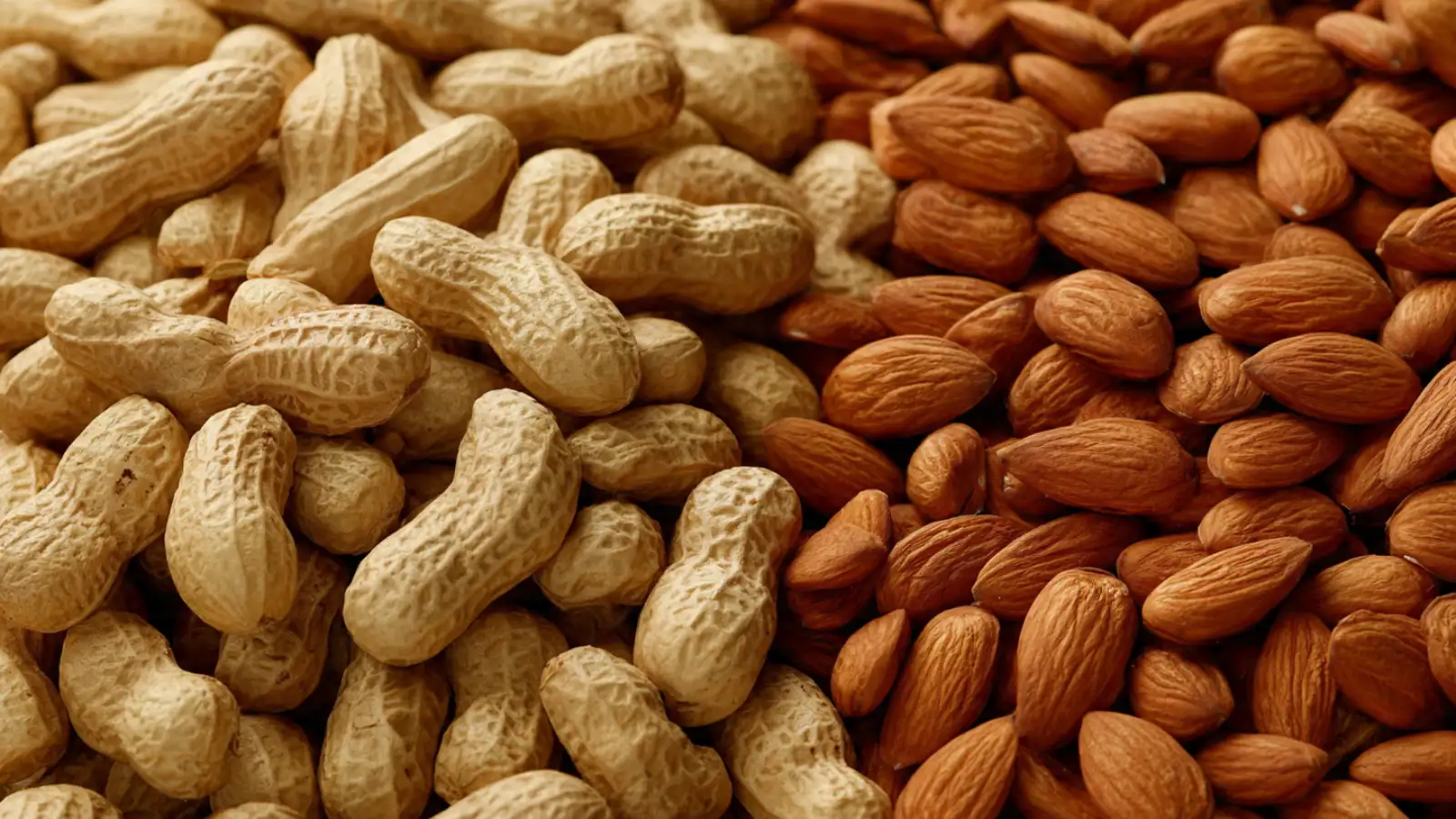
Peanuts: Protein-Packed and Budget-Friendly
Peanuts are a powerhouse of protein, offering 23.2 grams per 100 grams, according to the USDA. This high protein content helps in muscle repair and keeps you full for longer, reducing unnecessary snacking. They are also nutrient-rich, supplying B vitamins and folate, which aid energy production and enhance workouts. Another advantage is affordability, peanuts are often cheaper than almonds, allowing you to include them more frequently in your diet.
However, peanuts do have slightly higher saturated fat content and calories, so portion control is important. A small handful is sufficient for energy and satiety.
Almonds: Fibre, Antioxidants, and Heart Health
Almonds shine in fibre and antioxidants. Containing 21.4 grams of protein and 10.8 grams of fibre per 100 grams, almonds support digestion, prolong fullness, and help regulate appetite. Rich in vitamin E and monounsaturated fats, they also promote heart health and may reduce inflammation. Soaked, raw, or lightly roasted, almonds are gentle on the digestive system and versatile enough for breakfasts, salads, or smoothies.
The main limitation is cost- almonds are pricier, and excessive consumption can still add significant calories.
Peanuts vs Almonds: Which Should You Choose?
Tips for Smart Nut Snacking
By snacking wisely, peanuts and almonds can both support your weight loss journey while keeping meals interesting and nutritious.
Disclaimer: This article provides general information for educational purposes and is not a substitute for professional medical advice. Always consult a qualified healthcare professional before making changes to your diet.
Peanuts: Protein-Packed and Budget-Friendly
Peanuts are a powerhouse of protein, offering 23.2 grams per 100 grams, according to the USDA. This high protein content helps in muscle repair and keeps you full for longer, reducing unnecessary snacking. They are also nutrient-rich, supplying B vitamins and folate, which aid energy production and enhance workouts. Another advantage is affordability, peanuts are often cheaper than almonds, allowing you to include them more frequently in your diet. However, peanuts do have slightly higher saturated fat content and calories, so portion control is important. A small handful is sufficient for energy and satiety.
You may also like
- What is microcheating in relationships, know its 2 types and which is less harmful?
- Preparing kids for the real world: Money skills every child should have
- Mary L. Trump Critiques Uncle Donald's Leadership Amid Controversies
- Which plants should not be grown near Tulsi and why adding salt could destroy it
- Transform Your Garden with David Domoney's Dream Gardens Spring/Summer Special
Almonds: Fibre, Antioxidants, and Heart Health
Almonds shine in fibre and antioxidants. Containing 21.4 grams of protein and 10.8 grams of fibre per 100 grams, almonds support digestion, prolong fullness, and help regulate appetite. Rich in vitamin E and monounsaturated fats, they also promote heart health and may reduce inflammation. Soaked, raw, or lightly roasted, almonds are gentle on the digestive system and versatile enough for breakfasts, salads, or smoothies. The main limitation is cost- almonds are pricier, and excessive consumption can still add significant calories.
Peanuts vs Almonds: Which Should You Choose?
- Choose peanuts if your priority is protein per rupee and affordable snacking.
- Choose almonds for satiety, fibre, and heart-friendly fats.
Tips for Smart Nut Snacking
- Stick to handful servings (4–5 almonds or a small handful of peanuts).
- Avoid salted or flavoured nuts to minimise extra sodium and sugar.
- Pair nuts with yoghurt, salads, or oats rather than sugary or fried foods.
- Stay hydrated to aid digestion and fibre absorption.
By snacking wisely, peanuts and almonds can both support your weight loss journey while keeping meals interesting and nutritious.
Disclaimer: This article provides general information for educational purposes and is not a substitute for professional medical advice. Always consult a qualified healthcare professional before making changes to your diet.






More from our partners


Loving Newspoint? Download the app now
