
Why Black Pepper Was Once Called Black Gold – Surprising Facts Inside

Black pepper is one of the most loved and widely used spices in the world, but how much do you actually know about it? From being buried with Egyptian royalty to fueling global trade wars, pepper has an incredible history and even more fascinating facts. Let’s explore some surprising secrets about the spice once known as 'Black Gold.'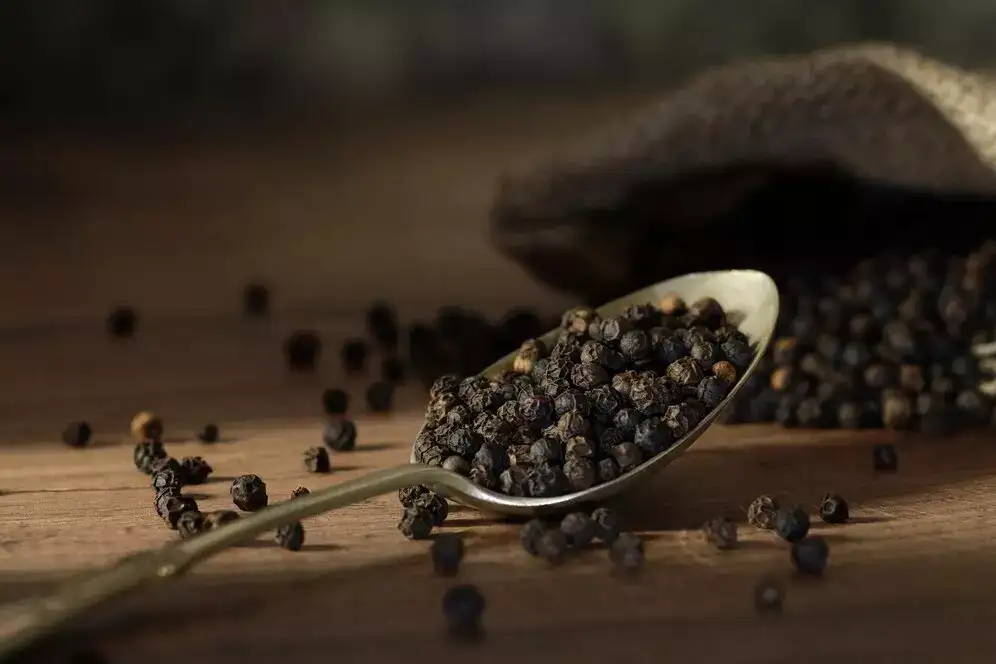
1. A Spice Older Than Civilizations
Black pepper has been used for over 4000 years. In ancient Egypt around 2500 BC, it was considered so valuable that it was placed in graves during burials. In the Middle East, it was once used like gold and traded with high regard.
2. Full of Medicinal Power
Beyond taste, black pepper is loaded with health benefits. It contains Vitamins A and C, and is known to strengthen immunity and detoxify the body. Because its aroma and flavor are so sensitive, black pepper is best stored in an airtight container and freshly ground before use.
3. Black, White – What’s the Difference?
You may not know this, but white pepper is also a version of the same spice, minus the black outer layer. When ground, it doesn't turn dark. Around 70% of global pepper production is black, while 30% is white. Surprisingly, about 50% of black pepper consumption happens in restaurants.
4. Kerala – The Black Pepper Capital
India’s southern state, Kerala, is famous for its pepper cultivation. India, along with Brazil, Indonesia, and Vietnam, dominates the pepper trade. Interestingly, the United States is the largest importer of black pepper in the world.
5. Pepper That Sparked Exploration
Did you know Vasco Da Gama came to India looking for black pepper? The Portuguese, French, Chinese, and British followed, aiming to control the spice trade. Forts and colonies were built, and black pepper was so valuable it even served as currency in Europe.
6. Why Black Pepper Turns Black
After harvesting, black pepper is lightly boiled and then sun-dried. Initially green, the peppercorns turn black during drying — the form we’re most familiar with in kitchens.
From ancient graves to modern gourmet kitchens, black pepper has come a long way. Whether it's spicing up your food or strengthening your body, this mighty spice has earned its title of 'Black Gold.' Next time you season your meal, take a moment to appreciate this timeless gem of flavour.
1. A Spice Older Than Civilizations
Black pepper has been used for over 4000 years. In ancient Egypt around 2500 BC, it was considered so valuable that it was placed in graves during burials. In the Middle East, it was once used like gold and traded with high regard.
2. Full of Medicinal Power
Beyond taste, black pepper is loaded with health benefits. It contains Vitamins A and C, and is known to strengthen immunity and detoxify the body. Because its aroma and flavor are so sensitive, black pepper is best stored in an airtight container and freshly ground before use.
You may also like
- Using Your Phone Before Bed: How Late-Night Scrolling May Affect Sleep
- Sharp Hike in Petrol-Diesel Prices; Burden on Common Man Increases in Neighboring Country
- New passport rules for Indian travellers: Latest validity periods to fees explained for children to senior citizens; what changes if you are under 15, 18 or above
- 'Manage that legacy of yours': Suniel Shetty on why children shouldn't let family businesses go- 'People might call it nepotism, but…'
- At 90, this doctor still starts work at 8 AM and climbs steep hills to treat patients: Why he refuses to retire
3. Black, White – What’s the Difference?
You may not know this, but white pepper is also a version of the same spice, minus the black outer layer. When ground, it doesn't turn dark. Around 70% of global pepper production is black, while 30% is white. Surprisingly, about 50% of black pepper consumption happens in restaurants.
4. Kerala – The Black Pepper Capital
India’s southern state, Kerala, is famous for its pepper cultivation. India, along with Brazil, Indonesia, and Vietnam, dominates the pepper trade. Interestingly, the United States is the largest importer of black pepper in the world.
5. Pepper That Sparked Exploration
Did you know Vasco Da Gama came to India looking for black pepper? The Portuguese, French, Chinese, and British followed, aiming to control the spice trade. Forts and colonies were built, and black pepper was so valuable it even served as currency in Europe.
6. Why Black Pepper Turns Black
After harvesting, black pepper is lightly boiled and then sun-dried. Initially green, the peppercorns turn black during drying — the form we’re most familiar with in kitchens.
From ancient graves to modern gourmet kitchens, black pepper has come a long way. Whether it's spicing up your food or strengthening your body, this mighty spice has earned its title of 'Black Gold.' Next time you season your meal, take a moment to appreciate this timeless gem of flavour.






Loving Newspoint? Download the app now
