
Pet Parrot Facts That Will Help You Become A Better Owner

Parrots are colourful, intelligent, and sociable birds that have become popular companions around the world. However, owning a parrot requires more than admiration for their feathers. These birds need attention, patience, and the right care to thrive. If you're thinking of bringing home a pet parrot, here are some key facts you should know.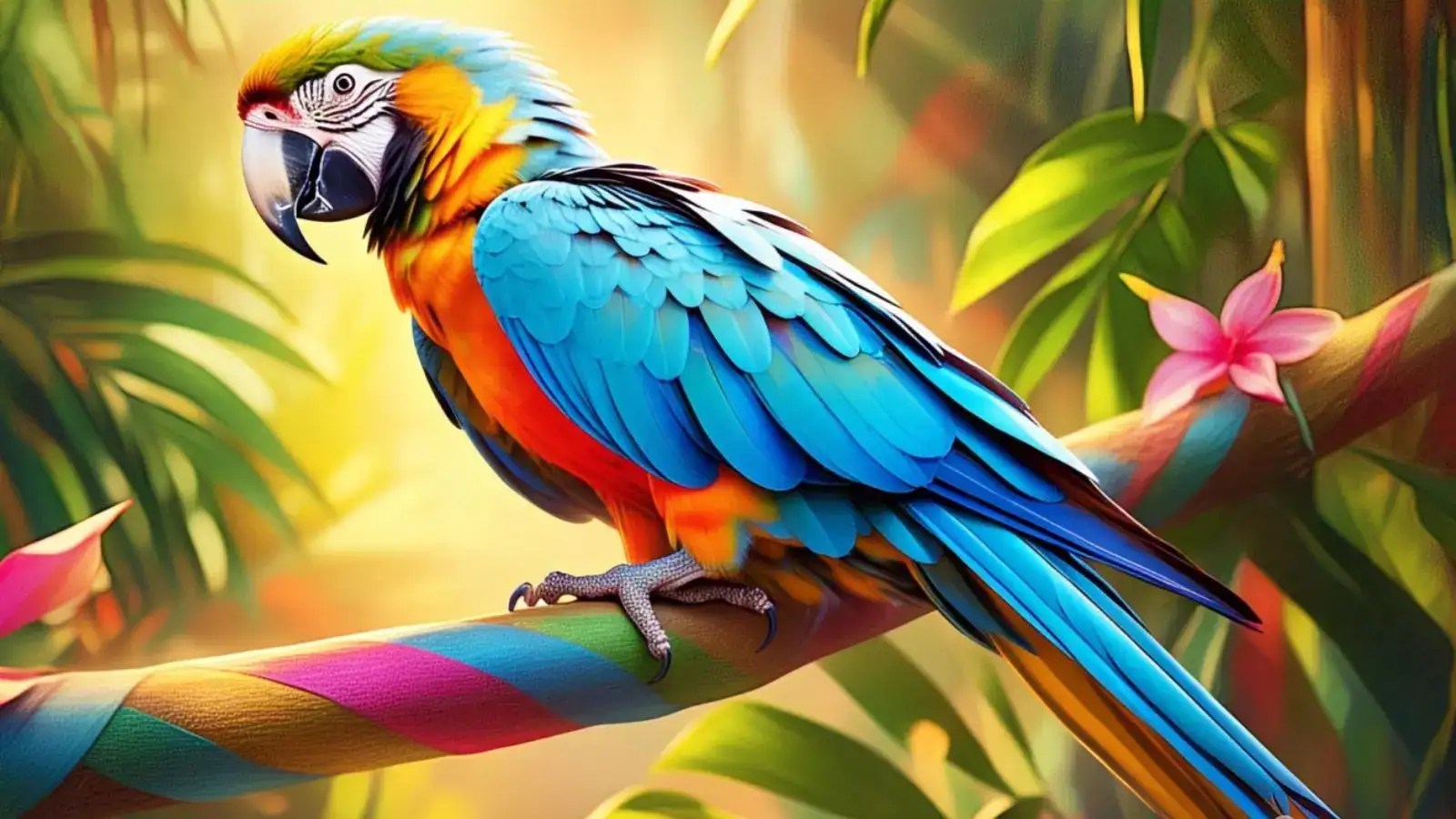
Parrots Are Highly Social Birds
Parrots are not solitary by nature. They are flock animals and need regular social interaction to stay happy. Daily time with their human companions is essential. If left alone for long periods, parrots can become depressed, anxious, or even display destructive behaviours like feather plucking or loud squawking. A lonely parrot is an unhappy parrot.
They Live for Decades
Owning a parrot is a long-term commitment. Depending on the species, parrots can live anywhere from 15 to over 60 years. Smaller parrots, such as budgies and cockatiels, often live 15–20 years, while larger birds like macaws may live well into their 60s or beyond. It’s important to be ready for a lifelong companion.
Parrots Require a Balanced Diet
A healthy diet is essential for a parrot’s well-being. Seeds alone are not enough. Parrots need a varied diet that includes fresh fruits, vegetables, grains, and specially formulated pellets. Fresh, clean drinking water should always be available. An unbalanced diet can lead to serious health problems, including obesity and vitamin deficiencies.
They Can Be Very Noisy
Parrots are known for their vocal nature. Some species can mimic human speech, household sounds, or squawk loudly for attention. This level of noise may not be suitable for everyone, especially in flats or shared housing. Prospective owners should be prepared for potential daily noise, especially in the morning and evening hours.
Mental Stimulation Is a Must
Parrots are extremely intelligent birds and need mental stimulation to prevent boredom. They benefit from toys, puzzles, and training exercises. Some even enjoy learning tricks or talking. Without stimulation, parrots can become frustrated, which often leads to behavioural problems.
They Need Safe and Spacious Housing
A parrot’s cage should be large enough to allow the bird to stretch its wings, climb, and play. The space should be safe, with appropriate perches and toys. Regular out-of-cage time is also essential, giving your parrot the chance to exercise and socialise.
Parrots are beautiful, affectionate, and intelligent pets, but they require proper care and a deep understanding of their needs. From their social nature and long lifespans to their dietary needs and vocal habits, being a parrot owner means making a long-term, daily commitment. With the right preparation, owning a parrot can be a joyful and deeply rewarding experience.
Parrots Are Highly Social Birds
Parrots are not solitary by nature. They are flock animals and need regular social interaction to stay happy. Daily time with their human companions is essential. If left alone for long periods, parrots can become depressed, anxious, or even display destructive behaviours like feather plucking or loud squawking. A lonely parrot is an unhappy parrot.
They Live for Decades
Owning a parrot is a long-term commitment. Depending on the species, parrots can live anywhere from 15 to over 60 years. Smaller parrots, such as budgies and cockatiels, often live 15–20 years, while larger birds like macaws may live well into their 60s or beyond. It’s important to be ready for a lifelong companion.
Parrots Require a Balanced Diet
A healthy diet is essential for a parrot’s well-being. Seeds alone are not enough. Parrots need a varied diet that includes fresh fruits, vegetables, grains, and specially formulated pellets. Fresh, clean drinking water should always be available. An unbalanced diet can lead to serious health problems, including obesity and vitamin deficiencies.
They Can Be Very Noisy
Parrots are known for their vocal nature. Some species can mimic human speech, household sounds, or squawk loudly for attention. This level of noise may not be suitable for everyone, especially in flats or shared housing. Prospective owners should be prepared for potential daily noise, especially in the morning and evening hours.
Mental Stimulation Is a Must
Parrots are extremely intelligent birds and need mental stimulation to prevent boredom. They benefit from toys, puzzles, and training exercises. Some even enjoy learning tricks or talking. Without stimulation, parrots can become frustrated, which often leads to behavioural problems.
They Need Safe and Spacious Housing
A parrot’s cage should be large enough to allow the bird to stretch its wings, climb, and play. The space should be safe, with appropriate perches and toys. Regular out-of-cage time is also essential, giving your parrot the chance to exercise and socialise.
Parrots are beautiful, affectionate, and intelligent pets, but they require proper care and a deep understanding of their needs. From their social nature and long lifespans to their dietary needs and vocal habits, being a parrot owner means making a long-term, daily commitment. With the right preparation, owning a parrot can be a joyful and deeply rewarding experience.
Next Story