
From Ice Caves to Pink Beaches: 10 Places That Look Like Another Planet

Earth is full of landscapes so unusual that they seem to belong in a science-fiction film. From glowing blue ice caves and rainbow-coloured mountains to pink beaches and otherworldly deserts, these places show just how extraordinary our planet can be.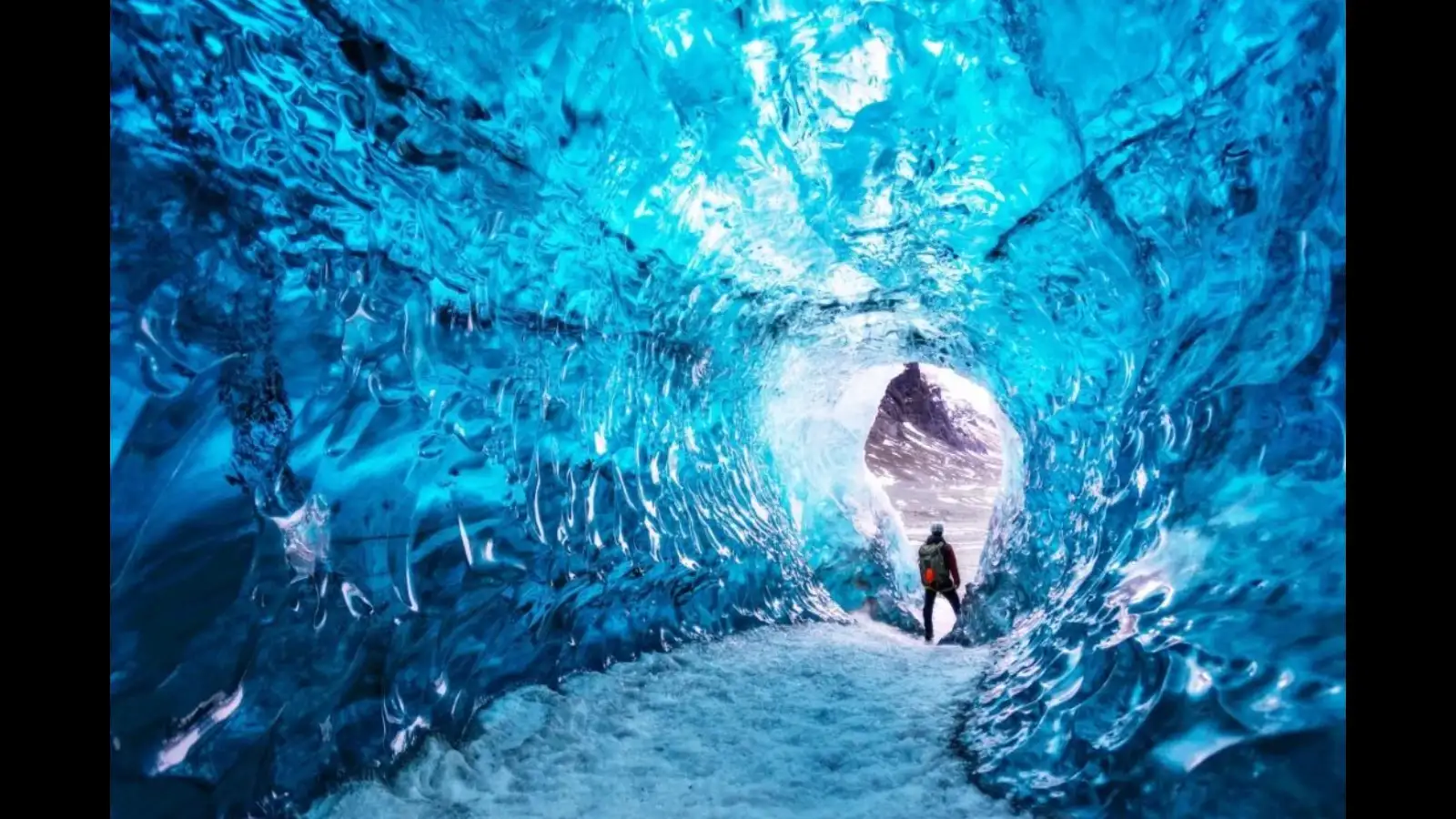
Here are 10 destinations that could easily be mistaken for another world.
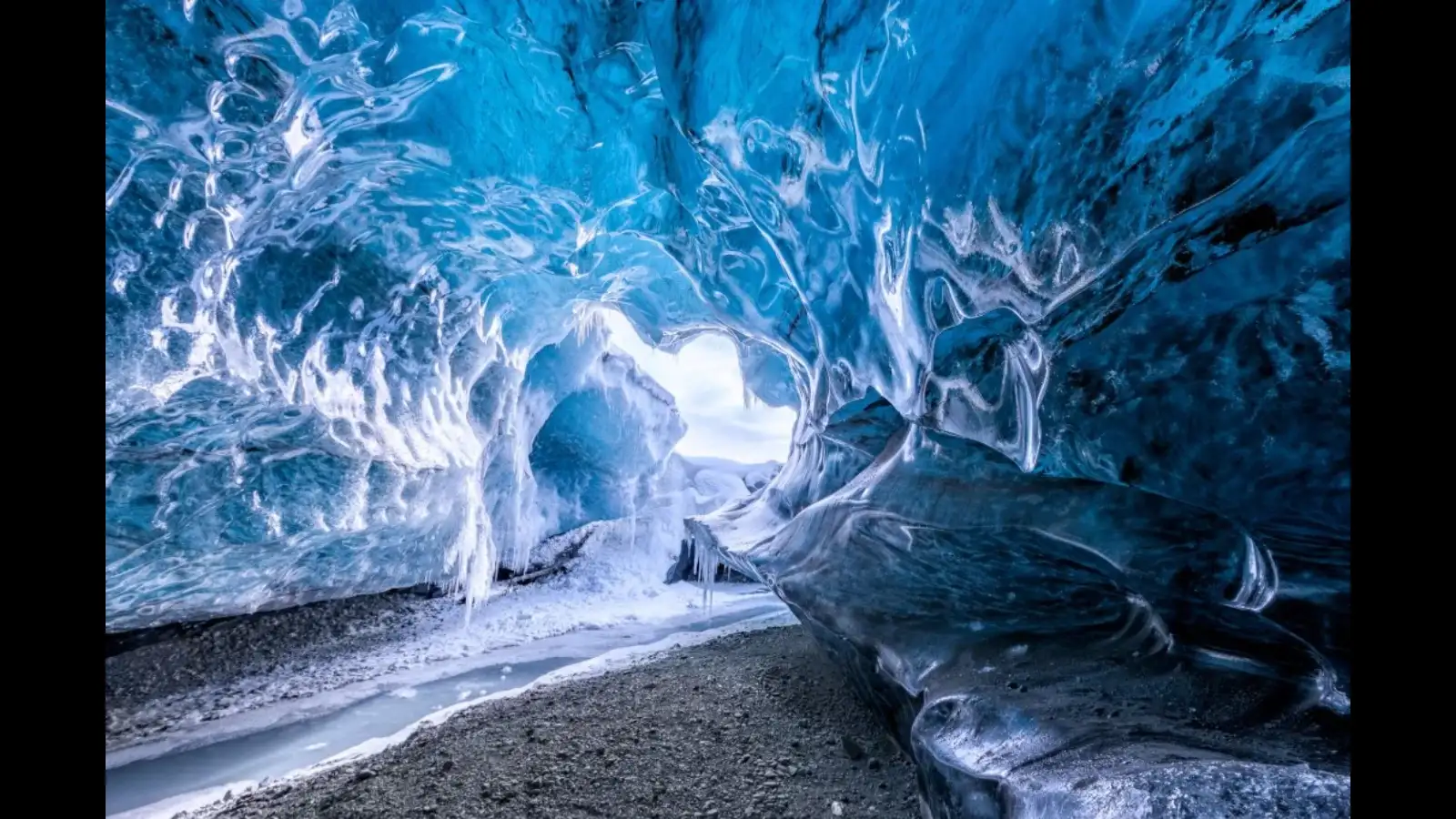
Deep beneath Iceland's glaciers, natural ice caves create a spectacular world of blue walls, frozen formations and translucent surfaces. The caves change as the glacier moves and melts, making their appearance different from season to season.
The intense blue colour comes from the way dense glacier ice absorbs and scatters light. Walking through one can feel like stepping inside a frozen alien landscape.
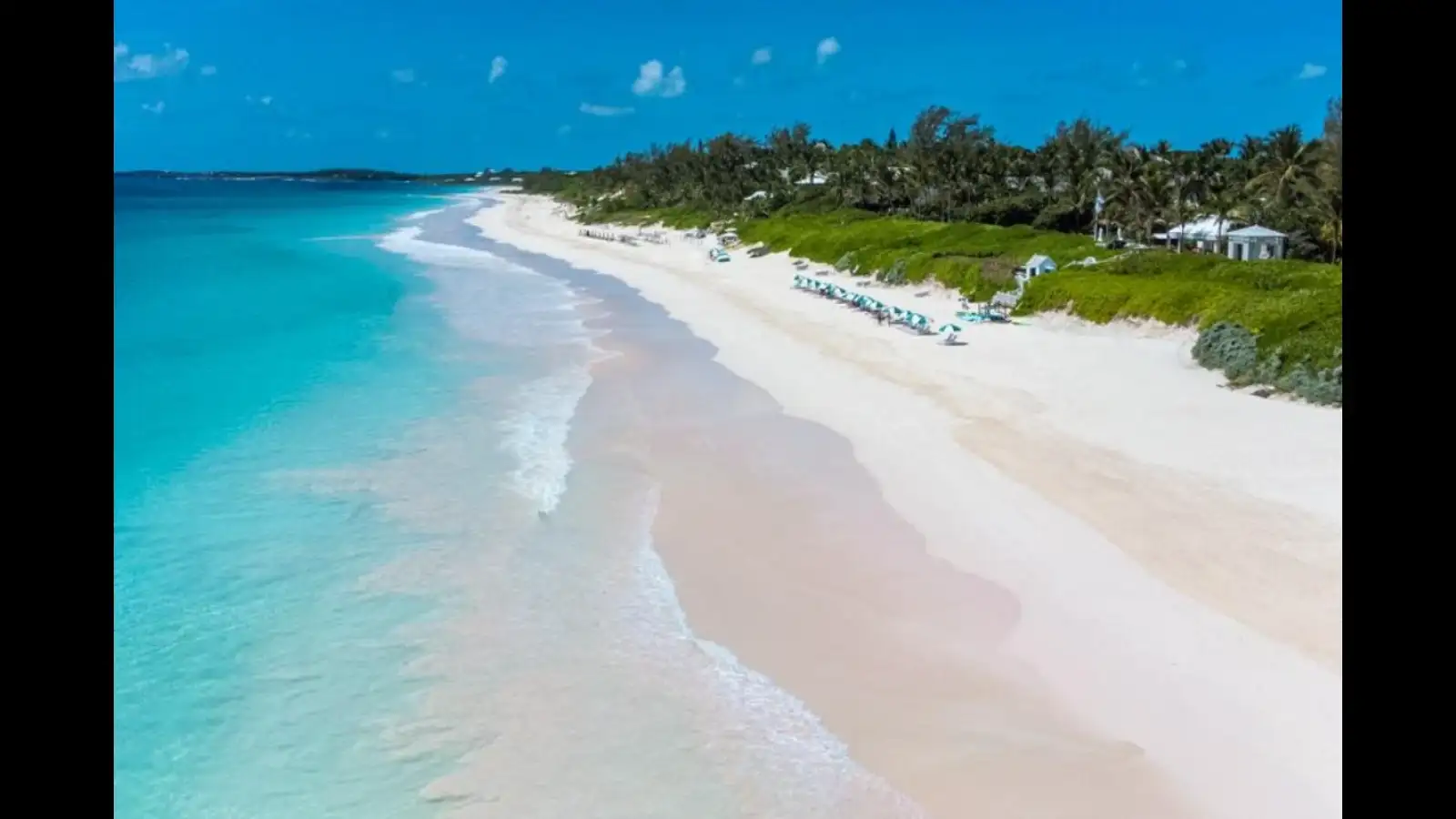
Imagine a beach where the sand has a soft pink hue instead of the usual golden or white. That is the striking sight found at Pink Sands Beach on Harbour Island in the Bahamas.
The colour comes from tiny marine organisms called foraminifera, whose reddish or pink shells mix with the sand. Combined with turquoise water, the beach has an almost surreal appearance.
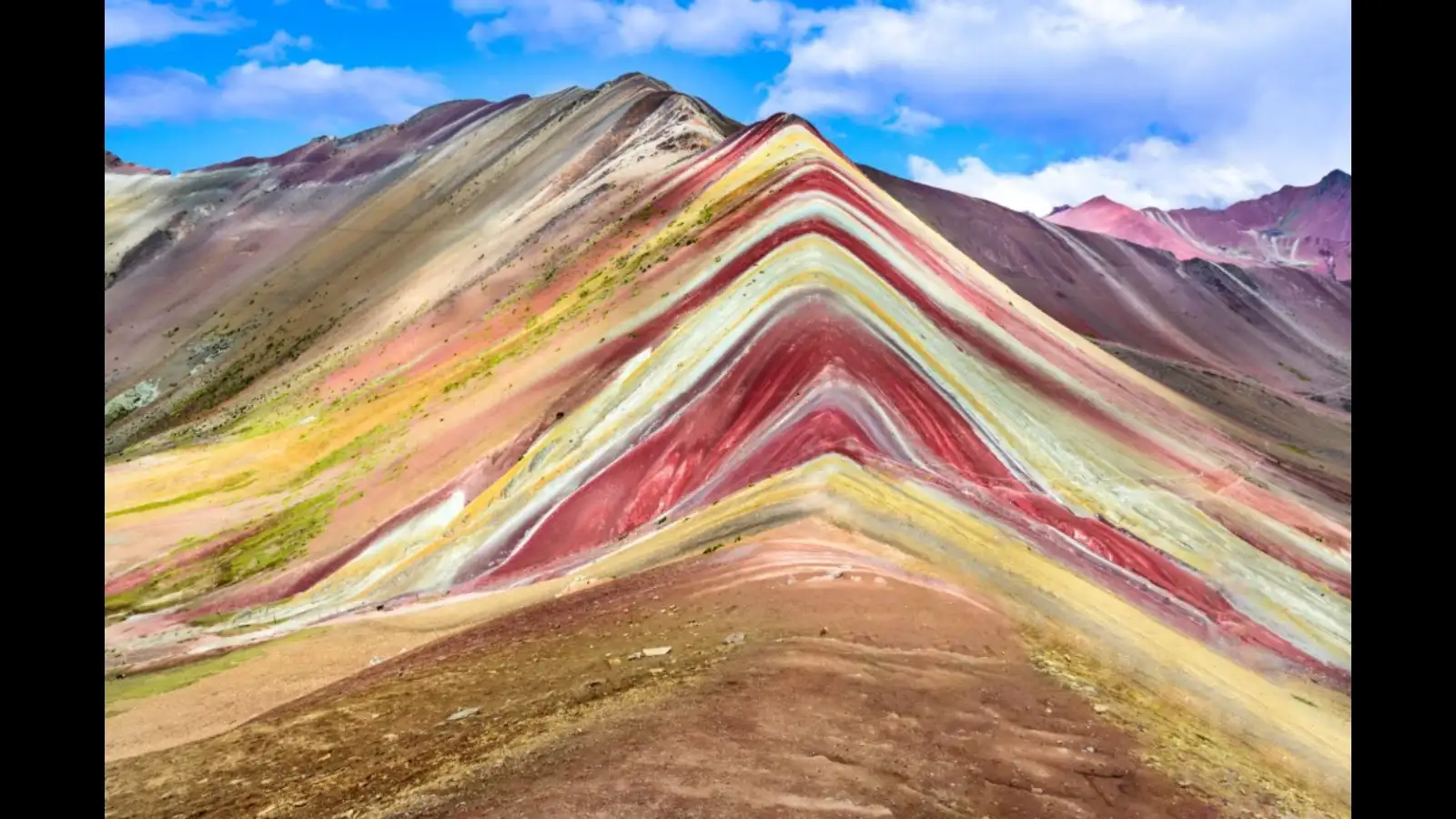
Vinicunca, popularly known as Rainbow Mountain, looks as though someone painted stripes across the landscape. Its slopes display shades of red, yellow, green and other earthy colours.
The unusual appearance is linked to different minerals in the rocks. At high altitude in the Andes, the colourful mountain landscape creates a dramatic setting unlike a typical mountain range.
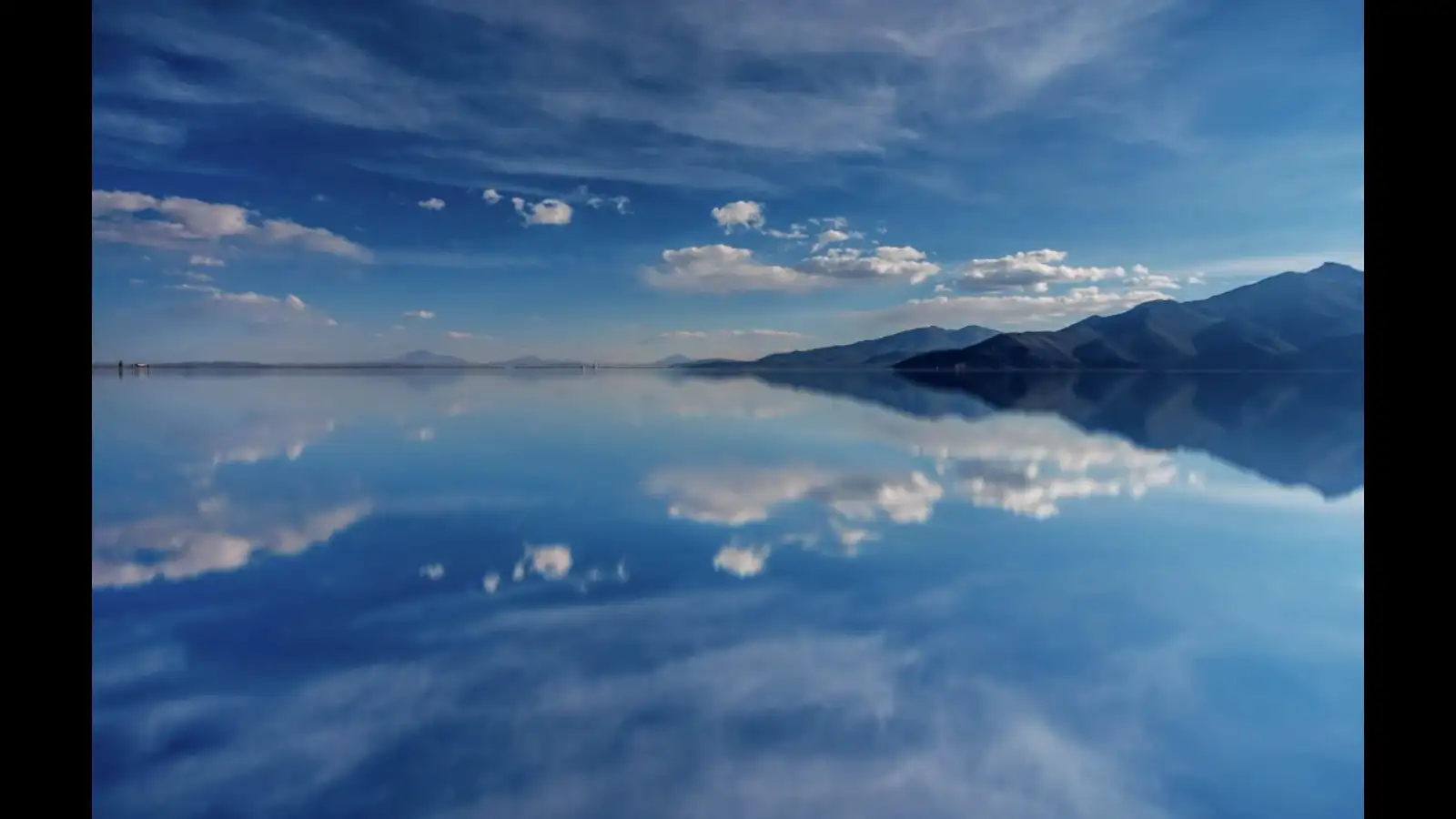
Salar de Uyuni is the world's largest salt flat and one of the most surreal landscapes on Earth. During the rainy season, a thin layer of water can cover the vast white surface.
The result is a giant natural mirror that can make the horizon almost disappear. Sky and ground seem to merge into one endless space, creating an otherworldly visual effect.
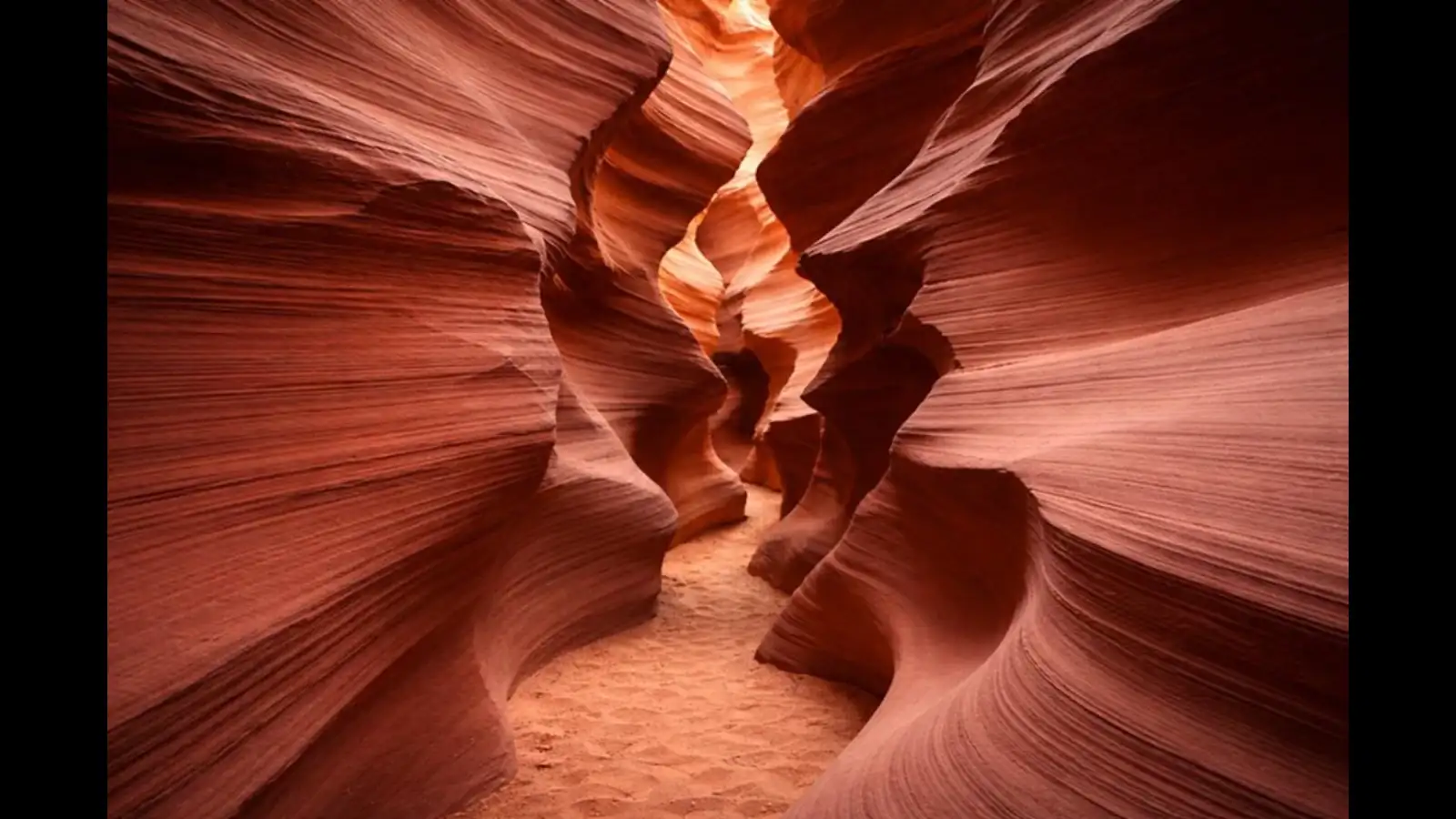
Inside Antelope Canyon in Arizona, smooth sandstone walls curve and twist into dramatic shapes. Sunlight entering through narrow openings can illuminate the canyon in shades of orange, red and gold.
The flowing rock formations were shaped by erosion over a long period, producing walls that look almost sculpted by hand.
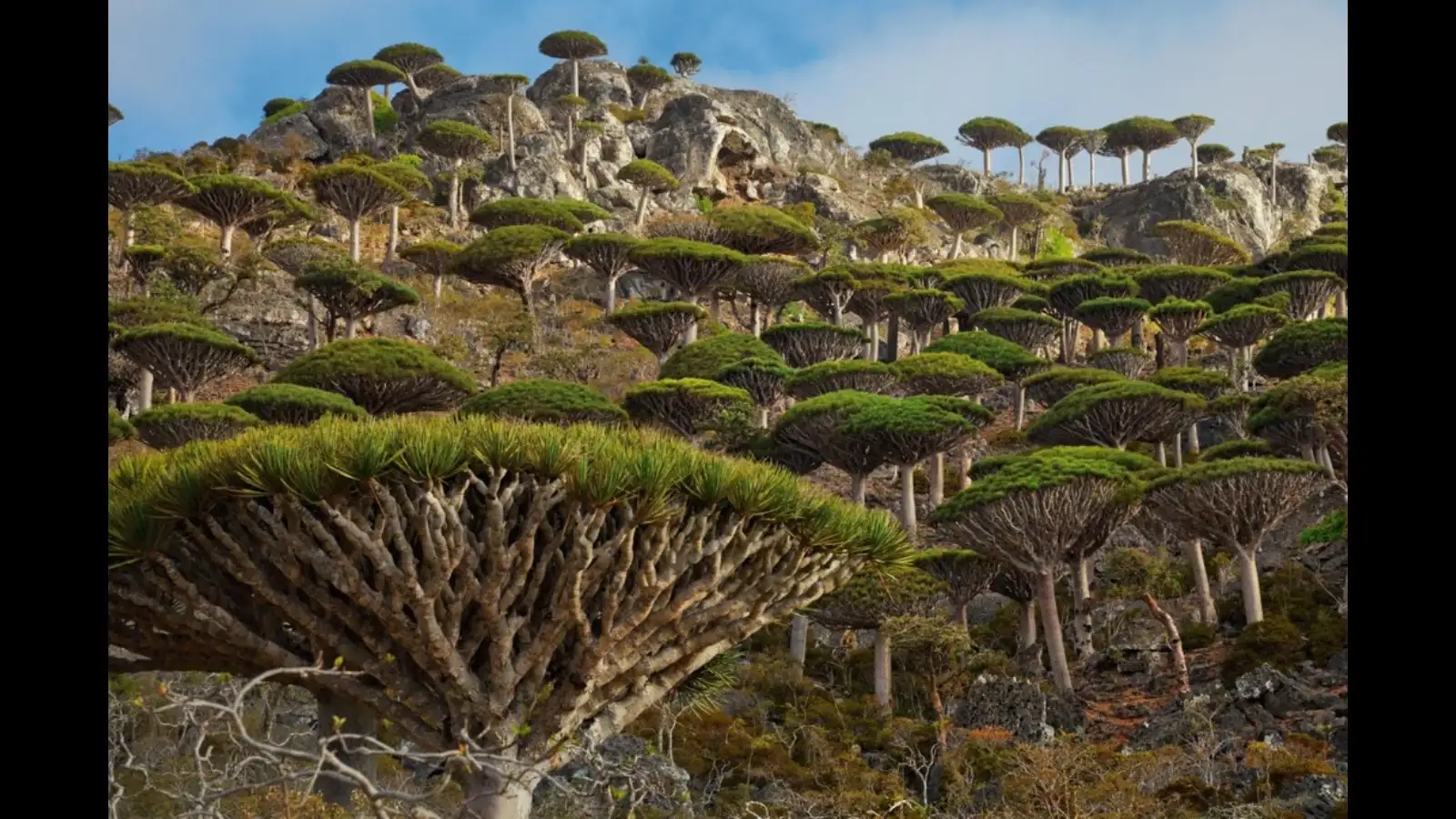
Socotra is famous for its unusual plants and isolated landscapes. Among its most recognisable sights are dragon blood trees, which have distinctive umbrella-like canopies.
The island's long geographic isolation has contributed to its remarkable biodiversity. Its strange-looking vegetation and rugged terrain have earned Socotra a reputation for resembling an alien world.
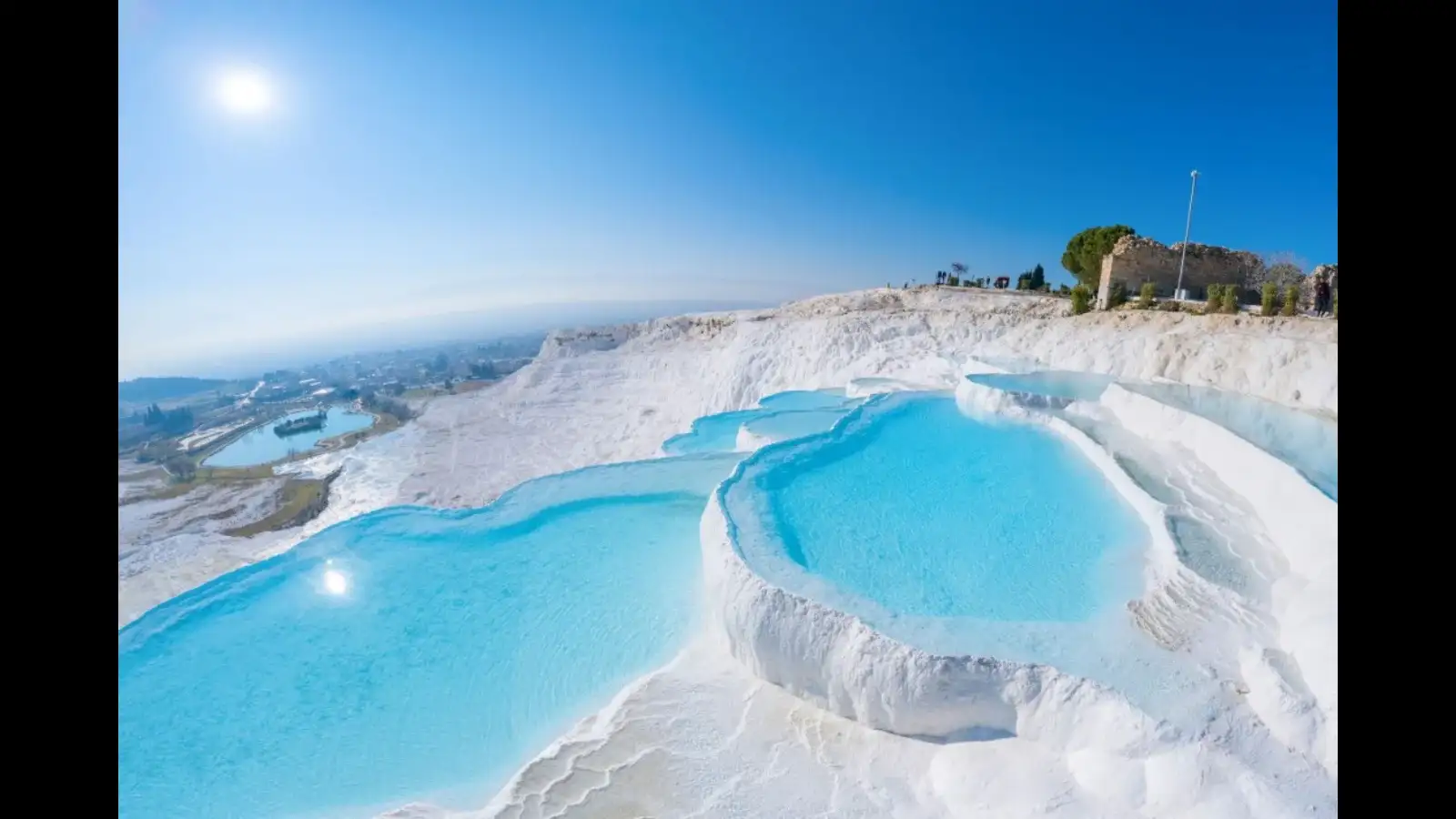
Pamukkale looks like a hillside covered in snow, but its brilliant white terraces are made from travertine, a form of calcium carbonate deposited by mineral-rich thermal waters.
The cascading terraces contain shallow pools and create a striking white landscape. From a distance, it can look more like an icy planet than a warm region of southwestern Türkiye.
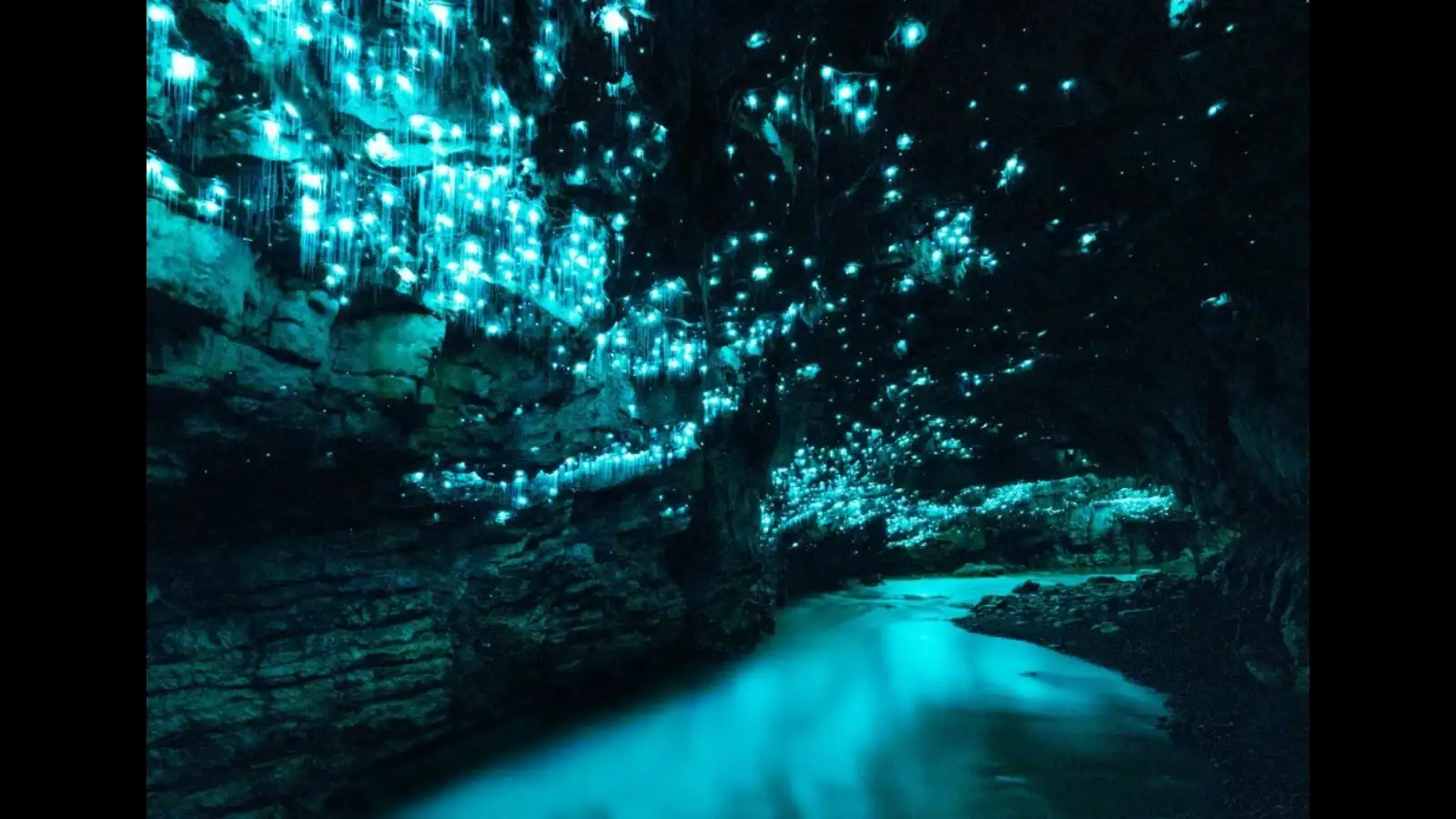
Deep underground in New Zealand's Waitomo region, tiny glowworms create one of nature's most unusual sights. Their lights appear across the dark cave ceiling like thousands of stars.
Seen from below, the glowing points can resemble a night sky. The experience is particularly striking because the surrounding cave is otherwise dark and quiet.
The contrast between the pale dunes and blue-green pools gives the region an almost dreamlike appearance. From above, the landscape can look like a strange desert dotted with hundreds of natural pools.
The intense colours and harsh environment can make the region look like a scene from another planet. It is a powerful reminder that some of Earth's most unusual landscapes are created by geological forces still shaping the surface beneath our feet.
These destinations are not just visually spectacular. They also reveal how ice, minerals, water, erosion, volcanic activity and biological life can work together to create landscapes unlike anything found nearby.
Here are 10 destinations that could easily be mistaken for another world.
1. Vatnajokull Ice Caves, Iceland
Deep beneath Iceland's glaciers, natural ice caves create a spectacular world of blue walls, frozen formations and translucent surfaces. The caves change as the glacier moves and melts, making their appearance different from season to season.
The intense blue colour comes from the way dense glacier ice absorbs and scatters light. Walking through one can feel like stepping inside a frozen alien landscape.
2. Pink Sands Beach, Bahamas
Imagine a beach where the sand has a soft pink hue instead of the usual golden or white. That is the striking sight found at Pink Sands Beach on Harbour Island in the Bahamas.
The colour comes from tiny marine organisms called foraminifera, whose reddish or pink shells mix with the sand. Combined with turquoise water, the beach has an almost surreal appearance.
3. Rainbow Mountains, Peru
Vinicunca, popularly known as Rainbow Mountain, looks as though someone painted stripes across the landscape. Its slopes display shades of red, yellow, green and other earthy colours.
The unusual appearance is linked to different minerals in the rocks. At high altitude in the Andes, the colourful mountain landscape creates a dramatic setting unlike a typical mountain range.
4. Salar de Uyuni, Bolivia
Salar de Uyuni is the world's largest salt flat and one of the most surreal landscapes on Earth. During the rainy season, a thin layer of water can cover the vast white surface.
The result is a giant natural mirror that can make the horizon almost disappear. Sky and ground seem to merge into one endless space, creating an otherworldly visual effect.
5. Antelope Canyon, USA
Inside Antelope Canyon in Arizona, smooth sandstone walls curve and twist into dramatic shapes. Sunlight entering through narrow openings can illuminate the canyon in shades of orange, red and gold.
The flowing rock formations were shaped by erosion over a long period, producing walls that look almost sculpted by hand.
6. Socotra Island, Yemen
Socotra is famous for its unusual plants and isolated landscapes. Among its most recognisable sights are dragon blood trees, which have distinctive umbrella-like canopies.
The island's long geographic isolation has contributed to its remarkable biodiversity. Its strange-looking vegetation and rugged terrain have earned Socotra a reputation for resembling an alien world.
You may also like
- His family chose table tennis because cricket seemed too expensive; Years later, Ankur Bhattacharjee plays with a Rs 48,500 paddle and has won his first WTT singles title
- Michelle Obama's parenting rule is simple but tough: Why she never worried about whether her daughters liked her
- Understanding 'High-Functioning Exhaustion': Why Constant Fatigue in Your 30s and 40s Might Point to Perimenopause
- Quote of the Day by Confucius: "By three methods we may learn wisdom, first, by reflection, which is noblest; second, by imitation, which is...."
- 'You didn't come first': Suriya's powerful message to parents about ranks, pressure, and letting children be children
7. Pamukkale, Turkey
Pamukkale looks like a hillside covered in snow, but its brilliant white terraces are made from travertine, a form of calcium carbonate deposited by mineral-rich thermal waters.
The cascading terraces contain shallow pools and create a striking white landscape. From a distance, it can look more like an icy planet than a warm region of southwestern Türkiye.
8. Waitomo Glowworm Caves, New Zealand
Deep underground in New Zealand's Waitomo region, tiny glowworms create one of nature's most unusual sights. Their lights appear across the dark cave ceiling like thousands of stars.
Seen from below, the glowing points can resemble a night sky. The experience is particularly striking because the surrounding cave is otherwise dark and quiet.
9. Lencois Maranhenses, Brazil
Lencois Maranhenses National Park in Brazil is a vast landscape of sweeping white sand dunes interrupted by seasonal freshwater lagoons.The contrast between the pale dunes and blue-green pools gives the region an almost dreamlike appearance. From above, the landscape can look like a strange desert dotted with hundreds of natural pools.
10. Danakil Depression, Ethiopia
The Danakil Depression is one of Earth's most extreme landscapes. Its terrain includes salt flats, volcanic features and vividly coloured mineral deposits.The intense colours and harsh environment can make the region look like a scene from another planet. It is a powerful reminder that some of Earth's most unusual landscapes are created by geological forces still shaping the surface beneath our feet.
Earth Has Its Own Alien Landscapes
You do not need to travel beyond Earth to find landscapes that look extraterrestrial. From the frozen interiors of Icelandic glaciers to the pink sands of the Bahamas and the mirror-like salt flats of Bolivia, our planet is filled with places that challenge what we expect nature to look like.These destinations are not just visually spectacular. They also reveal how ice, minerals, water, erosion, volcanic activity and biological life can work together to create landscapes unlike anything found nearby.






Loving Newspoint? Download the app now
