
Beyond the City: What Makes Majuli a Special Assam Getaway

Some destinations are best explored through their cultural traditions rather than a long list of attractions. Majuli, in Assam, offers travellers an opportunity to experience a distinctive combination of river landscapes, religious institutions, traditional arts and village life.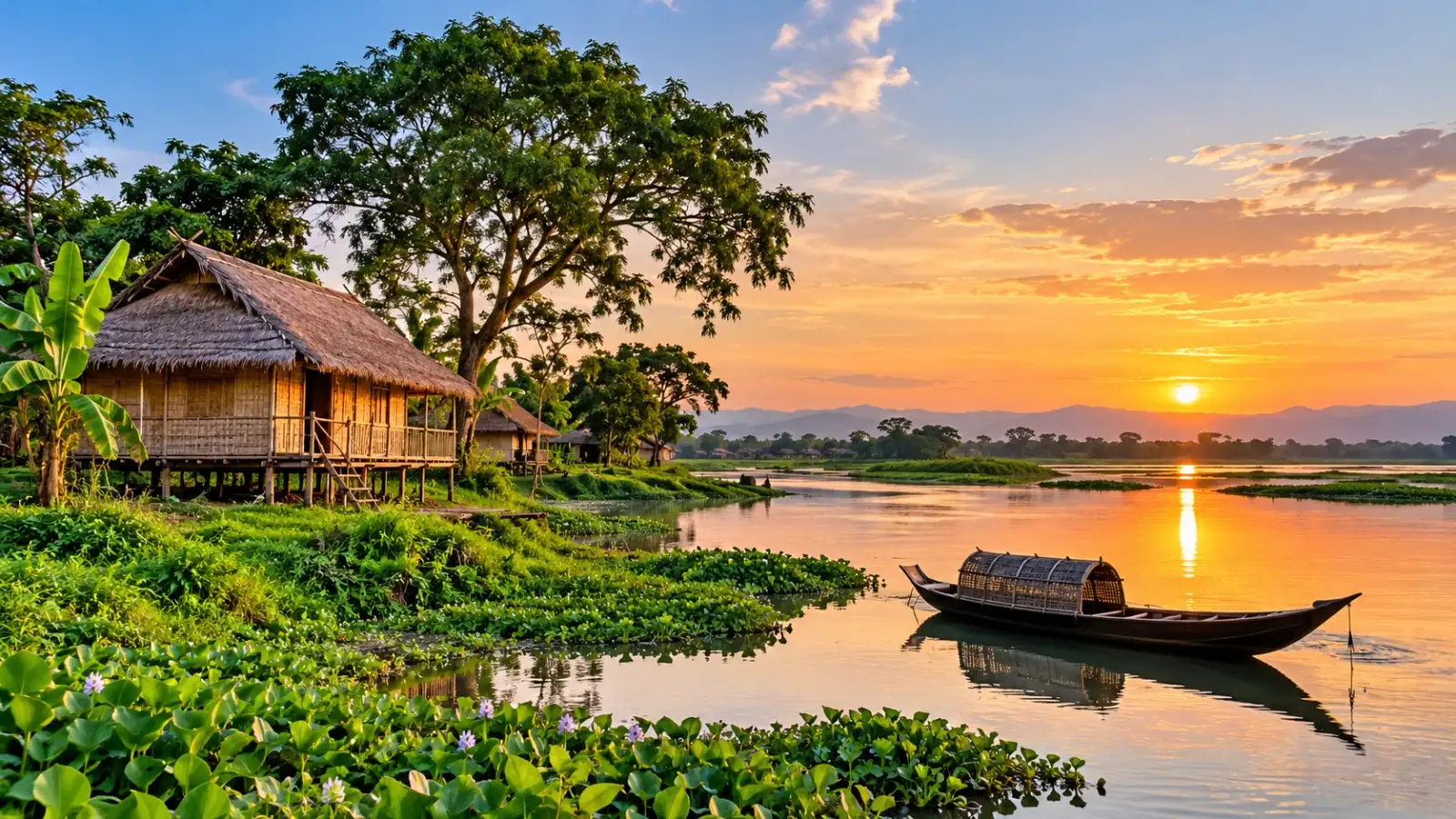
Situated in the Brahmaputra River system, Majuli is known for its Vaishnavite satras, institutions that have played important roles in religious practice, performance and cultural preservation. The island's landscape and boundaries have changed over time because of river erosion and flooding, making current local information especially important when planning a visit.
A visit can offer insight into how religious institutions also serve as centres of artistic learning and cultural continuity.
Ask about visiting arrangements before arriving. Some areas may have restrictions, particularly during ceremonies or other religious activities.
Visitors should dress respectfully, follow photography rules and avoid interrupting people engaged in prayer or practice.
Artisans create masks representing characters from religious narratives, using materials and methods that can vary according to the intended design. The finished objects may be used in performances as well as displayed as works of craftsmanship.
If a workshop is open to visitors, observe how the shapes, facial expressions and decorative elements are developed.
When buying a mask or another handmade item, ask about its materials, production process and whether it is intended for performance or decoration.
Visitors may encounter traditional homes, agricultural fields, local markets and craft activities, depending on where they travel on the island.
A local guide can help explain the relationship between the landscape, livelihoods and cultural traditions. Choose tours that respect residents' privacy and do not treat working communities as tourist displays.
Ask restaurants about ingredients and cooking methods because recipes differ between households and establishments.
Markets may also offer locally made snacks and other products. Check packaging and storage information before buying food to carry home.
Allow extra time for transport connections rather than scheduling every activity tightly. River conditions, weather and local logistics can affect travel plans.
Accommodation choices and facilities may be more limited than in larger cities, so reserve suitable lodging in advance, particularly during festivals or busy travel periods.
Support local guides and artisans where possible, and ask permission before photographing residents or their homes.
Majuli offers a memorable combination of cultural heritage, traditional arts and river landscapes. A slower itinerary can help visitors appreciate the island's distinctive character while allowing time for the practical realities of travelling in a riverine region.
Situated in the Brahmaputra River system, Majuli is known for its Vaishnavite satras, institutions that have played important roles in religious practice, performance and cultural preservation. The island's landscape and boundaries have changed over time because of river erosion and flooding, making current local information especially important when planning a visit.
Discover the satras
The satras are among Majuli's most significant cultural attractions. They are associated with the Vaishnavite movement in Assam and have helped preserve traditions involving devotional music, dance, theatre, manuscripts and community activities.A visit can offer insight into how religious institutions also serve as centres of artistic learning and cultural continuity.
Ask about visiting arrangements before arriving. Some areas may have restrictions, particularly during ceremonies or other religious activities.
Visitors should dress respectfully, follow photography rules and avoid interrupting people engaged in prayer or practice.
Explore traditional mask-making
Majuli is particularly associated with traditional mask-making, an art connected with Assamese devotional theatre.Artisans create masks representing characters from religious narratives, using materials and methods that can vary according to the intended design. The finished objects may be used in performances as well as displayed as works of craftsmanship.
If a workshop is open to visitors, observe how the shapes, facial expressions and decorative elements are developed.
When buying a mask or another handmade item, ask about its materials, production process and whether it is intended for performance or decoration.
Experience village life
Beyond its cultural institutions, Majuli offers opportunities to observe rural landscapes and everyday life.Visitors may encounter traditional homes, agricultural fields, local markets and craft activities, depending on where they travel on the island.
A local guide can help explain the relationship between the landscape, livelihoods and cultural traditions. Choose tours that respect residents' privacy and do not treat working communities as tourist displays.
Try Assamese food
Local food is another way to understand the region. Vegetarian travellers can look for rice-based meals, dal, seasonal vegetables, khar preparations made in suitable vegetarian versions, and regional sweets.Ask restaurants about ingredients and cooking methods because recipes differ between households and establishments.
Markets may also offer locally made snacks and other products. Check packaging and storage information before buying food to carry home.
Plan transport carefully
Reaching Majuli generally involves travelling to the river crossing used by local ferry services. Timetables and operating conditions can vary, so check the latest arrangements before beginning your journey.Allow extra time for transport connections rather than scheduling every activity tightly. River conditions, weather and local logistics can affect travel plans.
Accommodation choices and facilities may be more limited than in larger cities, so reserve suitable lodging in advance, particularly during festivals or busy travel periods.
Travel responsibly
Majuli's riverine environment makes responsible travel especially important. Follow local guidance, avoid littering and respect restrictions around fragile or sensitive areas.Support local guides and artisans where possible, and ask permission before photographing residents or their homes.
Majuli offers a memorable combination of cultural heritage, traditional arts and river landscapes. A slower itinerary can help visitors appreciate the island's distinctive character while allowing time for the practical realities of travelling in a riverine region.
Next Story