
Japan Travel Guide: 7 Places to Explore Beyond Tokyo and Kyoto

Japan is a country where ancient traditions, modern cities, peaceful gardens and breathtaking landscapes come together. While Tokyo and Kyoto are popular choices for first-time visitors, there is much more to discover beyond these famous destinations. From Osaka’s vibrant food streets to Okinawa’s tropical beaches, Japan offers experiences for every kind of traveller.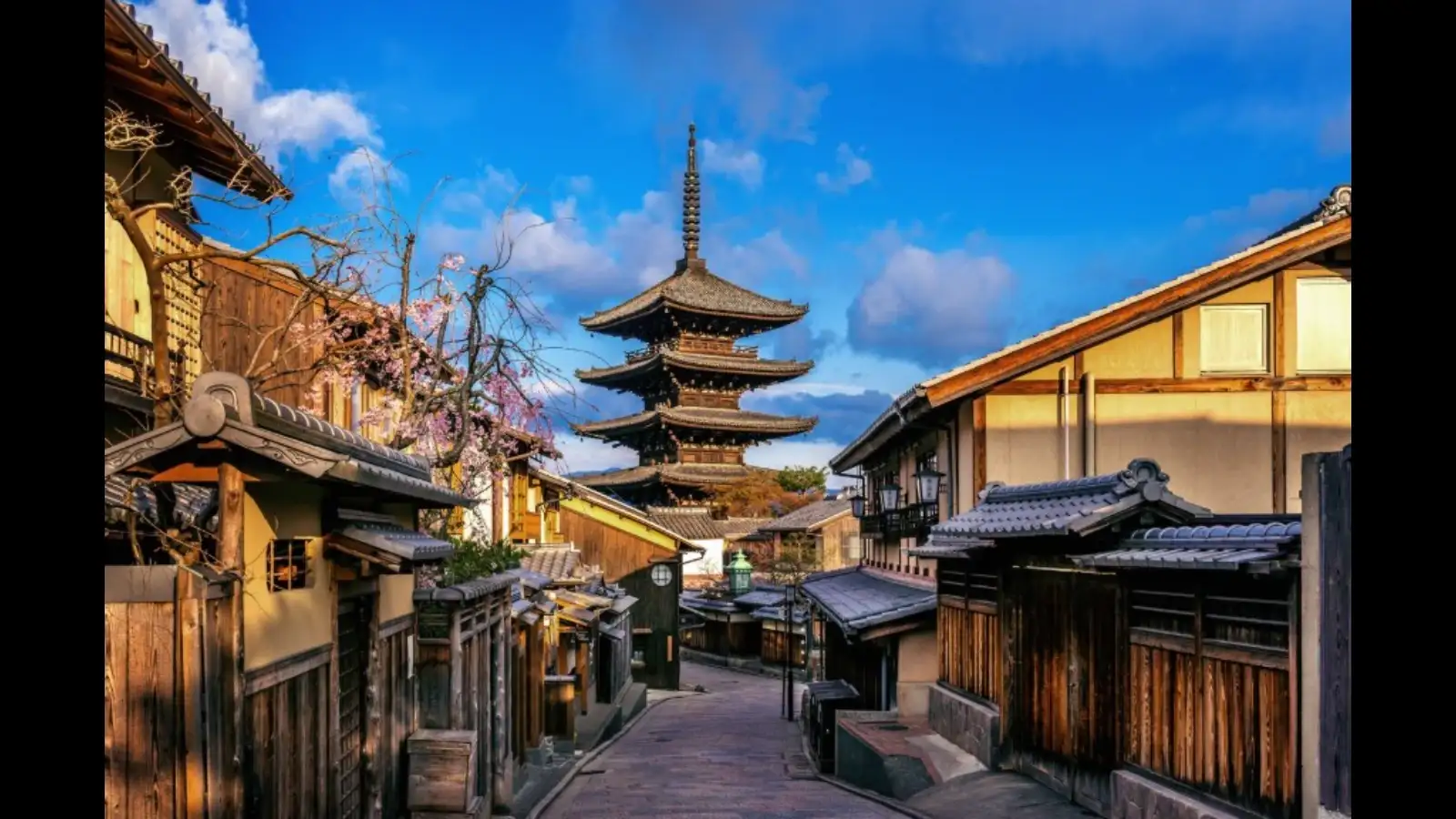
If you are planning a trip to Japan and want to explore something different, these seven destinations deserve a place on your itinerary.
One of the city’s most recognisable landmarks is Osaka Castle. Originally associated with Toyotomi Hideyoshi, the castle played an important role in Japan’s history. Today, visitors can explore its museum and enjoy walks around the surrounding park.
Dotonbori is another must-visit area. Famous for its bright signs, canal-side views and bustling restaurants, it is a great place to experience Osaka’s food culture. The city is particularly known for takoyaki, a snack made with batter and pieces of octopus, and okonomiyaki, a savoury Japanese pancake.
Visitors can also explore Shinsekai, a neighbourhood known for its nostalgic atmosphere and Tsutenkaku Tower. Those travelling with children or looking for entertainment can consider Universal Studios Japan.
Osaka is a wonderful choice for travellers who enjoy food, shopping, history and lively city life.
Nara Park is perhaps its most famous attraction. The park is known for its free-roaming sika deer, which have a long association with the religious traditions of the region. Visitors can observe the deer while exploring the surrounding gardens and historic sites.
The city is also home to Todai ji, a major Buddhist temple famous for its Great Buddha Hall. The building houses a monumental bronze statue of Vairocana Buddha and is one of Nara’s most important landmarks.
Another attraction is Kasuga Taisha, a Shinto shrine surrounded by forest. Its stone and bronze lanterns add to the peaceful atmosphere.
Nara is easily accessible from Osaka and Kyoto, making it suitable for a day trip. However, spending more time in the city allows visitors to explore its historic streets and cultural attractions at a relaxed pace.
One of its biggest attractions is Kenrokuen Garden, widely regarded as one of Japan’s most beautiful landscape gardens. The garden features ponds, bridges, trees and carefully designed walking paths. Its appearance changes with the seasons, offering different experiences throughout the year.
The Higashi Chaya district is another highlight. This historic area is known for its traditional wooden buildings and former teahouses. Some of these establishments are open to visitors, offering a glimpse into the entertainment culture of old Japan.
Travellers can also explore Nagamachi, a former samurai district with narrow streets and preserved residences. The area reflects Kanazawa’s history during the feudal period.
Kanazawa is also famous for gold leaf craftsmanship. Visitors can find decorative objects, souvenirs and workshops connected with this traditional art.
For those looking for a destination that combines gardens, culture, history and local food, Kanazawa is an excellent alternative to Kyoto.
The Hiroshima Peace Memorial Park is central to understanding the city’s history. It contains memorials, monuments and the Hiroshima Peace Memorial Museum, which documents the impact of the bombing and its aftermath.
The Atomic Bomb Dome is one of the most recognisable landmarks in the city. The building survived the bombing and has been preserved as a reminder of the devastating event. It is also a UNESCO World Heritage Site.
Beyond its historical attractions, Hiroshima offers access to beautiful coastal scenery and cultural sites. A popular excursion is to Miyajima, an island known for Itsukushima Shrine and its famous torii gate.
The island also offers walking trails, traditional streets and views of Mount Misen. Visitors can enjoy a peaceful day exploring the area before returning to Hiroshima.
The city is ideal for travellers who want to understand an important part of Japan’s history while also enjoying its culture and natural surroundings.
The Sanmachi Suji district is one of Takayama’s main attractions. Its wooden buildings, narrow lanes and traditional shops create an atmosphere that reflects the town’s past. Many historic buildings now house cafés, restaurants, craft shops and sake breweries.
Takayama is also known for its morning markets, where visitors can browse local produce, snacks and handmade goods. The region is famous for Hida beef, a highly regarded variety of Japanese beef.
The Takayama Festival, held in spring and autumn, is one of Japan’s notable traditional festivals. It features elaborate floats and cultural performances. Festival dates vary each year, so visitors should check the schedule before travelling.
Takayama can also be combined with a visit to Shirakawa go, a historic village known for its traditional gassho zukuri farmhouses. These distinctive houses have steeply pitched thatched roofs designed to withstand heavy snowfall.
Takayama is particularly appealing to travellers who enjoy historic towns, mountain landscapes and authentic regional experiences.
The city’s most famous winter event is the Sapporo Snow Festival, usually held in February. It features large snow and ice sculptures and attracts visitors from across Japan and overseas.
Odori Park is one of Sapporo’s central landmarks. The long park hosts seasonal events and provides an open green space in the middle of the city. Visitors can also explore the Sapporo Clock Tower and other historic attractions.
Food is an important part of the Sapporo experience. The city is particularly famous for miso ramen, while Hokkaido is known for its seafood, dairy products and agricultural produce.
During winter, travellers can explore snowy landscapes and nearby ski destinations. In warmer months, the region offers opportunities to enjoy parks, gardens and outdoor activities.
Sapporo is a great choice for those who want to experience Japan’s northern culture, seasonal beauty and distinctive food traditions.
The prefecture includes several islands, each with its own character. Okinawa Island is home to Naha, the regional capital, while Ishigaki and Miyakojima are known for their beautiful coastal landscapes.
Naha is a good starting point for exploring Okinawan culture. Visitors can discover local markets, traditional food and historic sites connected with the former Ryukyu Kingdom.
Shuri Castle was once the royal palace of the Ryukyu Kingdom. Much of the historic complex was destroyed by fire in 2019, and reconstruction work has continued. The site remains an important part of Okinawa’s heritage.
Okinawa is also known for its marine activities. Depending on the island and season, visitors can enjoy snorkelling, diving and boat trips. The region’s beaches are especially attractive to travellers seeking relaxation.
Food lovers can try local specialities such as Okinawa soba, goya champuru and purple sweet potato desserts.
Okinawa is ideal for travellers who want to combine Japanese culture with tropical scenery and a slower island lifestyle.
Osaka and Nara are convenient choices for exploring the Kansai region. Kanazawa and Takayama are suitable for those interested in traditional architecture and regional culture. Hiroshima offers an important historical experience, while Sapporo and Okinawa provide contrasting landscapes and climates.
If you plan to visit during a festival or peak travel season, booking accommodation in advance is advisable. Japan’s weather varies considerably from north to south, so pack according to the destinations on your itinerary.
Disclaimer: Travel conditions, transport services, attraction timings and festival dates may change. Check official local information before planning your trip.
If you are planning a trip to Japan and want to explore something different, these seven destinations deserve a place on your itinerary.
1. Osaka: A Paradise for Food and Entertainment
Located in Japan’s Kansai region, Osaka is one of the country’s most exciting cities. Known for its lively atmosphere, delicious food and fascinating history, it offers a different experience from Tokyo and Kyoto.One of the city’s most recognisable landmarks is Osaka Castle. Originally associated with Toyotomi Hideyoshi, the castle played an important role in Japan’s history. Today, visitors can explore its museum and enjoy walks around the surrounding park.
Dotonbori is another must-visit area. Famous for its bright signs, canal-side views and bustling restaurants, it is a great place to experience Osaka’s food culture. The city is particularly known for takoyaki, a snack made with batter and pieces of octopus, and okonomiyaki, a savoury Japanese pancake.
Visitors can also explore Shinsekai, a neighbourhood known for its nostalgic atmosphere and Tsutenkaku Tower. Those travelling with children or looking for entertainment can consider Universal Studios Japan.
Osaka is a wonderful choice for travellers who enjoy food, shopping, history and lively city life.
2. Nara: A Glimpse into Japan’s Ancient Past
If you want to experience Japan’s historic and spiritual side, Nara is an excellent destination. Located in the Kansai region, the city was Japan’s capital during the eighth century and is home to some of the country’s most important temples and shrines.Nara Park is perhaps its most famous attraction. The park is known for its free-roaming sika deer, which have a long association with the religious traditions of the region. Visitors can observe the deer while exploring the surrounding gardens and historic sites.
The city is also home to Todai ji, a major Buddhist temple famous for its Great Buddha Hall. The building houses a monumental bronze statue of Vairocana Buddha and is one of Nara’s most important landmarks.
Another attraction is Kasuga Taisha, a Shinto shrine surrounded by forest. Its stone and bronze lanterns add to the peaceful atmosphere.
Nara is easily accessible from Osaka and Kyoto, making it suitable for a day trip. However, spending more time in the city allows visitors to explore its historic streets and cultural attractions at a relaxed pace.
3. Kanazawa: Traditional Streets and Beautiful Gardens
Kanazawa, located in Ishikawa Prefecture, is a fascinating destination for travellers interested in Japanese art, history and architecture. The city is known for its preserved historic neighbourhoods, traditional crafts and beautiful gardens.One of its biggest attractions is Kenrokuen Garden, widely regarded as one of Japan’s most beautiful landscape gardens. The garden features ponds, bridges, trees and carefully designed walking paths. Its appearance changes with the seasons, offering different experiences throughout the year.
The Higashi Chaya district is another highlight. This historic area is known for its traditional wooden buildings and former teahouses. Some of these establishments are open to visitors, offering a glimpse into the entertainment culture of old Japan.
Travellers can also explore Nagamachi, a former samurai district with narrow streets and preserved residences. The area reflects Kanazawa’s history during the feudal period.
Kanazawa is also famous for gold leaf craftsmanship. Visitors can find decorative objects, souvenirs and workshops connected with this traditional art.
For those looking for a destination that combines gardens, culture, history and local food, Kanazawa is an excellent alternative to Kyoto.
4. Hiroshima: History, Peace and Scenic Beauty
Hiroshima is a destination that offers a deeply meaningful travel experience. Known around the world for the atomic bombing of 1945, the city today is associated with peace, remembrance and rebuilding.The Hiroshima Peace Memorial Park is central to understanding the city’s history. It contains memorials, monuments and the Hiroshima Peace Memorial Museum, which documents the impact of the bombing and its aftermath.
The Atomic Bomb Dome is one of the most recognisable landmarks in the city. The building survived the bombing and has been preserved as a reminder of the devastating event. It is also a UNESCO World Heritage Site.
Beyond its historical attractions, Hiroshima offers access to beautiful coastal scenery and cultural sites. A popular excursion is to Miyajima, an island known for Itsukushima Shrine and its famous torii gate.
The island also offers walking trails, traditional streets and views of Mount Misen. Visitors can enjoy a peaceful day exploring the area before returning to Hiroshima.
The city is ideal for travellers who want to understand an important part of Japan’s history while also enjoying its culture and natural surroundings.
5. Takayama: A Charming Mountain Town
For a quieter Japanese experience, Takayama in Gifu Prefecture is worth visiting. Located in the mountainous Hida region, the town is known for its traditional architecture, historic streets and local food.The Sanmachi Suji district is one of Takayama’s main attractions. Its wooden buildings, narrow lanes and traditional shops create an atmosphere that reflects the town’s past. Many historic buildings now house cafés, restaurants, craft shops and sake breweries.
Takayama is also known for its morning markets, where visitors can browse local produce, snacks and handmade goods. The region is famous for Hida beef, a highly regarded variety of Japanese beef.
The Takayama Festival, held in spring and autumn, is one of Japan’s notable traditional festivals. It features elaborate floats and cultural performances. Festival dates vary each year, so visitors should check the schedule before travelling.
Takayama can also be combined with a visit to Shirakawa go, a historic village known for its traditional gassho zukuri farmhouses. These distinctive houses have steeply pitched thatched roofs designed to withstand heavy snowfall.
Takayama is particularly appealing to travellers who enjoy historic towns, mountain landscapes and authentic regional experiences.
6. Sapporo: Snow, Food and Northern Japan
Located on the island of Hokkaido, Sapporo offers a very different experience from the warmer and busier cities of central Japan. It is known for its snowy winters, spacious streets, regional cuisine and access to outdoor attractions.The city’s most famous winter event is the Sapporo Snow Festival, usually held in February. It features large snow and ice sculptures and attracts visitors from across Japan and overseas.
Odori Park is one of Sapporo’s central landmarks. The long park hosts seasonal events and provides an open green space in the middle of the city. Visitors can also explore the Sapporo Clock Tower and other historic attractions.
Food is an important part of the Sapporo experience. The city is particularly famous for miso ramen, while Hokkaido is known for its seafood, dairy products and agricultural produce.
During winter, travellers can explore snowy landscapes and nearby ski destinations. In warmer months, the region offers opportunities to enjoy parks, gardens and outdoor activities.
Sapporo is a great choice for those who want to experience Japan’s northern culture, seasonal beauty and distinctive food traditions.
7. Okinawa: Tropical Beaches and Island Culture
If you are looking for a beach holiday in Japan, Okinawa offers a completely different atmosphere from the country’s major cities. Located in the southern part of Japan, Okinawa Prefecture is known for its turquoise waters, coral reefs, island scenery and unique cultural heritage.The prefecture includes several islands, each with its own character. Okinawa Island is home to Naha, the regional capital, while Ishigaki and Miyakojima are known for their beautiful coastal landscapes.
Naha is a good starting point for exploring Okinawan culture. Visitors can discover local markets, traditional food and historic sites connected with the former Ryukyu Kingdom.
Shuri Castle was once the royal palace of the Ryukyu Kingdom. Much of the historic complex was destroyed by fire in 2019, and reconstruction work has continued. The site remains an important part of Okinawa’s heritage.
Okinawa is also known for its marine activities. Depending on the island and season, visitors can enjoy snorkelling, diving and boat trips. The region’s beaches are especially attractive to travellers seeking relaxation.
Food lovers can try local specialities such as Okinawa soba, goya champuru and purple sweet potato desserts.
Okinawa is ideal for travellers who want to combine Japanese culture with tropical scenery and a slower island lifestyle.
Planning Your Japan Trip Beyond Tokyo and Kyoto
Japan’s extensive transport network makes it possible to explore several destinations during one holiday. However, the best itinerary depends on your travel time, budget and interests.Osaka and Nara are convenient choices for exploring the Kansai region. Kanazawa and Takayama are suitable for those interested in traditional architecture and regional culture. Hiroshima offers an important historical experience, while Sapporo and Okinawa provide contrasting landscapes and climates.
Best Time to Visit
- Spring: A popular season for gardens, blossoms and sightseeing, although famous attractions can be crowded.
- Summer: Suitable for exploring northern Japan and enjoying many island destinations, but temperatures and humidity can be high.
- Autumn: A pleasant period for cultural sightseeing and enjoying colourful foliage in many regions.
- Winter: Ideal for snow experiences in Hokkaido and mountain areas. Okinawa generally has a milder climate than northern Japan.
Travel Tips
Before travelling, check transport schedules, accommodation availability and attraction opening hours. Rural towns and islands may have fewer transport services than major cities.If you plan to visit during a festival or peak travel season, booking accommodation in advance is advisable. Japan’s weather varies considerably from north to south, so pack according to the destinations on your itinerary.
Disclaimer: Travel conditions, transport services, attraction timings and festival dates may change. Check official local information before planning your trip.
Next Story