
10 Incredible Places to Experience Unique Bridges, Scenic Ferries and River Crossings

Bridges and ferries are more than ways to get from one side of a river to another. In many destinations, they are part of the local identity, connecting remote communities, historic towns and landscapes that would otherwise be difficult to reach. Some bridges are celebrated for their engineering, while others offer dramatic views of valleys, mountains or waterfront cities. Ferries provide a different experience, allowing travellers to observe daily life along rivers and coastlines. For those who enjoy unusual journeys, these crossings can become memorable parts of a holiday rather than simple steps between attractions.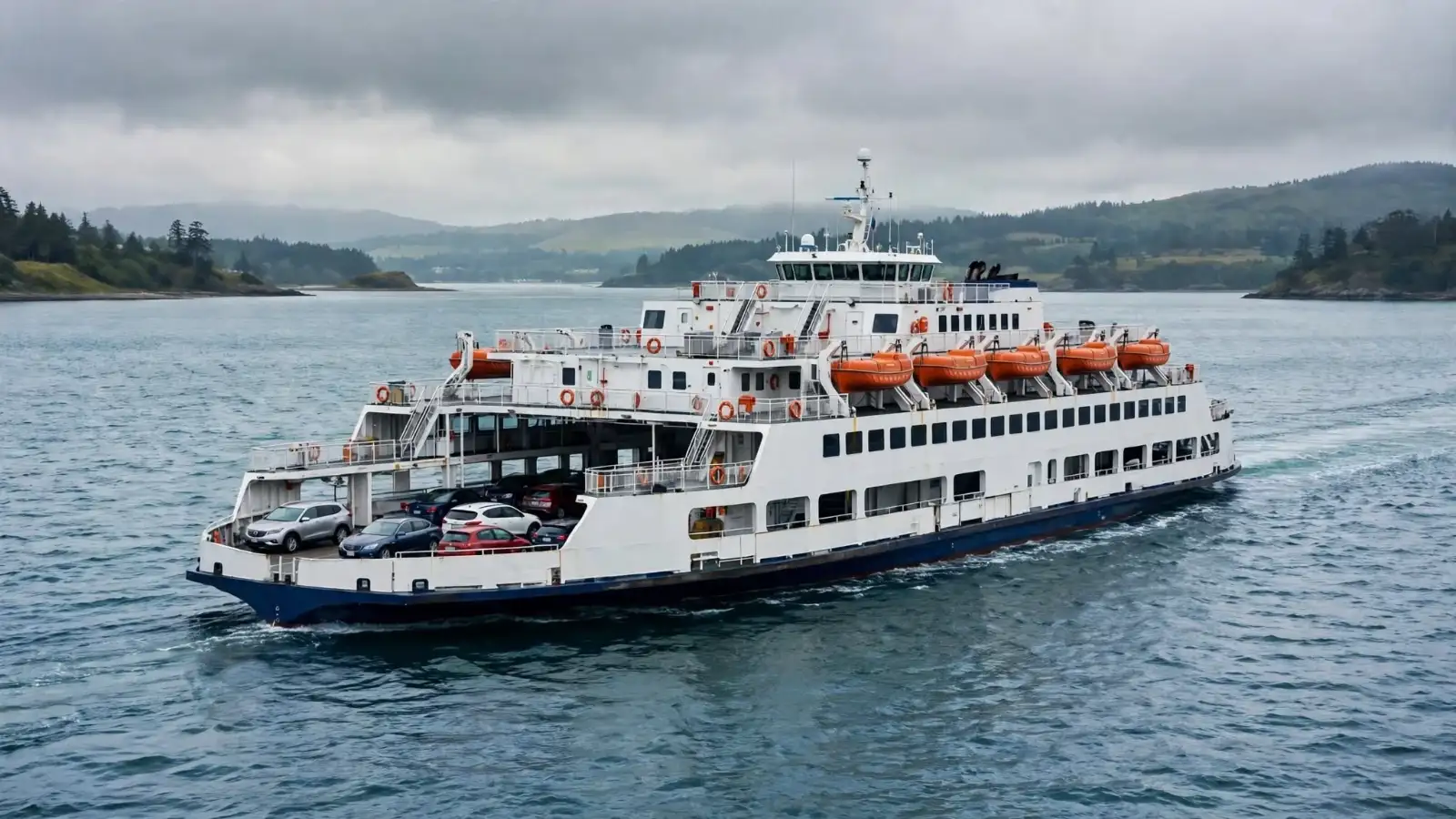
The bridge is particularly striking when viewed from the riverfront, where boats, ferries and waterfront activity provide a different perspective on the structure. Travellers can explore nearby areas such as the flower market around Mallick Ghat and take in the busy riverside atmosphere.
For a memorable experience, consider viewing the bridge at different times of day. Early mornings reveal the working rhythm of the riverfront, while evening light can create a dramatic setting for photography. Follow local traffic and pedestrian safety rules when visiting.
The original railway bridge became famous for its historic movable section, which could open to allow vessels to pass. A new railway bridge has also been developed as part of modernising the connection, so travellers should check current railway operations and visitor access before planning a visit.
The surrounding area offers views of the sea, fishing activity and the island landscape. Rather than treating the crossing only as a transport link, allow time to explore Rameswaram and its coastal surroundings.
The bridge forms part of the Udhampur-Srinagar-Baramulla Rail Link, which improves railway connectivity in the region. Its dramatic setting makes the surrounding area interesting for travellers who appreciate mountain engineering and scenic railway journeys.
Visitors should check local access arrangements before planning a visit specifically to see the bridge. It is an operational railway structure, so access to the tracks and restricted areas is not permitted.
Travellers can explore the surrounding riverfront and Bogibeel Ghat, where river tourism activities provide another way to experience the Brahmaputra. Depending on local availability, boat excursions can offer views of the waterway, riverbanks and nearby scenery.
The area is particularly appealing to visitors interested in the relationship between rivers, transport and life in Assam. Check local operators for current cruise schedules and departure arrangements before planning a boat trip.
The ferry ride provides views of the broad river, sandbanks and changing landscapes. Once on the island, visitors can explore its cultural traditions, villages and satras, which are important centres of Assamese Vaishnavite heritage.
Ferry schedules can be affected by water levels, weather and seasonal conditions. Confirm current services before travelling, allow extra time for connections and follow local safety instructions. A little flexibility is especially useful when planning onward transport from the landing point.
Unlike a large highway bridge, this suspension bridge offers a more intimate experience of crossing a river on foot. The elevated walkway allows visitors to appreciate the surrounding valley and flowing water while experiencing the movement of a suspended structure.
The bridge can be combined with a broader trip through the Idukki region. Check local access conditions before visiting, particularly during heavy rain or periods when water levels rise. Follow any restrictions in place and avoid overcrowding the walkway.
A boat ride can reveal how the river shapes daily life, religious traditions and the city's visual identity. Early morning excursions are popular for observing activity along the ghats, while evening rides offer a different atmosphere as the riverfront lights up.
Choose a licensed or reputable operator, confirm the route and price before boarding, and wear a life jacket where provided. River conditions and boat operations can vary, so follow the crew's instructions throughout the journey.
A ferry ride offers views of historic buildings, mosques, waterfront neighbourhoods and the city's bridges. It is also a practical way to travel between districts without relying entirely on road transport.
Visitors can choose a short public ferry journey or investigate longer Bosphorus excursions, depending on their interests and available time. Check the current timetable and ticket arrangements before boarding. For a memorable experience, travel during daylight and enjoy the changing views from the deck when conditions permit.
From the water, visitors can see temples, riverside hotels, traditional neighbourhoods and modern buildings. Some routes are useful for reaching major attractions, while others are better suited to enjoying the river scenery.
Check which service serves your destination, as boats can follow different routes and stop at different piers. Pay attention to the direction of travel and the final departure time if you are planning to return after sightseeing.
Unlike many sightseeing cruises, the ferry serves as a public transport connection. This makes it an interesting way to experience a working harbour while travelling between two parts of the city.
Check the official timetable before setting out, particularly if your visit depends on a specific departure. Keep clear of restricted areas on board, follow crew instructions and allow time for boarding procedures where applicable.
Check whether a bridge is open to pedestrians, whether boat services run throughout the day and whether tickets need to be booked in advance. Some crossings are purely transport infrastructure, while others have designated viewing areas or organised excursions.
Weather and river conditions can affect ferries, particularly in mountainous and remote regions. Keep a flexible schedule and avoid relying on the last service of the day when onward connections are limited.
If photography is a priority, research suitable public viewpoints rather than stopping on roadways or railway structures. Respect local restrictions and never enter operational or restricted areas for a better view.
Unique bridges, ferries and river crossings offer travellers a way to experience destinations from a different perspective. From the mighty Brahmaputra in Assam to the Bosphorus in Istanbul and the Chao Phraya in Bangkok, these routes reveal how waterways connect communities, shape cities and influence daily life. Plan ahead, check local services and treat the crossing as part of the journey. Sometimes, the most memorable travel experience is not simply reaching the other side, but seeing the landscape unfold along the way.
1. Howrah Bridge, Kolkata, India: An Iconic River Crossing
Howrah Bridge is one of Kolkata's most recognisable landmarks, spanning the Hooghly River and connecting the city with Howrah. Its impressive steel structure and constant movement of vehicles and pedestrians make it a fascinating place to observe urban life.The bridge is particularly striking when viewed from the riverfront, where boats, ferries and waterfront activity provide a different perspective on the structure. Travellers can explore nearby areas such as the flower market around Mallick Ghat and take in the busy riverside atmosphere.
For a memorable experience, consider viewing the bridge at different times of day. Early mornings reveal the working rhythm of the riverfront, while evening light can create a dramatic setting for photography. Follow local traffic and pedestrian safety rules when visiting.
2. Pamban Bridge , Tamil Nadu, India: A Railway Crossing Above the Sea
Pamban Bridge connects mainland Tamil Nadu with Rameswaram Island. The crossing is known for its maritime setting, with railway infrastructure surrounded by the waters of the Palk Strait.The original railway bridge became famous for its historic movable section, which could open to allow vessels to pass. A new railway bridge has also been developed as part of modernising the connection, so travellers should check current railway operations and visitor access before planning a visit.
The surrounding area offers views of the sea, fishing activity and the island landscape. Rather than treating the crossing only as a transport link, allow time to explore Rameswaram and its coastal surroundings.
3. Chenab Rail Bridge , Jammu and Kashmir, India: An Engineering Marvel
The Chenab Rail Bridge in Jammu and Kashmir is one of India's most remarkable railway structures. Built high above the Chenab River in the Himalayan region, its enormous steel arch rises across a deep mountain gorge, creating an impressive sight against the surrounding landscape.The bridge forms part of the Udhampur-Srinagar-Baramulla Rail Link, which improves railway connectivity in the region. Its dramatic setting makes the surrounding area interesting for travellers who appreciate mountain engineering and scenic railway journeys.
Visitors should check local access arrangements before planning a visit specifically to see the bridge. It is an operational railway structure, so access to the tracks and restricted areas is not permitted.
4. Bogibeel Bridge, Assam, India: A Crossing Over the Brahmaputra
Bogibeel Bridge, near Dibrugarh in Assam, carries both road and rail traffic across the Brahmaputra River. It is an important transport link in northeastern India and offers a striking view of the wide river landscape.Travellers can explore the surrounding riverfront and Bogibeel Ghat, where river tourism activities provide another way to experience the Brahmaputra. Depending on local availability, boat excursions can offer views of the waterway, riverbanks and nearby scenery.
The area is particularly appealing to visitors interested in the relationship between rivers, transport and life in Assam. Check local operators for current cruise schedules and departure arrangements before planning a boat trip.
5. Majuli, Assam, India: Experience River Travel to a River Island
Majuli, in the Brahmaputra River, offers a different kind of crossing experience. Travellers have traditionally relied on ferries to connect the island with the mainland, making the journey itself an important part of reaching the destination.The ferry ride provides views of the broad river, sandbanks and changing landscapes. Once on the island, visitors can explore its cultural traditions, villages and satras, which are important centres of Assamese Vaishnavite heritage.
Ferry schedules can be affected by water levels, weather and seasonal conditions. Confirm current services before travelling, allow extra time for connections and follow local safety instructions. A little flexibility is especially useful when planning onward transport from the landing point.
6. Ayyappan Kovil Hanging Bridge, Kerala, India: Walk Above the Periyar River
In Kerala's Idukki district, the Ayyappan Kovil Hanging Bridge crosses the Periyar River amid green hills and a landscape shaped by waterways and forested slopes.Unlike a large highway bridge, this suspension bridge offers a more intimate experience of crossing a river on foot. The elevated walkway allows visitors to appreciate the surrounding valley and flowing water while experiencing the movement of a suspended structure.
The bridge can be combined with a broader trip through the Idukki region. Check local access conditions before visiting, particularly during heavy rain or periods when water levels rise. Follow any restrictions in place and avoid overcrowding the walkway.
7. Varanasi, Uttar Pradesh, India: Explore the Ganges by Boat
Varanasi offers a river-crossing experience centred on traditional boats rather than a single bridge. Boats move along the Ganges, connecting visitors with different stretches of the riverfront and providing views of the city's famous ghats.A boat ride can reveal how the river shapes daily life, religious traditions and the city's visual identity. Early morning excursions are popular for observing activity along the ghats, while evening rides offer a different atmosphere as the riverfront lights up.
Choose a licensed or reputable operator, confirm the route and price before boarding, and wear a life jacket where provided. River conditions and boat operations can vary, so follow the crew's instructions throughout the journey.
8. Istanbul, Türkiye: Cross Continents by Ferry
Istanbul is an especially interesting destination for travellers fascinated by water crossings. The city lies on both sides of the Bosphorus, the strait separating Europe and Asia, and public ferries connect waterfront districts across the water.A ferry ride offers views of historic buildings, mosques, waterfront neighbourhoods and the city's bridges. It is also a practical way to travel between districts without relying entirely on road transport.
Visitors can choose a short public ferry journey or investigate longer Bosphorus excursions, depending on their interests and available time. Check the current timetable and ticket arrangements before boarding. For a memorable experience, travel during daylight and enjoy the changing views from the deck when conditions permit.
9. Bangkok, Thailand: Discover the Chao Phraya River Ferries
Bangkok's Chao Phraya River is both a transport route and a distinctive part of the city's identity. Public ferries and river boats connect different parts of the waterfront, offering an alternative to travelling through busy roads.From the water, visitors can see temples, riverside hotels, traditional neighbourhoods and modern buildings. Some routes are useful for reaching major attractions, while others are better suited to enjoying the river scenery.
Check which service serves your destination, as boats can follow different routes and stop at different piers. Pay attention to the direction of travel and the final departure time if you are planning to return after sightseeing.
10. New York City, United States: Take the Staten Island Ferry
The Staten Island Ferry offers one of New York City's best-known public water crossings. It connects Manhattan with Staten Island across New York Harbour and provides views of the city skyline, harbour activity and the Statue of Liberty from the water.Unlike many sightseeing cruises, the ferry serves as a public transport connection. This makes it an interesting way to experience a working harbour while travelling between two parts of the city.
Check the official timetable before setting out, particularly if your visit depends on a specific departure. Keep clear of restricted areas on board, follow crew instructions and allow time for boarding procedures where applicable.
How to Plan a Trip Around Bridges and River Crossings
Before visiting, decide whether you want to experience the crossing itself, photograph the structure or use it as a way to reach another destination. Each option may require different arrangements.Check whether a bridge is open to pedestrians, whether boat services run throughout the day and whether tickets need to be booked in advance. Some crossings are purely transport infrastructure, while others have designated viewing areas or organised excursions.
Weather and river conditions can affect ferries, particularly in mountainous and remote regions. Keep a flexible schedule and avoid relying on the last service of the day when onward connections are limited.
If photography is a priority, research suitable public viewpoints rather than stopping on roadways or railway structures. Respect local restrictions and never enter operational or restricted areas for a better view.
Unique bridges, ferries and river crossings offer travellers a way to experience destinations from a different perspective. From the mighty Brahmaputra in Assam to the Bosphorus in Istanbul and the Chao Phraya in Bangkok, these routes reveal how waterways connect communities, shape cities and influence daily life. Plan ahead, check local services and treat the crossing as part of the journey. Sometimes, the most memorable travel experience is not simply reaching the other side, but seeing the landscape unfold along the way.
Next Story