
8 Incredible Places Around the World to Witness the Magical Northern Lights

The Northern Lights, also known as the aurora borealis , are among the most spectacular natural phenomena in the world. Their colourful waves of green, pink, purple and occasionally red light dance across the night sky, creating an unforgettable sight. This natural display occurs when charged particles from the Sun interact with gases in Earth's atmosphere, particularly around the polar regions. Although the lights are not visible every night, certain destinations offer excellent opportunities to witness them under suitable conditions. From remote Arctic villages to snowy Scandinavian landscapes, here are eight places where travellers can experience this remarkable natural phenomenon.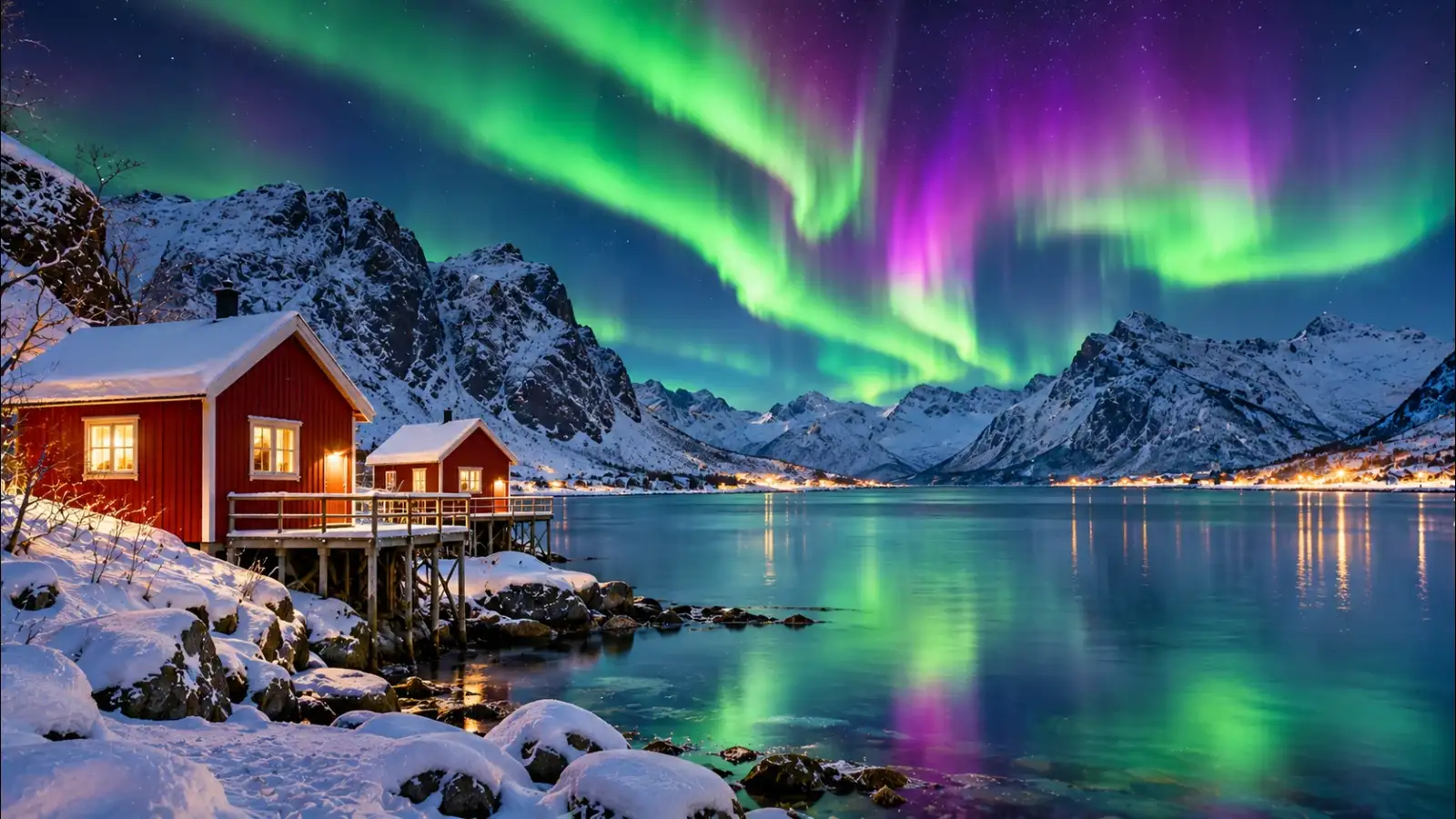
The Northern Lights season generally runs from September to early April. Visitors can join guided aurora tours, travel away from city lights or explore nearby countryside locations for better viewing conditions.
Tromsø also offers opportunities to experience Arctic activities such as dog sledding, reindeer encounters and scenic fjord excursions.
The area is particularly associated with the so-called blue hole phenomenon, where local weather conditions can sometimes leave a patch of clear sky even when surrounding areas are cloudy.
Visitors can explore Abisko National Park and, when conditions allow, watch the Northern Lights from the Aurora Sky Station.
The region offers snowy forests, frozen lakes and glass-roofed accommodation designed to provide views of the night sky. The aurora season usually extends from late August to early April, although visibility depends on darkness, cloud cover and solar activity.
Travellers can also enjoy snowmobile rides, traditional Finnish saunas and visits to Santa Claus Village.
Although the aurora can sometimes be seen from Reykjavik, travelling away from the city's artificial lights improves the viewing experience. Popular countryside areas include Thingvellir National Park and the surroundings of the Golden Circle.
The best viewing period is generally from September to April, when nights are sufficiently dark. Clear skies and favourable aurora activity are essential.
The aurora season generally runs from late August to April. Travellers often visit between September and March for opportunities to view the lights.
Beyond aurora watching, visitors can explore hot springs, snowy forests and the landscapes around the Arctic Circle.
The viewing season typically extends from late August to early April. Travellers can head to lakeside locations and designated viewing areas outside the city to escape artificial lighting.
During winter, the surrounding landscape becomes a beautiful setting for photography, ice activities and outdoor exploration.
The nearby village of Jukkasjärvi is home to the famous Icehotel, where visitors can experience accommodation and artwork created using ice and snow.
The Northern Lights are generally visible during the darker months, particularly from September to March, when weather and solar conditions are favourable.
Destinations such as Kangerlussuaq and Ilulissat are popular among travellers seeking an Arctic experience. Visitors may also explore glaciers, icebergs and traditional Greenlandic settlements.
The aurora season usually runs from late August to April, although local weather conditions can affect visibility.
For a better chance of seeing them:
1. Tromsø, Norway
Tromsø is one of the most popular destinations for Northern Lights travellers. Located above the Arctic Circle in northern Norway, the city offers access to dark skies, surrounding mountains and coastal landscapes.The Northern Lights season generally runs from September to early April. Visitors can join guided aurora tours, travel away from city lights or explore nearby countryside locations for better viewing conditions.
Tromsø also offers opportunities to experience Arctic activities such as dog sledding, reindeer encounters and scenic fjord excursions.
2. Abisko, Sweden
Abisko in northern Sweden is known for its Arctic scenery and opportunities to observe the aurora borealis. Its location near Lake Torneträsk and surrounding mountains creates a distinctive landscape for winter travel.The area is particularly associated with the so-called blue hole phenomenon, where local weather conditions can sometimes leave a patch of clear sky even when surrounding areas are cloudy.
Visitors can explore Abisko National Park and, when conditions allow, watch the Northern Lights from the Aurora Sky Station.
3. Rovaniemi, Finland
Rovaniemi, located in Finnish Lapland, is a popular destination for travellers looking to combine Northern Lights viewing with a winter holiday.The region offers snowy forests, frozen lakes and glass-roofed accommodation designed to provide views of the night sky. The aurora season usually extends from late August to early April, although visibility depends on darkness, cloud cover and solar activity.
Travellers can also enjoy snowmobile rides, traditional Finnish saunas and visits to Santa Claus Village.
4. Reykjavik and Surrounding Areas, Iceland
Iceland is a remarkable destination for Northern Lights enthusiasts because of its volcanic landscapes, waterfalls, glaciers and open countryside.Although the aurora can sometimes be seen from Reykjavik, travelling away from the city's artificial lights improves the viewing experience. Popular countryside areas include Thingvellir National Park and the surroundings of the Golden Circle.
The best viewing period is generally from September to April, when nights are sufficiently dark. Clear skies and favourable aurora activity are essential.
5. Fairbanks, Alaska, USA
Fairbanks is one of the well-known Northern Lights destinations in North America. Located in Alaska's interior, it offers long, dark winter nights and access to areas away from urban lighting.The aurora season generally runs from late August to April. Travellers often visit between September and March for opportunities to view the lights.
Beyond aurora watching, visitors can explore hot springs, snowy forests and the landscapes around the Arctic Circle.
6. Yellowknife, Canada
Yellowknife, the capital of Canada's Northwest Territories, is famous for its Northern Lights viewing opportunities. Its location beneath the auroral oval and relatively dry climate can provide favourable conditions during parts of the year.The viewing season typically extends from late August to early April. Travellers can head to lakeside locations and designated viewing areas outside the city to escape artificial lighting.
During winter, the surrounding landscape becomes a beautiful setting for photography, ice activities and outdoor exploration.
7. Kiruna, Sweden
Kiruna is another excellent destination in Swedish Lapland for travellers interested in the aurora borealis. Located well above the Arctic Circle, it offers access to open landscapes, snowy forests and remote viewing spots.The nearby village of Jukkasjärvi is home to the famous Icehotel, where visitors can experience accommodation and artwork created using ice and snow.
The Northern Lights are generally visible during the darker months, particularly from September to March, when weather and solar conditions are favourable.
8. Greenland
Greenland offers a remote and dramatic setting for Northern Lights viewing. Its vast Arctic landscapes, small settlements and limited artificial lighting create opportunities to observe the aurora away from major urban areas.Destinations such as Kangerlussuaq and Ilulissat are popular among travellers seeking an Arctic experience. Visitors may also explore glaciers, icebergs and traditional Greenlandic settlements.
The aurora season usually runs from late August to April, although local weather conditions can affect visibility.
When Is the Best Time to See the Northern Lights?
The Northern Lights are most commonly observed during the darker months, generally between September and April in many Arctic destinations. However, the exact season varies depending on location and local daylight conditions.For a better chance of seeing them:
- Choose a destination with long, dark nights.
- Check local aurora forecasts before planning an outing.
- Look for clear skies and low cloud cover.
- Travel away from city lights whenever possible.
- Stay for several nights rather than relying on a single viewing opportunity.
- Wear warm, layered clothing, particularly during winter trips.
Next Story