
Planning A Long Road Trip With Your Dog? Follow These Tips To Make The Journey Comfortable

Taking your dog on a long car journey requires more preparation than simply putting a leash on and heading out. While some dogs enjoy watching the world pass by, others may become anxious, restless or experience travel sickness. An unfamiliar vehicle, engine noise and extended periods of sitting can make the experience uncomfortable, particularly for pets that rarely travel.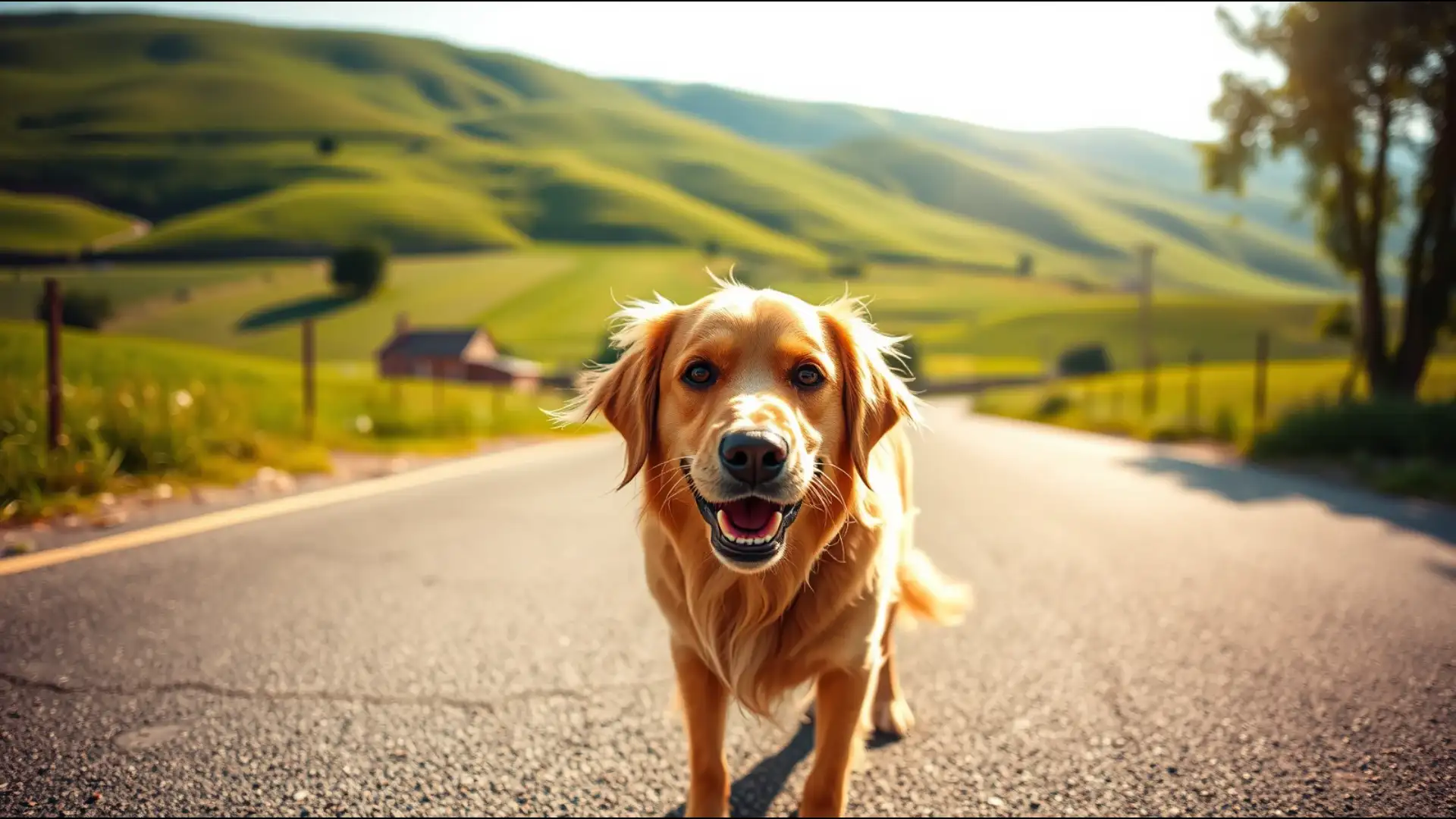
A little preparation can help your dog adjust to the experience. From short practice drives to planning rest stops, a few sensible steps can make travelling easier for everyone.
Once your pet feels comfortable, take a few short drives around the neighbourhood. Gradually increase the journey duration over several days or weeks. This process can help reduce anxiety and build familiarity with the vehicle.
Choose a well-ventilated spot where your dog has enough room to sit or lie down comfortably. Carry its familiar blanket or bedding to make the space feel less unfamiliar.
Avoid introducing unfamiliar treats or food during the trip. Keep fresh drinking water available and offer it regularly, particularly during warmer weather. If your dog has a history of motion sickness, consult a veterinarian before travelling about suitable treatment options.
During these breaks, allow your dog to walk on a leash, drink water and use a designated toilet area. Avoid busy roads and unfamiliar locations where your pet could become frightened or escape.
Never leave your dog unattended inside a parked car, even with the windows slightly open. Temperatures inside vehicles can rise dangerously quickly.
Before departure, check that your dog is healthy enough for the journey. Puppies, senior dogs and pets with existing health conditions may need additional precautions. Speak to your veterinarian if you have concerns about travelling.
A successful road trip depends on understanding your dog's needs rather than rushing towards the destination. With gradual training, secure arrangements and regular breaks, you can make a long car journey a more comfortable experience for your four-legged companion.
A little preparation can help your dog adjust to the experience. From short practice drives to planning rest stops, a few sensible steps can make travelling easier for everyone.
Get Your Dog Used To The Car Gradually
If your dog is not accustomed to car travel, avoid making its first experience a lengthy road trip. Start by allowing it to explore the parked vehicle with the doors open. Reward calm behaviour with treats and praise so that it begins associating the car with something positive.Once your pet feels comfortable, take a few short drives around the neighbourhood. Gradually increase the journey duration over several days or weeks. This process can help reduce anxiety and build familiarity with the vehicle.
Arrange A Safe And Comfortable Travel Space
Your dog's safety should be a priority during a long drive. Use a properly secured travel crate or a crash-tested dog car harness attached according to the manufacturer's instructions. Never allow your pet to roam freely inside the vehicle, as sudden braking can cause serious injuries.Choose a well-ventilated spot where your dog has enough room to sit or lie down comfortably. Carry its familiar blanket or bedding to make the space feel less unfamiliar.
Plan Meals Before Setting Off
Feeding your dog immediately before departure may increase the likelihood of travel sickness. Consider giving it a light meal a few hours before the journey, depending on its usual feeding routine and individual needs.Avoid introducing unfamiliar treats or food during the trip. Keep fresh drinking water available and offer it regularly, particularly during warmer weather. If your dog has a history of motion sickness, consult a veterinarian before travelling about suitable treatment options.
Schedule Regular Breaks Along The Route
Dogs need opportunities to stretch, exercise and relieve themselves during extended journeys. Plan stops approximately every two hours, adjusting the frequency according to your pet's age, health and individual requirements.During these breaks, allow your dog to walk on a leash, drink water and use a designated toilet area. Avoid busy roads and unfamiliar locations where your pet could become frightened or escape.
Never leave your dog unattended inside a parked car, even with the windows slightly open. Temperatures inside vehicles can rise dangerously quickly.
Carry Essential Supplies And Check Your Dog's Health
Prepare a separate travel bag containing your dog's regular food, water, bowls, leash, harness, waste bags, medication and vaccination records. Familiar toys and a blanket can also help your pet remain settled.Before departure, check that your dog is healthy enough for the journey. Puppies, senior dogs and pets with existing health conditions may need additional precautions. Speak to your veterinarian if you have concerns about travelling.
A successful road trip depends on understanding your dog's needs rather than rushing towards the destination. With gradual training, secure arrangements and regular breaks, you can make a long car journey a more comfortable experience for your four-legged companion.
Next Story