
Planning Diwali or Family Gatherings? Create a Practical Celebration Budget

Festivals and family gatherings bring people together through food, gifts, decorations and shared traditions. However, the expenses associated with these occasions can grow quickly, particularly when several celebrations fall within the same month. New clothes, sweets, travel, gifts and last-minute shopping may seem manageable individually, but their combined cost can strain household finances. A practical festival budget helps you enjoy these occasions without relying on credit or sacrificing money set aside for essential needs. The key is not to make celebrations less meaningful, but to decide in advance how much you can comfortably spend and where that money will make the greatest difference.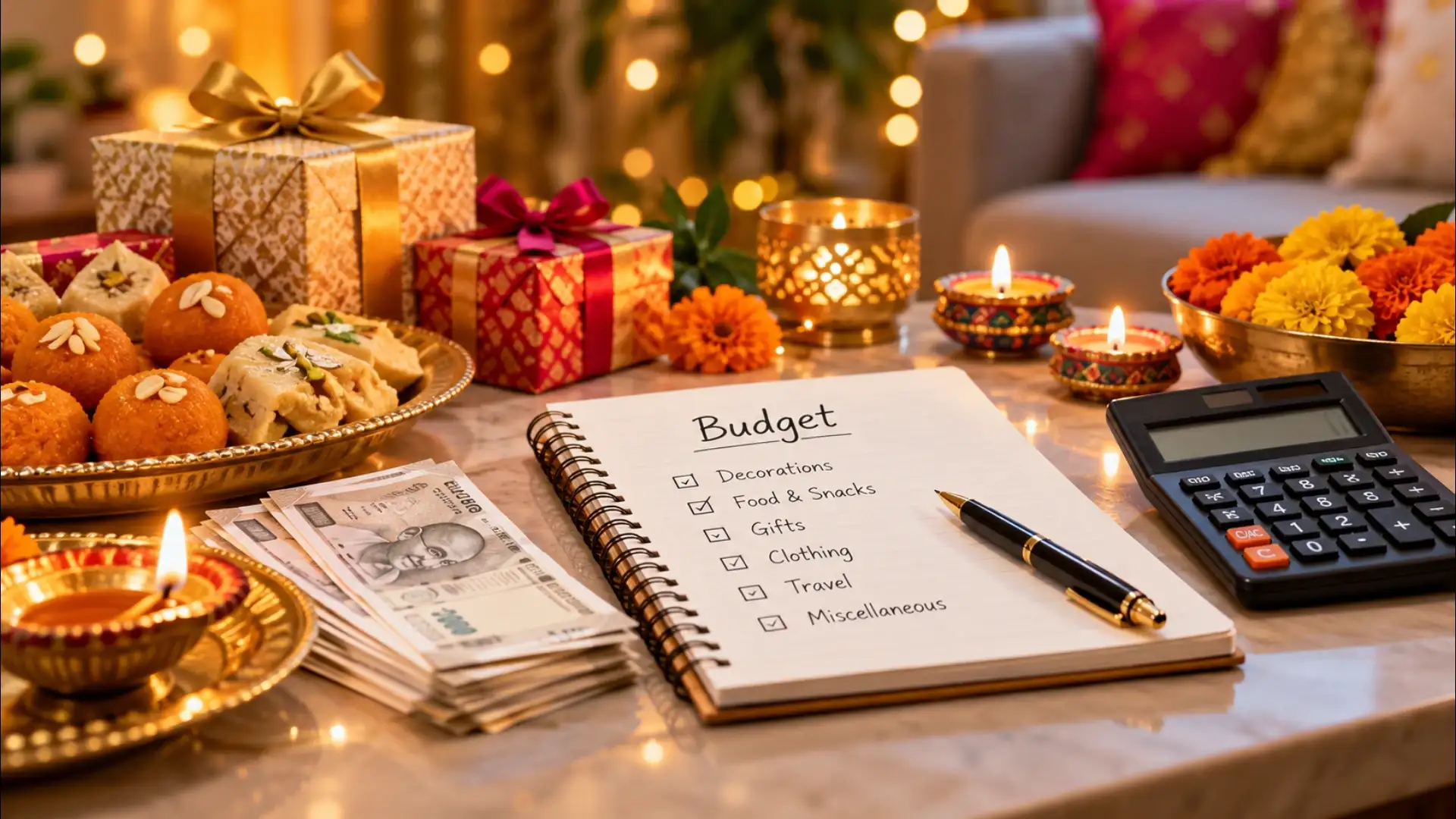
For example, if you can comfortably allocate ₹10,000 to a festival, treat that as your overall limit rather than a starting point. This amount should cover shopping, food, gifts, decorations and any travel associated with the occasion.
Avoid using money reserved for rent, school fees, essential bills or emergency savings to increase the celebration budget.
The proportions will depend on your priorities. A family hosting relatives may need to spend more on food, while someone travelling home may allocate more to transport.
Keep a small reserve for unexpected costs, such as additional guests or last-minute household supplies. This can help prevent minor surprises from disrupting the entire budget.
Thoughtful gifts do not have to be expensive. Homemade food, books, practical household items or shared experiences may be more appropriate than costly presents.
Compare prices across sellers before buying, and examine delivery charges and return conditions rather than focusing only on advertised discounts.
Reusable decorations, existing serving dishes and simple lighting arrangements can also reduce costs without making the occasion feel less festive.
If relatives are comfortable contributing, sharing a dish or organising a joint meal can make hosting easier and more affordable.
If one category exceeds its allocation, adjust another discretionary category rather than automatically increasing the total budget.
A practical festival budget allows you to enjoy traditions without carrying unnecessary financial stress into the following month. Planning ahead, comparing prices and prioritising experiences over expensive purchases can make celebrations more manageable. The purpose of budgeting is not to measure the value of a festival in money spent. It is to ensure that the memories you create today do not become financial pressure tomorrow.
Decide Your Total Festival Budget First
Before purchasing anything, work out the amount you can afford to spend across all planned celebrations. Consider your regular household bills, savings commitments and upcoming expenses before deciding on a figure.For example, if you can comfortably allocate ₹10,000 to a festival, treat that as your overall limit rather than a starting point. This amount should cover shopping, food, gifts, decorations and any travel associated with the occasion.
Avoid using money reserved for rent, school fees, essential bills or emergency savings to increase the celebration budget.
Divide the Money Into Categories
Once you have established your total, divide it into practical categories. You might allocate separate amounts for groceries and sweets, clothing, gifts, decorations and travel.The proportions will depend on your priorities. A family hosting relatives may need to spend more on food, while someone travelling home may allocate more to transport.
Keep a small reserve for unexpected costs, such as additional guests or last-minute household supplies. This can help prevent minor surprises from disrupting the entire budget.
Plan Gifts and Shopping Early
Last-minute shopping can lead to rushed decisions and expensive purchases. Make a list of the people you intend to buy gifts for and decide on a reasonable amount for each.Thoughtful gifts do not have to be expensive. Homemade food, books, practical household items or shared experiences may be more appropriate than costly presents.
Compare prices across sellers before buying, and examine delivery charges and return conditions rather than focusing only on advertised discounts.
Manage Food and Decoration Costs
Food often represents a substantial part of festival spending, particularly when several relatives visit. Planning the menu in advance can help you buy only the ingredients required and make better use of what you already have at home.Reusable decorations, existing serving dishes and simple lighting arrangements can also reduce costs without making the occasion feel less festive.
If relatives are comfortable contributing, sharing a dish or organising a joint meal can make hosting easier and more affordable.
Track Spending During the Celebration
Keep a simple record of expenses as you go. A phone note or a weekly review of digital payments may be enough to show whether you are approaching your limit.If one category exceeds its allocation, adjust another discretionary category rather than automatically increasing the total budget.
A practical festival budget allows you to enjoy traditions without carrying unnecessary financial stress into the following month. Planning ahead, comparing prices and prioritising experiences over expensive purchases can make celebrations more manageable. The purpose of budgeting is not to measure the value of a festival in money spent. It is to ensure that the memories you create today do not become financial pressure tomorrow.
Next Story