
Plant-Based Diet: Proven Benefits, Common Myths, and Delicious Meal Ideas

In recent years, plant-based diets have gained popularity among health enthusiasts, environmentalists, and even athletes. But what does “plant-based” really mean? Simply put, it’s a way of eating that prioritizes foods from plants—fruits, vegetables, grains, legumes, nuts, and seeds—while minimizing or eliminating animal products. This diet isn’t just a fad; research shows it can significantly enhance health and reduce disease risk.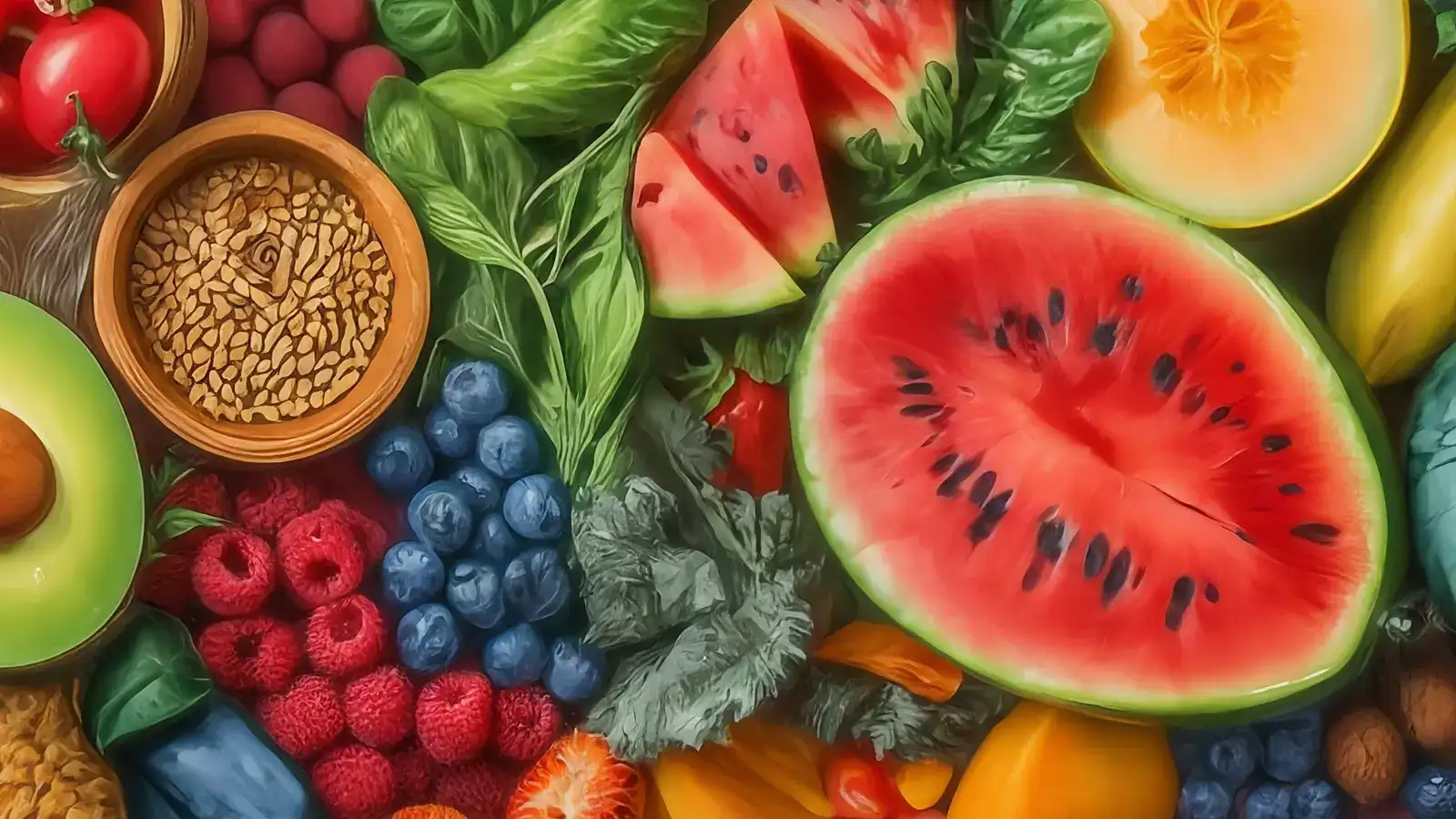
2. What Is a Plant-Based Diet ?
A plant-based diet doesn't always mean you're 100% vegan. It emphasizes plant foods but can be flexible:
3. Health Benefits Backed by Science
A plant-based diet offers several well-researched health benefits:
4. Environmental and Ethical Considerations
Beyond personal health, plant-based eating has a smaller environmental footprint. Producing plant foods uses fewer natural resources and emits fewer greenhouse gases than animal agriculture. It also supports animal welfare by reducing the demand for meat, dairy, and eggs.
5. Common Myths About Plant-Based Diets
Let’s clear up a few misconceptions:
6. Key Nutrients to Watch For
When eating plant-based, it’s important to be mindful of the following nutrients:
7. Simple and Delicious Plant-Based Meal Ideas
Breakfast:
Oatmeal with almond milk, bananas, chia seeds, and cinnamon
Avocado toast with cherry tomatoes and hemp seeds
Lunch:
Chickpea salad sandwich with lettuce, tomatoes, and whole grain bread
Buddha bowl with quinoa, roasted veggies, black beans, and tahini dressing
Dinner:
Stir-fried tofu with broccoli, peppers, and brown rice
Lentil curry with whole grain roti or basmati rice
Snacks:
Hummus with raw veggie sticks
Fruit smoothie with flaxseed and spinach
8. Tips for Transitioning to a Plant-Based Diet
9. Common Challenges and How to Overcome Them
10. Conclusion: Plant-Based Living Is a Journey, Not a Restriction
A plant-based diet is more than a meal plan—it’s a lifestyle that promotes health, sustainability, and mindful eating. Whether you go fully vegan or simply eat more plants, the benefits are undeniable. With the right approach, a plant-based lifestyle can be delicious, energizing, and deeply fulfilling.
2. What Is a Plant-Based Diet ?
A plant-based diet doesn't always mean you're 100% vegan. It emphasizes plant foods but can be flexible:
- Whole-food plant-based (WFPB): Focuses on whole, unprocessed plant foods.
- Flexitarian: Primarily plant-based but occasionally includes meat or dairy.
- Vegan: Excludes all animal products. The core idea is to make plant foods the foundation of your meals, whether or not you choose to include animal-derived items occasionally.
3. Health Benefits Backed by Science
A plant-based diet offers several well-researched health benefits:
- Heart health: Reduces risk of cardiovascular disease by lowering blood pressure, cholesterol, and inflammation.
- Weight management: Often lower in calories and higher in fiber, which helps with satiety and weight control.
- Reduced risk of chronic illness: Studies link plant-based eating to lower risks of type 2 diabetes, certain cancers, and kidney disease.
- Improved digestion: High-fiber content supports gut health and regular bowel movements.
- Boosted immunity: Nutrient-rich plant foods support a strong immune system.
4. Environmental and Ethical Considerations
Beyond personal health, plant-based eating has a smaller environmental footprint. Producing plant foods uses fewer natural resources and emits fewer greenhouse gases than animal agriculture. It also supports animal welfare by reducing the demand for meat, dairy, and eggs.
You may also like
- This country is paying people to read books for 15 minutes: Here's how the scheme works and why it was launched
- Where the red never fades
- Why do Princess Catherine and Prince William have a strict 'no shouting' rule for their children?
- FSSAI Takes Action Against Nestlé India Over Infant Formula Claims and Biotin Levels
- Tamannaah Bhatia's Aadhaar Card Photo Goes Viral, Fans React to Her Picture
5. Common Myths About Plant-Based Diets
Let’s clear up a few misconceptions:
- Myth: You won’t get enough protein
- Truth: Plant-based proteins like lentils, tofu, beans, quinoa, and nuts can meet your needs.
- Myth: It’s too expensive
- Truth: Whole plant foods like rice, beans, and seasonal vegetables are among the most affordable grocery items.
- Myth: It's hard to stick to
- Truth: With proper planning, plant-based meals can be easy, flavorful, and satisfying.
- Myth: You’ll be nutrient-deficient
- Truth: With variety and attention to key nutrients like B12, iron, and omega-3s, a plant-based diet can be nutritionally complete.
6. Key Nutrients to Watch For
When eating plant-based, it’s important to be mindful of the following nutrients:
- Vitamin B12: Found in fortified foods or supplements
- Iron: Found in lentils, tofu, spinach; pairing with vitamin C improves absorption
- Calcium: Available in fortified plant milks and leafy greens
- Omega-3 fatty acids: Found in flaxseeds, chia seeds, and walnuts
- Protein: Beans, legumes, tempeh, quinoa, and soy products are great sources
7. Simple and Delicious Plant-Based Meal Ideas
Breakfast:
Oatmeal with almond milk, bananas, chia seeds, and cinnamon
Avocado toast with cherry tomatoes and hemp seeds
Lunch:
Chickpea salad sandwich with lettuce, tomatoes, and whole grain bread
Buddha bowl with quinoa, roasted veggies, black beans, and tahini dressing
Dinner:
Stir-fried tofu with broccoli, peppers, and brown rice
Lentil curry with whole grain roti or basmati rice
Snacks:
Hummus with raw veggie sticks
Fruit smoothie with flaxseed and spinach
8. Tips for Transitioning to a Plant-Based Diet
- Start slow: Begin with meatless Mondays or one plant-based meal per day
- Experiment: Try new vegetables, grains, and plant-based proteins
- Plan meals ahead: Reduces temptation to rely on processed or convenience foods
- Find substitutes: Use almond milk instead of dairy, or lentils instead of ground beef
9. Common Challenges and How to Overcome Them
- Dining out: Look for restaurants with vegan-friendly options or customize orders
- Social situations: Let hosts know your preferences in advance
- Nutritional concerns: Work with a dietitian if needed to ensure balance
- Taste and cravings: Flavor your meals with herbs, spices, and healthy fats to make them satisfying
10. Conclusion: Plant-Based Living Is a Journey, Not a Restriction
A plant-based diet is more than a meal plan—it’s a lifestyle that promotes health, sustainability, and mindful eating. Whether you go fully vegan or simply eat more plants, the benefits are undeniable. With the right approach, a plant-based lifestyle can be delicious, energizing, and deeply fulfilling.






Loving Newspoint? Download the app now
