
8 Plants That Grow Well in Sandy Soil and Can Thrive With Less Water

Gardening in sandy soil can be challenging because it drains water quickly and does not retain nutrients as effectively as heavier soil types. However, this does not mean you cannot create a beautiful and healthy garden. Several plants naturally grow in sandy conditions and can tolerate relatively dry surroundings once established. Many of them have adapted to loose soil, limited moisture and good drainage, making them suitable for gardens where other plants may struggle. Choosing the right varieties can reduce maintenance and help you make better use of your outdoor space. Here are eight plants that can grow successfully in sandy soil.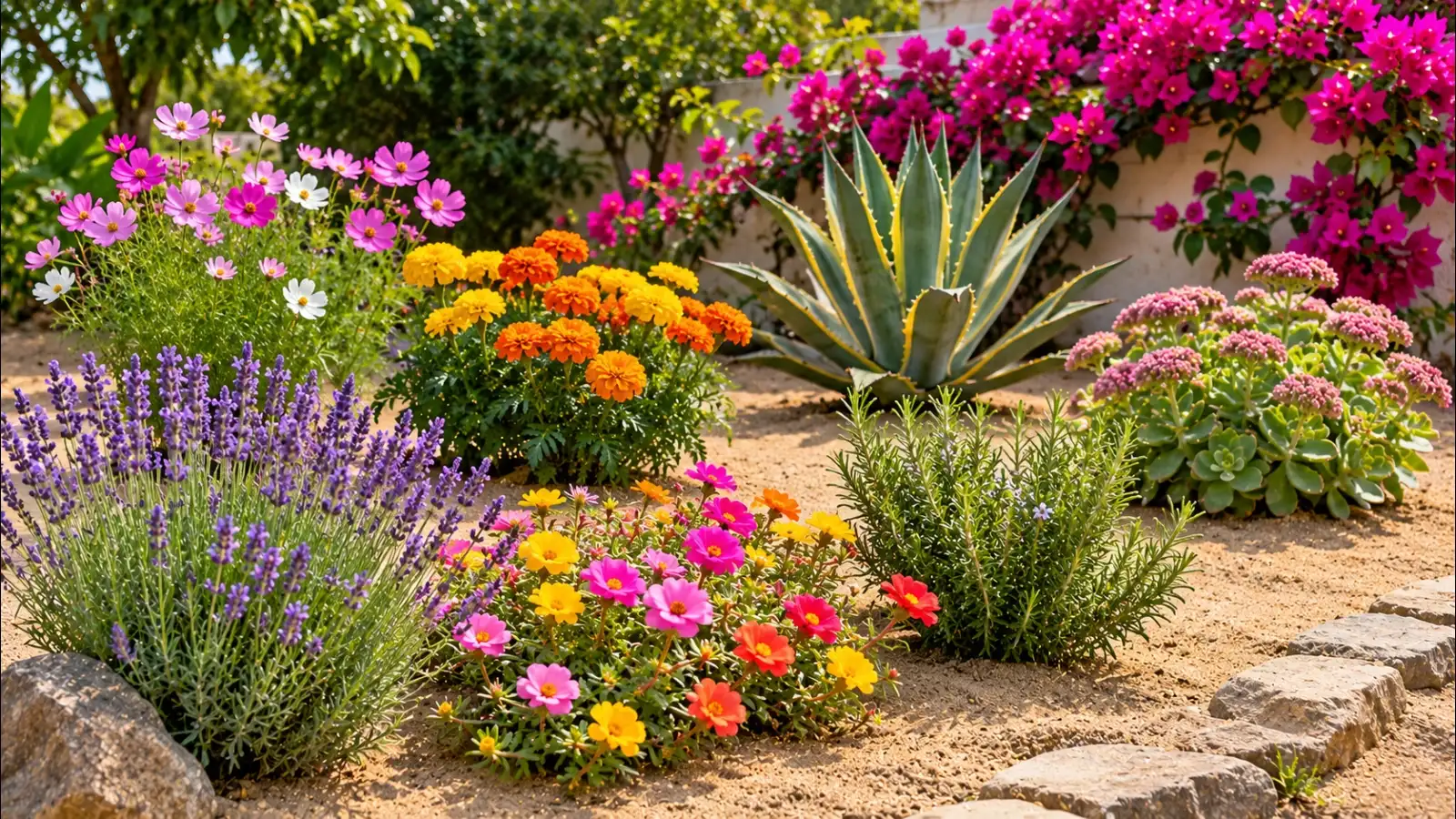
Sandy soil suits lavender because it allows excess water to drain away quickly. The plant prefers full sunlight and does not require frequent watering once established. Avoid adding too much fertiliser, as overly rich soil can encourage leafy growth at the expense of flowers.
It requires plenty of sunlight and moderate watering. Allow the soil to dry slightly between watering sessions to prevent root problems. Rosemary can be grown in garden beds or containers and is also useful in cooking.
The plant produces attractive flowers in shades of pink, yellow, orange, red and white. It is particularly suitable for borders, rock gardens and containers. Give it plenty of sunlight and avoid keeping the roots constantly wet.
Once established, bougainvillea can tolerate relatively dry conditions. It is suitable for garden walls, fences and outdoor structures. Regular pruning helps maintain its shape, while excessive watering and fertilising should be avoided if you want better flowering.
Its ability to store water makes it suitable for gardens that receive limited rainfall. Agave generally needs bright sunlight and excellent drainage. Some varieties have sharp leaf edges or tips, so plant them away from walkways and areas where children or pets regularly play.
They need plenty of sunlight and regular watering while young. Since sandy soil dries quickly, check its moisture during hot weather. Adding compost before planting can improve nutrient availability and support healthier flowering.
The plant prefers full sunlight and generally needs less fertiliser than many other flowering varieties. In fact, overly rich soil can encourage excessive foliage and fewer flowers. Cosmos is a good choice for informal gardens and open flower beds.
Depending on the variety, sedum can grow as a low ground cover or a taller flowering plant. It is particularly useful for rock gardens, container arrangements and dry garden borders. Choose a variety suited to your local climate and provide plenty of sunlight.
1. Lavender
Lavender is a popular flowering plant known for its fragrant purple blooms and silvery-green foliage. It naturally grows in Mediterranean conditions, where well-drained and relatively poor soil is common.Sandy soil suits lavender because it allows excess water to drain away quickly. The plant prefers full sunlight and does not require frequent watering once established. Avoid adding too much fertiliser, as overly rich soil can encourage leafy growth at the expense of flowers.
2. Rosemary
Rosemary is an aromatic herb that grows well in loose, well-drained soil. Its woody stems and narrow leaves help it tolerate relatively dry conditions, making it a useful choice for sandy gardens.It requires plenty of sunlight and moderate watering. Allow the soil to dry slightly between watering sessions to prevent root problems. Rosemary can be grown in garden beds or containers and is also useful in cooking.
3. Portulaca
Portulaca, also called moss rose, is a colourful flowering plant that performs well in sandy soil and sunny locations. Its fleshy leaves help it store moisture, allowing it to tolerate periods of dry weather.The plant produces attractive flowers in shades of pink, yellow, orange, red and white. It is particularly suitable for borders, rock gardens and containers. Give it plenty of sunlight and avoid keeping the roots constantly wet.
4. Bougainvillea
Bougainvillea is a hardy ornamental plant that can grow in sandy soil, provided it receives sufficient sunlight and has suitable drainage. Its colourful display comes from modified leaves called bracts, which surround its small flowers.Once established, bougainvillea can tolerate relatively dry conditions. It is suitable for garden walls, fences and outdoor structures. Regular pruning helps maintain its shape, while excessive watering and fertilising should be avoided if you want better flowering.
You may also like
- Visa guide for Winter Intake 2027: Documents, application timelines and key requirements students planning to study abroad should know
- Why Is Shani Pradosha Considered So Powerful?
- Astrological Insights: December 2026 Brings Major Planetary Changes Affecting Five Zodiac Signs
- Advika Kasliwal began 'Planting Hopes' as a home-gardening effort during lockdown; it has reached more than 5,000 people, supported 800 low-income families, run 50 workshops and taken nutrition education into 25 schools
- PPF Rules: If you are planning to withdraw money from your Public Provident Fund (PPF) account, avoid these common mistakes.
5. Agave
Agave is a drought-tolerant succulent known for its thick, pointed leaves arranged in a rosette. Many varieties naturally grow in dry environments with loose, sandy or rocky soil.Its ability to store water makes it suitable for gardens that receive limited rainfall. Agave generally needs bright sunlight and excellent drainage. Some varieties have sharp leaf edges or tips, so plant them away from walkways and areas where children or pets regularly play.
6. Marigold
Marigolds are cheerful flowering plants that can grow in sandy soil when it is enriched with some organic matter. They are widely grown in Indian gardens because of their bright yellow and orange flowers.They need plenty of sunlight and regular watering while young. Since sandy soil dries quickly, check its moisture during hot weather. Adding compost before planting can improve nutrient availability and support healthier flowering.
7. Cosmos
Cosmos is an easy-to-grow flowering plant that can thrive in relatively poor, well-drained soil, including sandy conditions. It produces delicate flowers in shades of pink, white, purple and orange.The plant prefers full sunlight and generally needs less fertiliser than many other flowering varieties. In fact, overly rich soil can encourage excessive foliage and fewer flowers. Cosmos is a good choice for informal gardens and open flower beds.
8. Sedum
Sedum, commonly known as stonecrop, is a group of succulent plants that includes many varieties suitable for sandy and rocky soil. Its fleshy leaves store water, helping it withstand dry conditions.Depending on the variety, sedum can grow as a low ground cover or a taller flowering plant. It is particularly useful for rock gardens, container arrangements and dry garden borders. Choose a variety suited to your local climate and provide plenty of sunlight.
Tips for Growing Plants Successfully in Sandy Soil
- Add compost or well-rotted organic matter to improve the soil's ability to retain moisture and nutrients.
- Use mulch around plants to reduce water loss during hot weather.
- Water newly planted varieties regularly until their roots become established.
- Choose plants according to the amount of sunlight your garden receives.
- Avoid excessive watering, especially for succulents and Mediterranean herbs.
- Use suitable fertiliser in moderate quantities when plants show signs of nutrient deficiency.
- Check the soil's moisture regularly because sandy soil can dry out quickly.






Loving Newspoint? Download the app now
