
Why Do Plants “Sleep” at Night? The Fascinating Science Behind It

Have you ever stepped into your garden at dusk and noticed that your favorite flowers look completely different than they did at midday? Many garden species fold their leaves tightly or close up their colorful petals as soon as the sun goes down. This fascinating botanical phenomenon is scientifically known as nyctinasty, or sleeping movements.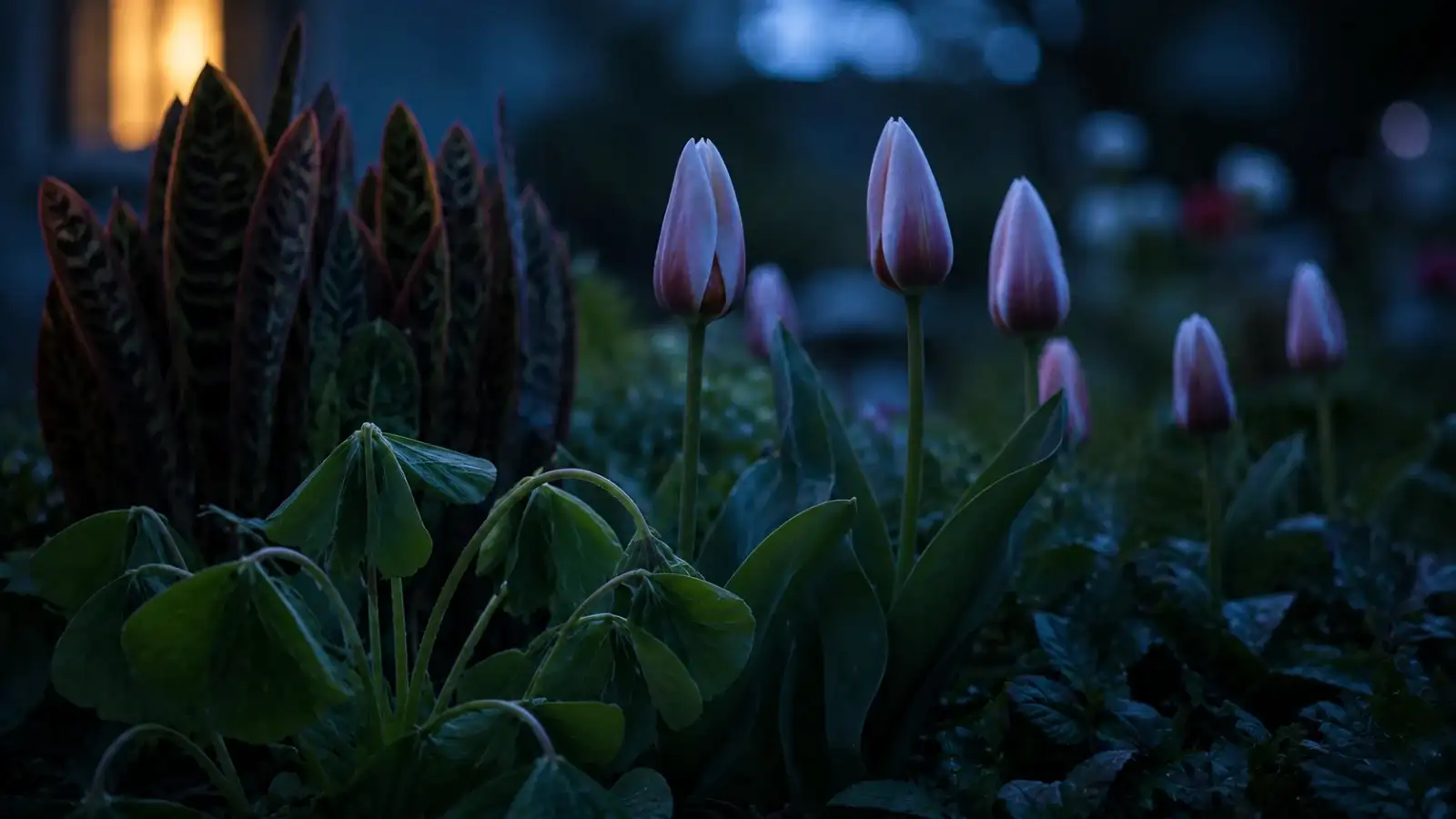
Just like humans and animals, plants possess internal circadian rhythms that dictate their daily physical behaviors over a twenty-four-hour period. Rather than relying on muscles, garden vegetation uses clever hydraulic changes within specialized cell joints to fold leaves and petals shut. Watching your garden drift off to rest offers an enchanting look into the active life of sleeping garden plants.
The Mechanical Secrets Behind Folding Garden Leaves
The physical mechanism behind plant sleep movements relies on precise water pressure shifts inside specialized plant tissue structures called pulvini. Located right at the base of leaves and flower stems, these flexible cell clusters act like tiny hydraulic pumps. As sunlight fades, light-sensitive pigments inside the foliage signal the plant to pump potassium ions and water out of upper cells and into lower cells.
This sudden change in fluid pressure causes the leaf stem to lose structural rigidity, allowing the leaves to droop gracefully downward or fold tightly together. When morning light returns, the process reverses instantly, pumping water back up to lift leaves toward the morning sun.
Protecting Delicate Foliage and Preserving Moisture
Botanists have debated why garden plants sleep for centuries, and several practical survival benefits explain this nighttime habit. Folding leaves vertically during cool night hours creates a protective barrier that reduces heat loss, helping tender tropical species survive chilly evening temperatures.
Additionally, drooping leaves prevent heavy night dew from settling directly on foliage surfaces, which significantly lowers the risk of fungal infections and leaf rot. Closing up tight also shields delicate pollen from getting washed away by damp night air, ensuring that flowers keep their pollen dry and attractive for daylight insect pollinators like bees and butterflies.
Deterring Night Predators and Nocturnal Herbivores
Beyond temperature control and moisture management, sleeping movements serve as an effective defensive strategy against hungry nocturnal pests. When garden plants fold their leaves downwards, they present a significantly smaller physical outline to roaming caterpillars, snails, and night-feeding insects.
A folded leaf is much harder for hungry pests to land on or chew easily. Furthermore, drooping foliage exposes the unappetizing, tough undersides of stems rather than soft upper leaves. By changing their physical shape after dark, garden plants disguise themselves in the shadows, lowering the chances of getting eaten while the rest of the world rests.
Famous Garden Species That Rest After Dark
You do not need an exotic glasshouse to witness sleeping plant rhythms in person. Many common backyard varieties exhibit dramatic nighttime transformations daily. Prayer plants are famous for folding their patterned leaves straight up like hands raised in prayer every evening. Legumes like sweet peas, clover, and bush beans drop their leaves into neat vertical pairs as twilight approaches.
Beautiful flowering species such as tulips, poppies, and water lilies close their delicate petals tightly overnight to protect reproductive organs. Adding these reactive species to your borders creates a dynamic, living landscape that moves continuously from sunrise to sunset.
Just like humans and animals, plants possess internal circadian rhythms that dictate their daily physical behaviors over a twenty-four-hour period. Rather than relying on muscles, garden vegetation uses clever hydraulic changes within specialized cell joints to fold leaves and petals shut. Watching your garden drift off to rest offers an enchanting look into the active life of sleeping garden plants.
The Mechanical Secrets Behind Folding Garden Leaves
The physical mechanism behind plant sleep movements relies on precise water pressure shifts inside specialized plant tissue structures called pulvini. Located right at the base of leaves and flower stems, these flexible cell clusters act like tiny hydraulic pumps. As sunlight fades, light-sensitive pigments inside the foliage signal the plant to pump potassium ions and water out of upper cells and into lower cells.
This sudden change in fluid pressure causes the leaf stem to lose structural rigidity, allowing the leaves to droop gracefully downward or fold tightly together. When morning light returns, the process reverses instantly, pumping water back up to lift leaves toward the morning sun.
You may also like
- Do fruits lose their nutrients when kept in the refrigerator? For how many days is it right to store them?
- What Happens to Your Body When You Quit Sugar for 30 Days, Key Health Changes and Benefits
- Breathing Hazard: Reducing PM 2.5 Exposure Can Lower Global Lung Cancer Risks, New Study Reveals
- Working Out Daily Without Results, Avoid These 5 Common Post-Workout Mistakes Holding You Back
- Climate Change Threat: Rising Ocean Temperatures Could Cut Omega-3 Levels in Fish by Up to 50%
Protecting Delicate Foliage and Preserving Moisture
Botanists have debated why garden plants sleep for centuries, and several practical survival benefits explain this nighttime habit. Folding leaves vertically during cool night hours creates a protective barrier that reduces heat loss, helping tender tropical species survive chilly evening temperatures.
Additionally, drooping leaves prevent heavy night dew from settling directly on foliage surfaces, which significantly lowers the risk of fungal infections and leaf rot. Closing up tight also shields delicate pollen from getting washed away by damp night air, ensuring that flowers keep their pollen dry and attractive for daylight insect pollinators like bees and butterflies.
Deterring Night Predators and Nocturnal Herbivores
Beyond temperature control and moisture management, sleeping movements serve as an effective defensive strategy against hungry nocturnal pests. When garden plants fold their leaves downwards, they present a significantly smaller physical outline to roaming caterpillars, snails, and night-feeding insects.
A folded leaf is much harder for hungry pests to land on or chew easily. Furthermore, drooping foliage exposes the unappetizing, tough undersides of stems rather than soft upper leaves. By changing their physical shape after dark, garden plants disguise themselves in the shadows, lowering the chances of getting eaten while the rest of the world rests.
Famous Garden Species That Rest After Dark
You do not need an exotic glasshouse to witness sleeping plant rhythms in person. Many common backyard varieties exhibit dramatic nighttime transformations daily. Prayer plants are famous for folding their patterned leaves straight up like hands raised in prayer every evening. Legumes like sweet peas, clover, and bush beans drop their leaves into neat vertical pairs as twilight approaches.
Beautiful flowering species such as tulips, poppies, and water lilies close their delicate petals tightly overnight to protect reproductive organs. Adding these reactive species to your borders creates a dynamic, living landscape that moves continuously from sunrise to sunset.






Loving Newspoint? Download the app now
