
Pneumonia in Babies: What Parents Should Know


Pneumonia is a lung infection that causes inflammation in the air sacs, making it difficult for babies to breathe normally. Since an infant's immune system and respiratory system are still developing, the infection can sometimes become serious if not recognised early. Its symptoms may initially resemble those of a common cold, making it important for parents to watch for unusual changes in their baby's health.
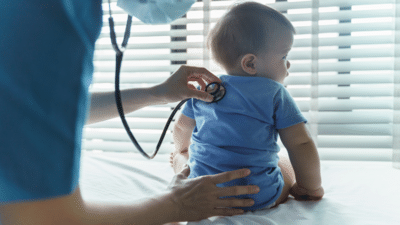
Dr Gauri Agarwal, Founder of Seeds of Innocence IVF and Genestring Labs, highlights the importance of recognising early warning signs and seeking timely medical attention.
What is Pneumonia in Babies?Pneumonia refers to an infection marked by inflammation in the lungs. It involves the alveoli (the small air pockets) and may fill with pus or fluid, making it difficult for babies to breathe and get enough oxygen.
Various organisms can cause the infection, such as the following:
Pneumonia may affect either one lung or both of them depending on the underlying reasons for the infection as well as the organism involved.

What Are the Early Signs of Pneumonia in Babies?Dr Gauri Agarwal suggests parents should watch for the following signs in their babies:
: Frequent coughing that may interfere with feeding or sleep Poor feeding: Reduced interest in breastfeeding or bottle-feeding Unusual sleepiness: Increased tiredness, reduced activity, or difficulty waking Reduced urine output: Fewer wet nappies due to inadequate fluid intake When Should Parents Seek Medical Attention?Any suspected pneumonia in babies requires medical assessment. Certain symptoms indicate that the infection may be severe and needs urgent attention.
Parents should seek immediate medical care if their baby experiences the following:
How is Pneumonia Diagnosed and Treated in Babies?Doctors assess the baby's symptoms, breathing pattern, oxygen levels, and overall health. Depending on the findings, they may recommend additional investigations, such as the following:
How Can Parents Prevent Pneumonia in Babies?It is not possible to prevent every respiratory illness, but in some situations, it may be feasible to reduce the chances of having pneumonia. However, the following tips will help lower the risk:
Breastfeed: Exclusively breastfeed the infant for at least six months Prevent exposure to smoke: Keep the infant away from the environment with smoke Offer a proper diet: Begin giving solid foods six months after the child is born, and continue breastfeeding Avoid exposure to viruses: Avoid coming into contact with infected people Pneumonia in babies can be worrying for parents, but recognising the symptoms early can make a significant difference. Watch for signs such as rapid breathing, fever, persistent cough, poor feeding, or unusual tiredness. Do not delay seeking medical attention if your baby shows worrying symptoms. Follow the paediatrician's advice, complete the prescribed treatment, and ensure regular follow-ups to support a safe and healthy recovery.
FAQs on Pneumonia in Babies: What Parents Should KnowHow long does pneumonia take to clear in babies?
Most babies start showing improvement within 48-72 hours of appropriate treatment. However, complete recovery may take two to four weeks. The duration depends on the infection's severity, the baby's age, overall health, and response to treatment. Is pneumonia contagious in babies?
Pneumonia itself is not always contagious, but the viruses and bacteria responsible for certain types can spread between people. These germs may transmit through respiratory droplets released during coughing, sneezing, or close contact with an infected person.Does pneumonia in babies cause long-term lung damage?
Most babies recover completely without lasting lung damage. However, severe or recurrent pneumonia can sometimes lead to complications, such as lung scarring or reduced lung function. Babies with underlying respiratory or immune conditions may require closer monitoring during recovery.
Dr Gauri Agarwal, Founder of Seeds of Innocence IVF and Genestring Labs, highlights the importance of recognising early warning signs and seeking timely medical attention.
What is Pneumonia in Babies?Pneumonia refers to an infection marked by inflammation in the lungs. It involves the alveoli (the small air pockets) and may fill with pus or fluid, making it difficult for babies to breathe and get enough oxygen.
Various organisms can cause the infection, such as the following:
- Viruses: A virus popularly known as respiratory syncytial virus (RSV), influenza, and other viruses of the respiratory tract
- Bacteria: A specific bacterium well known as Streptococcus pneumoniae
- Fungi: Certain fungal infections cause pneumonia in babies with certain allergies or abnormal immunological reactions
What Are the Early Signs of Pneumonia in Babies?Dr Gauri Agarwal suggests parents should watch for the following signs in their babies:
- Fast breathing: Breathing more rapidly than usual, even while resting
- Chest retractions: Skin below or between the ribs pulls inward during breathing
- Nasal flaring: Nostrils widen with each breath
- Persistent cough
Parents should seek immediate medical care if their baby experiences the following:
- Severe difficulty or pauses in breathing
- Bluish or grey lips, tongue, or skin
- Significant chest retractions
- Inability to breathe because of breathing difficulties
- Unusual drowsiness or difficulty waking up
- Fever of 38℃ (100.4°F) or higher in a baby younger than 3 months
How is Pneumonia Diagnosed and Treated in Babies?Doctors assess the baby's symptoms, breathing pattern, oxygen levels, and overall health. Depending on the findings, they may recommend additional investigations, such as the following:
- Chest X-ray to examine the lungs
- Blood tests to check for signs of infection
- Oxygen saturation testing to assess oxygen levels
- Laboratory tests to identify the infection-causing organism when necessary
- Viral pneumonia: Usually requires supportive care, including adequate fluids, feeding support, and monitoring. Specific antiviral medicines may be recommended for certain infections
- Bacterial pneumonia: Requires antibiotics prescribed by a doctor
- Severe pneumonia: May require hospitalisation, oxygen therapy, intravenous fluids, and close monitoring
How Can Parents Prevent Pneumonia in Babies?It is not possible to prevent every respiratory illness, but in some situations, it may be feasible to reduce the chances of having pneumonia. However, the following tips will help lower the risk:
- Adhere to the vaccination schedule: Make sure that the child is getting different vaccines like pneumococcal, Hib, and flu vaccines
- Wash hands: It is essential to wash hands before feeding and handling the baby
FAQs on Pneumonia in Babies: What Parents Should Know
Most babies start showing improvement within 48-72 hours of appropriate treatment. However, complete recovery may take two to four weeks. The duration depends on the infection's severity, the baby's age, overall health, and response to treatment.
Pneumonia itself is not always contagious, but the viruses and bacteria responsible for certain types can spread between people. These germs may transmit through respiratory droplets released during coughing, sneezing, or close contact with an infected person.
Most babies recover completely without lasting lung damage. However, severe or recurrent pneumonia can sometimes lead to complications, such as lung scarring or reduced lung function. Babies with underlying respiratory or immune conditions may require closer monitoring during recovery.
Next Story