
Powerful Ancient Civilisations That Once Dominated The World But Are Now Forgotten

Throughout history, powerful civilisations have risen to greatness, leaving indelible marks on the world before eventually vanishing into obscurity. These ancient societies were once centres of culture, innovation, and influence, yet many are barely remembered today. Their stories have been buried by time, surviving only through ruins, myths, and archaeological clues. While some civilisations such as the Romans or Egyptians are widely celebrated, others that were equally advanced and expansive have been overshadowed by history. This article revisits some of these once-mighty empires, exploring how they thrived and why they eventually faded from memory.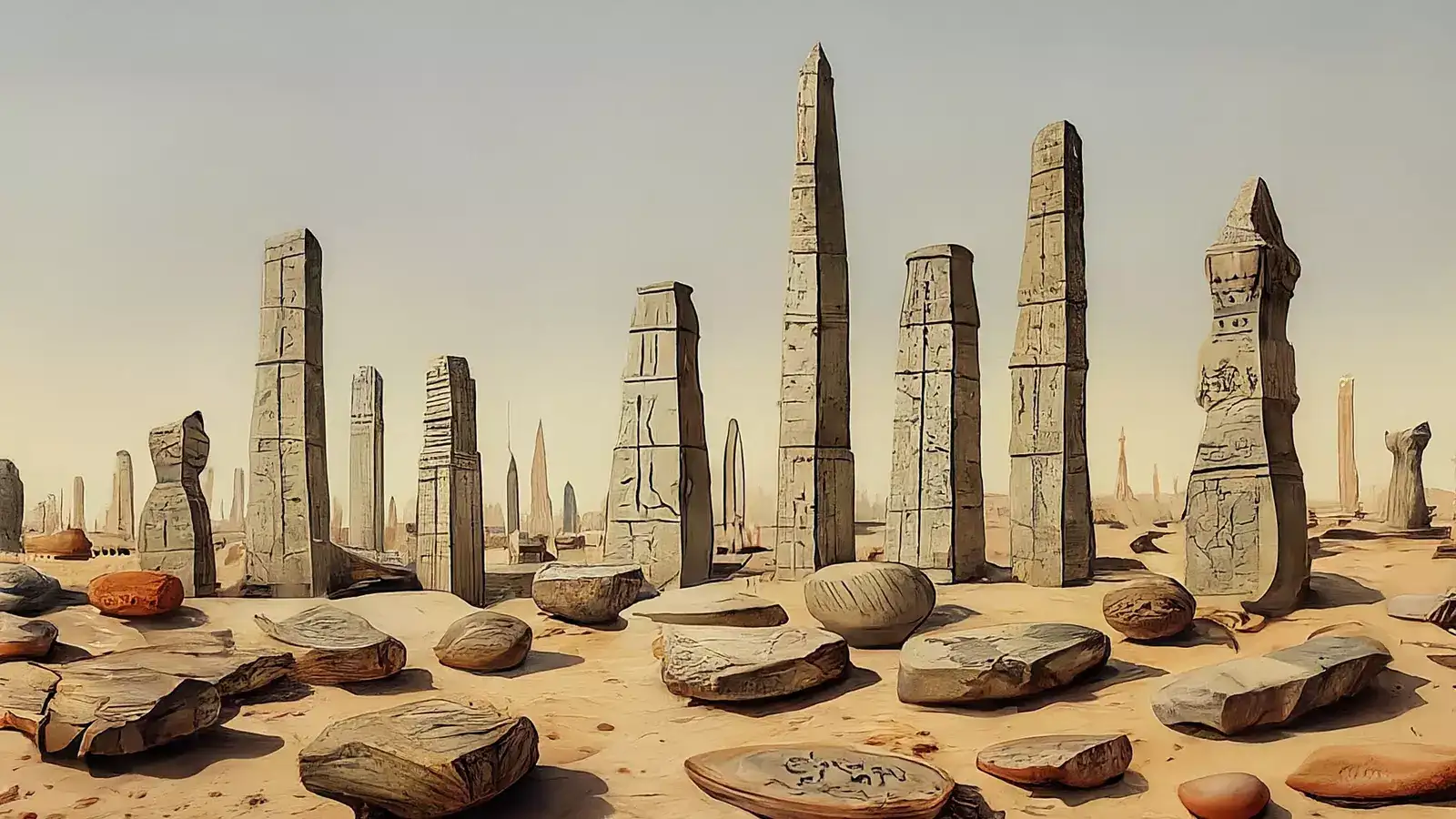
By looking beyond the commonly told narratives, we can better appreciate the complexity and diversity of our shared past. The ruins may crumble, but the ideas and achievements of these forgotten powers continue to echo across time.
The Indus Valley: An Urban Marvel Before Its Time
Flourishing around 2500 BCE in what is now modern-day India and Pakistan, the Indus Valley Civilisation was among the world’s earliest urban societies. With advanced drainage systems, grid-pattern cities like Mohenjo-daro and Harappa, and evidence of trade with Mesopotamia, it was astonishingly sophisticated for its time. Yet, the civilisation’s script remains undeciphered, and much of its culture is shrouded in mystery. Its sudden decline around 1900 BCE has led to multiple theories—climate change, shifting river patterns, or even invasion—but no definitive answer. Despite its innovation, the Indus Valley remains lesser-known compared to its contemporaries.The Hittite Empire: Iron Age Innovators
Centred in Anatolia (modern-day Turkey), the Hittite Empire was a major force between 1600 and 1178 BCE. They rivalled the Egyptians in strength and diplomacy, even signing one of the world's oldest known peace treaties after the Battle of Kadesh. Hittite engineers were among the first to master ironworking, giving them a significant military advantage. Yet, a series of invasions and internal instability led to their collapse during the Late Bronze Age. It wasn't until the 20th century that archaeologists rediscovered the Hittites through tablets and ruins, resurrecting the memory of a once-great empire.You may also like
- Oats and green vegetables help in weight loss by controlling appetite
- What Happens When You Eat 1 Pomegranate Daily, 6 Powerful Health Benefits
- Taking Medicines After Drinking Alcohol, Top Doctors Warn of Deadly Liver and Heart Risks
- Can Protein Shakes Alone Build Muscle, Bust Superfood Myths and Expensive Fitness Fads
- This country is paying people to read books for 15 minutes: Here's how the scheme works and why it was launched
The Kingdom of Aksum: Africa’s Forgotten Trade Giant
The Kingdom of Aksum, located in what is now Ethiopia and Eritrea, thrived between the 1st and 7th centuries CE. Known for its striking obelisks, its own written script (Ge’ez), and early adoption of Christianity, Aksum controlled trade routes across the Red Sea and into the Roman Empire. It minted its own coins and maintained diplomatic ties with Byzantium. However, changes in trade dynamics, possibly linked to the rise of Islam and shifts in maritime routes, led to its gradual decline. Today, Aksum is often overshadowed by other African civilisations, despite its significance in regional and global history.The Mitanni: Charioteers of the Ancient World
Emerging in the second millennium BCE in northern Mesopotamia, the Mitanni were a powerful but short-lived Indo-Aryan-influenced kingdom. They excelled in horse training and chariot warfare, often serving as crucial allies or rivals to Egypt and the Hittites. Their elite class spoke an early form of Sanskrit, hinting at connections with Vedic culture. Though their empire eventually succumbed to the Assyrians and Hittites, the Mitanni had a profound influence on military strategy and cross-cultural exchange in the Near East. Their relatively brief reign has left only faint traces in the broader narrative of history.The Sogdians: Traders of the Silk Road
Though not a centralised empire, the Sogdians played a vital role in shaping trade and cultural exchange across Central Asia during the 6th to 11th centuries CE. Based in what is now Uzbekistan and Tajikistan, the Sogdians were master merchants along the Silk Road, connecting China with the Middle East and Europe. They spread Buddhism, Zoroastrianism, and Manichaeism and introduced new artistic styles across regions. However, with the rise of Islamic empires and shifting trade networks, their influence waned. Much of their legacy survives through murals, inscriptions, and ancient travel accounts.The Muisca Confederation: Keepers of El Dorado’s Legend
In the Andean highlands of present-day Colombia, the Muisca Confederation thrived until the Spanish conquest in the 16th century. Known for their exquisite gold craftsmanship, they inspired the myth of El Dorado. The Muisca had a complex society based on salt and gold trade and advanced agricultural practices using terracing and irrigation. Despite their rich culture, the Muisca were overwhelmed by European invaders, and their traditions were rapidly suppressed. Today, they remain largely uncelebrated outside of South America, though recent archaeological interest is helping to restore their historical place.Why These Civilisations Matter Today
Rediscovering these forgotten civilisations is more than an academic pursuit. Their stories challenge our assumptions about who shaped history and remind us that greatness is not always remembered. These societies contributed to art, governance, technology, and philosophy in ways that have quietly influenced later cultures. Learning about them expands our understanding of human potential and global interconnectedness long before modern nations emerged.By looking beyond the commonly told narratives, we can better appreciate the complexity and diversity of our shared past. The ruins may crumble, but the ideas and achievements of these forgotten powers continue to echo across time.






Loving Newspoint? Download the app now
