
Practical Kitchen Modifications That Make Cooking Safer And Easier For Senior Family Members At Home

The kitchen is often considered the heart of a home, but for senior family members, it can also become one of the most hazardous spaces. From slippery floors to hard-to-reach shelves and sharp tools, everyday kitchen tasks can pose significant risks as mobility, strength, and balance decline with age. Thoughtful kitchen modifications can make a substantial difference, allowing elderly individuals to continue using the space safely and independently while reducing the likelihood of accidents.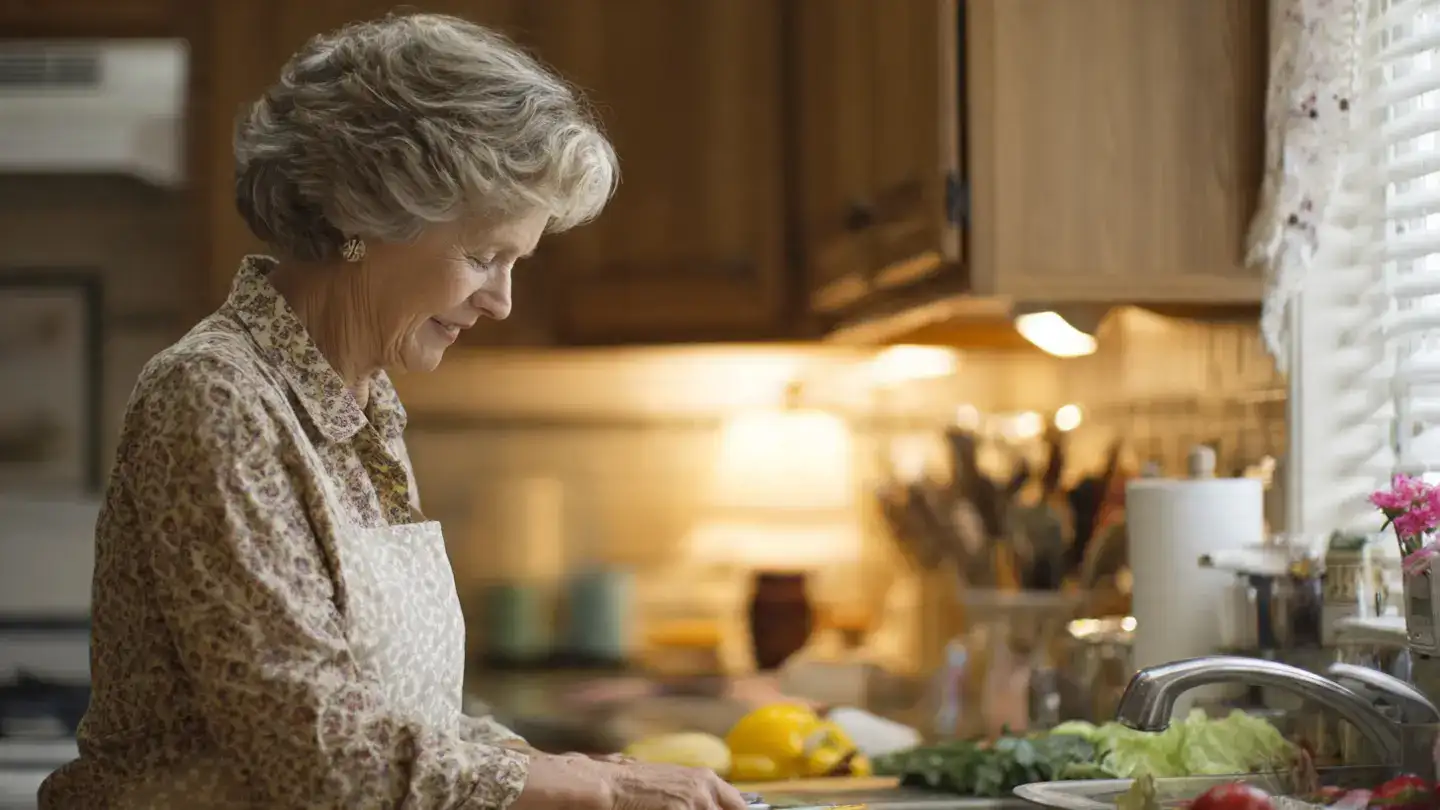
Hot surfaces, sharp objects, and spills add to the potential hazards. Identifying these risks is the first step towards creating a safer kitchen environment that supports elderly family members without restricting their independence.
Avoid placing heavy items on high shelves or near the floor. Pull-out drawers and rotating shelves can make access easier without requiring excessive bending or stretching. A clear and open layout also ensures smooth movement, especially for those using walking aids.
Creating a user-friendly design is a key part of building a senior friendly kitchen.
Consider installing non-slip flooring materials or using anti-slip mats in areas prone to moisture, such as near the sink or cooking area. Mats should be firmly secured to prevent them from shifting underfoot.
Maintaining dry floors and cleaning spills immediately further reduces the risk of falls.
Ensure that the kitchen is well lit with bright, evenly distributed lighting. Under-cabinet lights can improve visibility on countertops, while overhead lights should eliminate shadows.
Switches should be easily accessible, and task lighting near cooking areas can make food preparation safer.
Countertops with rounded edges reduce the risk of injury in case of accidental bumps. If space allows, a sturdy chair or high stool can be used for seated tasks like chopping vegetables or mixing ingredients.
These additions create a more supportive and comfortable environment for elderly users.
Appliances with automatic shut-off features can prevent accidents caused by forgetfulness. Easy-to-use controls with clear markings are especially helpful for seniors with vision or dexterity issues.
Choosing user-friendly appliances is an important part of elderly kitchen modifications .
Avoid overcrowding cabinets and countertops, as clutter can lead to accidents. Keeping essential tools within reach reduces the need for stretching or climbing.
A well-organised space supports both safety and efficiency in daily activities.
Using lightweight cookware and utensils can reduce strain. It is also helpful to keep a fire extinguisher within easy reach and ensure that emergency contacts are readily available.
Promoting awareness and caution can further enhance kitchen safety for seniors .
Regularly reviewing the kitchen setup and making small improvements can ensure that it continues to meet the needs of elderly family members. Thoughtful planning helps create a space where they can cook, eat, and engage comfortably.
By combining practical design changes with mindful habits, families can transform the kitchen into a safe and welcoming environment. These modifications not only reduce the risk of accidents but also empower senior family members to remain independent and confident in their daily routines.
Image Courtesy: Meta AI
Understanding Common Kitchen Risks For Seniors
As people age, physical changes such as reduced vision, slower reflexes, and limited flexibility can make routine kitchen activities more challenging. Bending down to access storage, reaching overhead cabinets, or standing for long periods can increase the risk of falls or strain.Hot surfaces, sharp objects, and spills add to the potential hazards. Identifying these risks is the first step towards creating a safer kitchen environment that supports elderly family members without restricting their independence.
Improve Accessibility And Layout
A well-organised kitchen layout can significantly enhance safety. Frequently used items such as utensils, groceries, and cookware should be stored within easy reach, ideally between waist and shoulder height.Avoid placing heavy items on high shelves or near the floor. Pull-out drawers and rotating shelves can make access easier without requiring excessive bending or stretching. A clear and open layout also ensures smooth movement, especially for those using walking aids.
Creating a user-friendly design is a key part of building a senior friendly kitchen.
Install Non Slip Flooring
Slippery surfaces are one of the leading causes of accidents in the kitchen. Spills from water, oil, or food can quickly turn floors into dangerous zones.Consider installing non-slip flooring materials or using anti-slip mats in areas prone to moisture, such as near the sink or cooking area. Mats should be firmly secured to prevent them from shifting underfoot.
Maintaining dry floors and cleaning spills immediately further reduces the risk of falls.
Enhance Lighting For Better Visibility
Good lighting is essential for safety and efficiency in the kitchen. Poor lighting can make it difficult to identify hazards, read labels, or handle sharp tools properly.Ensure that the kitchen is well lit with bright, evenly distributed lighting. Under-cabinet lights can improve visibility on countertops, while overhead lights should eliminate shadows.
Switches should be easily accessible, and task lighting near cooking areas can make food preparation safer.
Add Support Features For Stability
Support features can help seniors maintain balance while working in the kitchen. Installing grab bars near key areas such as the sink or cooking station can provide extra stability.Countertops with rounded edges reduce the risk of injury in case of accidental bumps. If space allows, a sturdy chair or high stool can be used for seated tasks like chopping vegetables or mixing ingredients.
These additions create a more supportive and comfortable environment for elderly users.
Upgrade Appliances For Safety
Modern appliances with safety features can greatly reduce kitchen risks. Induction cooktops are a safer alternative to traditional gas stoves, as they remain cool to the touch and reduce the chance of burns.Appliances with automatic shut-off features can prevent accidents caused by forgetfulness. Easy-to-use controls with clear markings are especially helpful for seniors with vision or dexterity issues.
Choosing user-friendly appliances is an important part of elderly kitchen modifications .
Organise For Convenience And Safety
An organised kitchen minimises unnecessary movement and confusion. Clearly labelled containers and designated storage areas can make it easier to find items quickly.You may also like
- Why Your Stomach Feels Stuck And the Foods That Fix It Fast
- Natural Skincare Solutions for Summer: Harnessing the Power of Tulsi
- Digital addiction in children: How concerned should parents be, and what are the early warning signs?
- Endometriosis and fertility: Understanding the link, pregnancy risks, and treatment options
- Why Even Lord Ram Stayed Silent When Sita Was Accused
Avoid overcrowding cabinets and countertops, as clutter can lead to accidents. Keeping essential tools within reach reduces the need for stretching or climbing.
A well-organised space supports both safety and efficiency in daily activities.
Encourage Safe Cooking Practices
In addition to physical modifications, encouraging safe habits is equally important. Seniors should avoid loose clothing that could catch fire while cooking.Using lightweight cookware and utensils can reduce strain. It is also helpful to keep a fire extinguisher within easy reach and ensure that emergency contacts are readily available.
Promoting awareness and caution can further enhance kitchen safety for seniors .
Plan For Long Term Comfort And Independence
Kitchen modifications should not only address immediate safety concerns but also support long-term comfort. As needs evolve, additional adjustments may be required to maintain ease of use.Regularly reviewing the kitchen setup and making small improvements can ensure that it continues to meet the needs of elderly family members. Thoughtful planning helps create a space where they can cook, eat, and engage comfortably.
By combining practical design changes with mindful habits, families can transform the kitchen into a safe and welcoming environment. These modifications not only reduce the risk of accidents but also empower senior family members to remain independent and confident in their daily routines.
Image Courtesy: Meta AI






More from our partners


Loving Newspoint? Download the app now
