
Pregnancy in a Woman With Dwarfism: What Makes It Different?


Pregnancy can be possible for women with dwarfism, but it may need more planning and closer medical care than a routine pregnancy. Dwarfism is not one single condition. There are many types, and each can affect the body differently. Bone structure, heart and lung function, spinal health, and pelvic size can all influence pregnancy and delivery. Understanding these factors before conception helps doctors plan care early and reduce avoidable risks for both mother and baby.
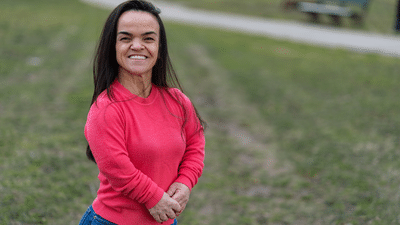
Dr Shobha Gupta, gynaecologist and IVF specialist at Mother’s Lap IVF Centre in New Delhi and founder of Mumma’s Blessing IVF and Birthing Paradise in Vrindavan, explains that pregnancy care should be based on the woman's specific condition rather than on dwarfism alone.

Why is Pregnancy Different in Women With Dwarfism?The effects of pregnancy can vary widely depending on the type of dwarfism. Some women may have few complications, while others may have medical or structural concerns that require specialist care.
The size and shape of the pelvis are particularly important when planning delivery. Certain skeletal conditions can result in a smaller or differently shaped pelvis. In such cases, a vaginal birth may not be considered safe; a caesarean birth may be recommended.
The spine and airway also need attention. Some women may have spinal abnormalities or other skeletal features that can make certain types of anaesthesia more difficult. An anaesthetist may therefore need to assess the woman before delivery.
How Can Pregnancy Affect the Heart and Lungs?Pregnancy naturally increases the body's workload. The heart needs to pump more blood, while the lungs must meet the increased demands of pregnancy. Women with certain forms of skeletal dysplasia may already have reduced chest space or respiratory problems. As the uterus grows, breathing may become more difficult in some cases.
Heart problems can also be present in some skeletal disorders. This is why doctors may recommend heart and lung assessment before pregnancy or during pregnancy, depending on the woman's medical history. Any new breathing difficulty, chest pain, fainting, or severe weakness should be reported to the doctor promptly.
Why is Pelvic Assessment Important?Pelvic anatomy is an important part of delivery planning. A smaller or differently shaped pelvis may make vaginal delivery difficult or unsafe.
The decision about the mode of birth should be made individually. Doctors may consider pelvic structure, the mother's health, the baby's position, and other pregnancy factors before recommending vaginal birth or caesarean delivery.
It is helpful to discuss delivery options before labour begins. This allows the obstetric and anaesthesia teams to prepare for any special requirements.
Is Genetic Counselling Needed?Some forms of dwarfism are caused by inherited genetic changes. The chance of a baby inheriting the condition depends on the exact diagnosis and the inheritance pattern. Genetic counselling can help a woman and her partner understand these possibilities. Testing may be discussed when appropriate.
The discussion should be based on the specific skeletal disorders. Simply knowing that a woman has dwarfism is not enough to determine the baby's risk.
Why is a Multidisciplinary Team Important?Pregnancy may involve several specialists depending on the woman's needs.
What Does Dr Shobha Say?“Women with dwarfism can become pregnant, but pregnancy planning should be individualised. We need to understand the specific type of dwarfism, the woman's heart and lung function, spinal anatomy and pelvic dimensions before deciding how best to manage the pregnancy,” says Dr Shobha Gupta.
This approach helps doctors identify possible problems before they become urgent. It also allows the woman to understand her delivery options and make informed decisions about her care. Doctors may watch for:
Whether you’re pregnant, a new mom, or navigating postpartum, you don’t have to do it alone. Join our support group to connect, share, and support one another.
FAQs on Pregnancy in a Woman With Dwarfism: What Makes It Different?Can a woman with dwarfism have a healthy pregnancy?
Yes, pregnancy is possible and may have a good outcome. However, the risks vary according to the type of dwarfism and the woman's overall health. Pre-pregnancy assessment and regular specialist care can help doctors plan appropriate management. Is caesarean delivery always needed in women with dwarfism?
No, a caesarean birth is not automatically required for every woman with dwarfism. The decision depends on pelvic anatomy, the type of skeletal condition, the baby's position, and other maternal and pregnancy factors. Can pregnancy worsen existing bone or joint problems?
Pregnancy can place additional stress on the musculoskeletal system. Existing back, hip, or joint problems may become more noticeable as the body changes. Women should discuss significant pain or reduced mobility with their pregnancy care team.
Dr Shobha Gupta, gynaecologist and IVF specialist at Mother’s Lap IVF Centre in New Delhi and founder of Mumma’s Blessing IVF and Birthing Paradise in Vrindavan, explains that pregnancy care should be based on the woman's specific condition rather than on dwarfism alone.
Why is Pregnancy Different in Women With Dwarfism?The effects of pregnancy can vary widely depending on the type of dwarfism. Some women may have few complications, while others may have medical or structural concerns that require specialist care.
The size and shape of the pelvis are particularly important when planning delivery. Certain skeletal conditions can result in a smaller or differently shaped pelvis. In such cases, a vaginal birth may not be considered safe; a caesarean birth may be recommended.
The spine and airway also need attention. Some women may have spinal abnormalities or other skeletal features that can make certain types of anaesthesia more difficult. An anaesthetist may therefore need to assess the woman before delivery.
How Can Pregnancy Affect the Heart and Lungs?Pregnancy naturally increases the body's workload. The heart needs to pump more blood, while the lungs must meet the increased demands of pregnancy. Women with certain forms of skeletal dysplasia may already have reduced chest space or respiratory problems. As the uterus grows, breathing may become more difficult in some cases.
Heart problems can also be present in some skeletal disorders. This is why doctors may recommend heart and lung assessment before pregnancy or during pregnancy, depending on the woman's medical history. Any new breathing difficulty, chest pain, fainting, or severe weakness should be reported to the doctor promptly.
Why is Pelvic Assessment Important?Pelvic anatomy is an important part of delivery planning. A smaller or differently shaped pelvis may make vaginal delivery difficult or unsafe.
The decision about the mode of birth should be made individually. Doctors may consider pelvic structure, the mother's health, the baby's position, and other pregnancy factors before recommending vaginal birth or caesarean delivery.
It is helpful to discuss delivery options before labour begins. This allows the obstetric and anaesthesia teams to prepare for any special requirements.
Is Genetic Counselling Needed?Some forms of dwarfism are caused by inherited genetic changes. The chance of a baby inheriting the condition depends on the exact diagnosis and the inheritance pattern. Genetic counselling can help a woman and her partner understand these possibilities. Testing may be discussed when appropriate.
The discussion should be based on the specific skeletal disorders. Simply knowing that a woman has dwarfism is not enough to determine the baby's risk.
Why is a Multidisciplinary Team Important?Pregnancy may involve several specialists depending on the woman's needs.
- An obstetrician can manage pregnancy and delivery, while an anaesthetist can assess airway and spinal considerations
- A genetic specialist may help explain inheritance risks
- A cardiologist or respiratory specialist may also be involved when there are heart or breathing concerns
What Does Dr Shobha Say?
This approach helps doctors identify possible problems before they become urgent. It also allows the woman to understand her delivery options and make informed decisions about her care. Doctors may watch for:
- Difficulty in vaginal birth
- Breathing problems
- Anaesthesia challenges
- Preterm birth
- Baby’s skeletal condition
Whether you’re pregnant, a new mom, or navigating postpartum, you don’t have to do it alone. Join our support group to connect, share, and support one another.
FAQs on Pregnancy in a Woman With Dwarfism: What Makes It Different?
Yes, pregnancy is possible and may have a good outcome. However, the risks vary according to the type of dwarfism and the woman's overall health. Pre-pregnancy assessment and regular specialist care can help doctors plan appropriate management.
No, a caesarean birth is not automatically required for every woman with dwarfism. The decision depends on pelvic anatomy, the type of skeletal condition, the baby's position, and other maternal and pregnancy factors.
Pregnancy can place additional stress on the musculoskeletal system. Existing back, hip, or joint problems may become more noticeable as the body changes. Women should discuss significant pain or reduced mobility with their pregnancy care team.
Next Story