
Driving to the Mountains in Winter? How to Prepare Your Car for Cold Weather and Snow

A winter holiday in the mountains offers scenic roads, snow-covered landscapes and a welcome break from everyday routines. However, driving through hilly terrain during the colder months requires more preparation than a regular road trip. Low temperatures, fog, icy patches, steep gradients and sudden weather changes can make driving challenging, particularly in remote areas. Preparing your car before departure can help reduce the risk of breakdowns and improve your control on difficult roads. From checking the tyres and brakes to carrying emergency supplies, a few practical steps can make your winter mountain journey safer and more comfortable.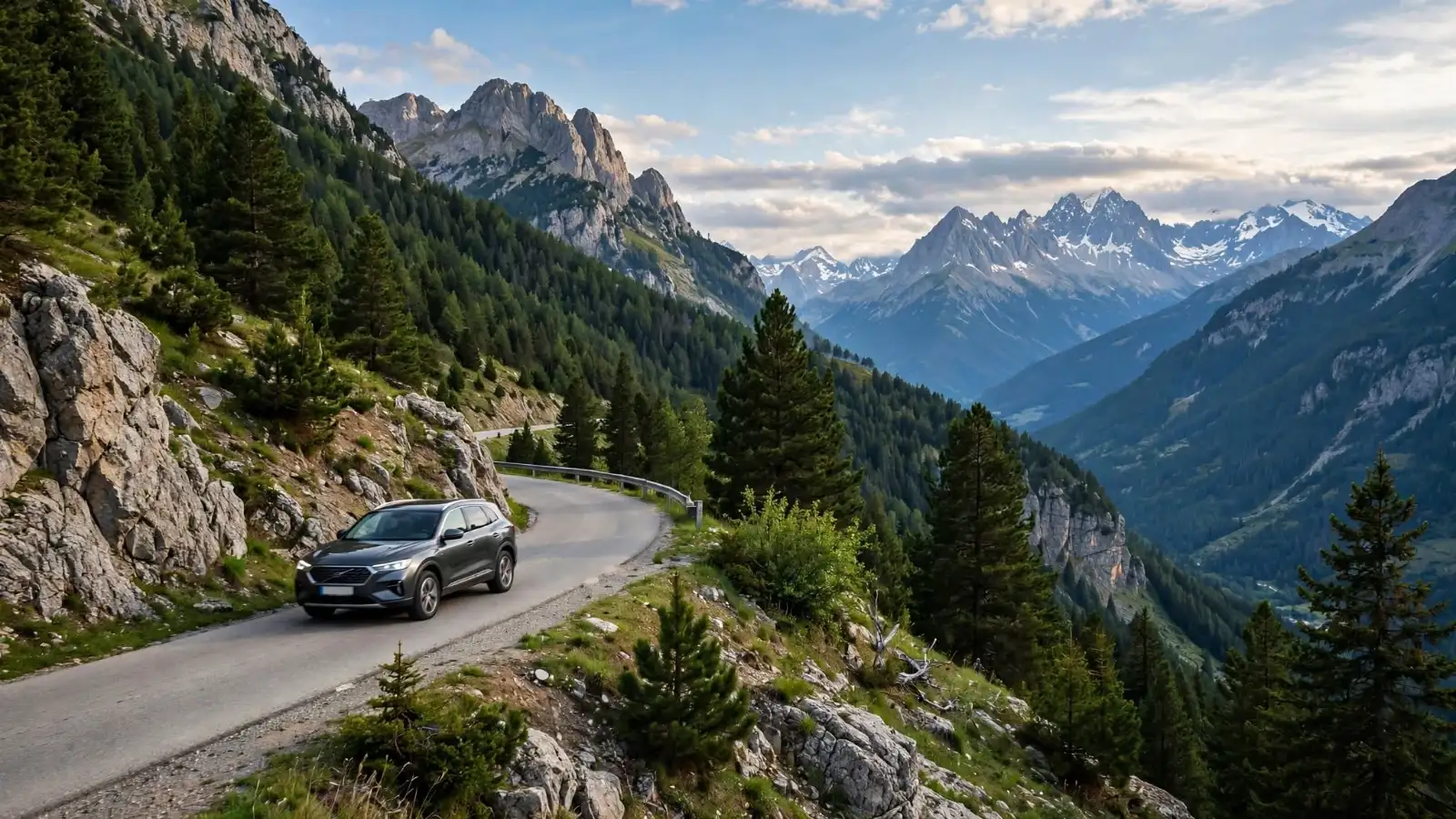
Inspect all four tyres for cracks, bulges and uneven wear. Check the pressure when the tyres are cold and follow the recommended figures in your car's manual or the driver's door label.
If you are travelling to a region that experiences heavy snowfall, ask a qualified tyre professional whether winter tyres or approved snow chains are appropriate for your vehicle and destination. Ordinary tyres may struggle on ice, and four-wheel drive does not eliminate the risk of skidding.
Do not fit snow chains unless they are suitable for your tyres and vehicle, and learn how to install them before the trip.
Have the brake pads, discs, brake fluid and overall braking system checked if your car is due for servicing or has shown signs of trouble. Squealing noises, vibration while braking or a soft brake pedal should not be ignored.
While descending, use a lower gear to help control speed and reduce continuous reliance on the brakes. Avoid riding the brake pedal for long stretches, as excessive braking can cause overheating and reduce braking effectiveness.
If the brakes feel unusually weak or behave differently, stop at a safe location and seek professional assistance.
Check the battery's age, condition and charge before travelling. Look for corrosion around the terminals and ask a mechanic to test the battery if starting has become slow or unreliable.
Also inspect the headlights, tail lights, brake lights, indicators and hazard lights. These are essential when visibility drops because of fog, rain or snowfall.
Keep the battery terminals clean and secure, but avoid attempting repairs if you are unfamiliar with the electrical system. If the battery is old or failing, replacing it before departure is safer than waiting for it to stop working in a remote area.
Check the engine oil level using the procedure recommended by the manufacturer. Use an oil grade suitable for your vehicle and the expected temperatures rather than choosing one based on guesswork.
Inspect the coolant level when the engine is completely cold. Never open a hot radiator cap, as pressurised coolant can cause severe burns.
The coolant should have the correct specification and concentration for the conditions you expect to encounter. If you are unsure, ask a mechanic to check the cooling system, hoses and antifreeze protection before departure.
Test the heater, front and rear defoggers, and air conditioning system before the journey. In many vehicles, air conditioning helps remove moisture from the cabin even when the heater is running.
Check the windscreen for chips or cracks and replace worn wiper blades. Fill the washer reservoir with a suitable screen-wash product that will not freeze under the expected conditions.
Clear all windows, mirrors and exterior lights before setting off. Never drive with only a small patch of clear windscreen.
Carry these essentials:
Look for warnings about snow, black ice, dense fog, landslides and road closures. Allow extra travel time and avoid planning a tight schedule that encourages hurried driving.
Share your route and expected arrival time with someone at home. Download offline maps for areas where mobile coverage may be unreliable, and identify fuel stations and safe stopping points along the way.
If authorities advise against travel or a route is closed, postpone the journey or choose a safer alternative. Do not attempt to cross a blocked road simply because other vehicles are doing so.
Use lower gears on steep descents and follow the vehicle manufacturer's guidance for driving on slippery surfaces. If your car begins to skid, avoid abrupt movements and respond smoothly according to the vehicle's handling characteristics.
Do not use cruise control on icy, snowy or slippery roads. If visibility becomes very poor, slow down and find a safe place to stop rather than continuing blindly.
Never stop on a narrow bend or an exposed section of road unless it is necessary for safety. When snow or ice is present, follow local instructions and do not assume that a vehicle with high ground clearance can safely cross every obstacle.
Preparing your car for a winter mountain holiday involves more than checking the fuel level and packing luggage. Tyres, brakes, battery, engine fluids, visibility systems and emergency supplies all deserve attention before departure. A route plan and an understanding of winter driving conditions are equally important. If your car has unresolved mechanical problems, get them repaired before travelling. With proper maintenance, realistic planning and cautious driving, you can reduce avoidable risks and enjoy a more comfortable journey through the mountains.
1. Check Your Tyres Before Starting the Journey
Tyres are among the most important safety components when driving through mountain roads in winter. Worn tread, incorrect pressure or damaged sidewalls can reduce grip, especially on wet, muddy or slippery surfaces.Inspect all four tyres for cracks, bulges and uneven wear. Check the pressure when the tyres are cold and follow the recommended figures in your car's manual or the driver's door label.
If you are travelling to a region that experiences heavy snowfall, ask a qualified tyre professional whether winter tyres or approved snow chains are appropriate for your vehicle and destination. Ordinary tyres may struggle on ice, and four-wheel drive does not eliminate the risk of skidding.
Do not fit snow chains unless they are suitable for your tyres and vehicle, and learn how to install them before the trip.
2. Inspect the Brakes and Brake Fluid
Mountain driving often involves long descents, sharp bends and repeated braking. Worn brake pads or poorly maintained brakes can become a serious safety concern under these conditions.Have the brake pads, discs, brake fluid and overall braking system checked if your car is due for servicing or has shown signs of trouble. Squealing noises, vibration while braking or a soft brake pedal should not be ignored.
While descending, use a lower gear to help control speed and reduce continuous reliance on the brakes. Avoid riding the brake pedal for long stretches, as excessive braking can cause overheating and reduce braking effectiveness.
If the brakes feel unusually weak or behave differently, stop at a safe location and seek professional assistance.
3. Test the Battery and Electrical System
Cold weather can reduce a car battery's ability to deliver power. A battery that works adequately in warmer conditions may struggle to start the engine on a freezing morning.Check the battery's age, condition and charge before travelling. Look for corrosion around the terminals and ask a mechanic to test the battery if starting has become slow or unreliable.
Also inspect the headlights, tail lights, brake lights, indicators and hazard lights. These are essential when visibility drops because of fog, rain or snowfall.
Keep the battery terminals clean and secure, but avoid attempting repairs if you are unfamiliar with the electrical system. If the battery is old or failing, replacing it before departure is safer than waiting for it to stop working in a remote area.
4. Check the Engine Oil and Coolant
Engine oil helps lubricate moving parts, while coolant regulates engine temperature. Both need to be in good condition before a demanding mountain drive.Check the engine oil level using the procedure recommended by the manufacturer. Use an oil grade suitable for your vehicle and the expected temperatures rather than choosing one based on guesswork.
Inspect the coolant level when the engine is completely cold. Never open a hot radiator cap, as pressurised coolant can cause severe burns.
The coolant should have the correct specification and concentration for the conditions you expect to encounter. If you are unsure, ask a mechanic to check the cooling system, hoses and antifreeze protection before departure.
5. Make Sure the Heating and Defogging Systems Work
A functioning heater is important for comfort, but the defogging system is also essential for safe driving. Moisture can quickly collect on the inside of windows when the cabin is warm and the outside air is cold.Test the heater, front and rear defoggers, and air conditioning system before the journey. In many vehicles, air conditioning helps remove moisture from the cabin even when the heater is running.
Check the windscreen for chips or cracks and replace worn wiper blades. Fill the washer reservoir with a suitable screen-wash product that will not freeze under the expected conditions.
Clear all windows, mirrors and exterior lights before setting off. Never drive with only a small patch of clear windscreen.
6. Pack a Winter Emergency Kit
Mountain routes can become blocked by snow, landslides, fallen trees or temporary road closures. A well-prepared emergency kit can be useful if you have to wait for assistance.Carry these essentials:
- A first-aid kit and any regularly needed personal medicines.
- A torch with spare batteries or a fully charged rechargeable light.
- A power bank and charging cable for your phone.
- Drinking water and non-perishable snacks.
- Warm clothing, gloves, socks and blankets.
- A warning triangle and reflective vest.
- A tyre inflator, pressure gauge and suitable puncture-repair equipment.
- Jumper cables or a compatible jump starter.
- A basic tool kit and towing information.
- Snow chains if required for the route and compatible with your vehicle.
7. Plan Your Route and Check Weather Conditions
Mountain weather can change quickly, and a road that appears clear at the start may become hazardous later. Before departure, check official traffic updates, weather forecasts and local advisories for your destination.Look for warnings about snow, black ice, dense fog, landslides and road closures. Allow extra travel time and avoid planning a tight schedule that encourages hurried driving.
Share your route and expected arrival time with someone at home. Download offline maps for areas where mobile coverage may be unreliable, and identify fuel stations and safe stopping points along the way.
If authorities advise against travel or a route is closed, postpone the journey or choose a safer alternative. Do not attempt to cross a blocked road simply because other vehicles are doing so.
8. Adjust Your Driving for Mountain Conditions
Even a well-maintained car needs careful handling on winter roads. Accelerate gently, maintain a generous following distance and avoid sudden steering or braking.Use lower gears on steep descents and follow the vehicle manufacturer's guidance for driving on slippery surfaces. If your car begins to skid, avoid abrupt movements and respond smoothly according to the vehicle's handling characteristics.
Do not use cruise control on icy, snowy or slippery roads. If visibility becomes very poor, slow down and find a safe place to stop rather than continuing blindly.
Never stop on a narrow bend or an exposed section of road unless it is necessary for safety. When snow or ice is present, follow local instructions and do not assume that a vehicle with high ground clearance can safely cross every obstacle.
Preparing your car for a winter mountain holiday involves more than checking the fuel level and packing luggage. Tyres, brakes, battery, engine fluids, visibility systems and emergency supplies all deserve attention before departure. A route plan and an understanding of winter driving conditions are equally important. If your car has unresolved mechanical problems, get them repaired before travelling. With proper maintenance, realistic planning and cautious driving, you can reduce avoidable risks and enjoy a more comfortable journey through the mountains.
Next Story