
6 Vegetables That Should Never Share a Basket, Here's Why

Most vegetables look fine together in a basket or crisper drawer. They are all produce, all going into the same meals, all bought on the same day. But a few of them are quietly working against each other the moment they touch, and the result shows up two days later as a wilted handful of greens or a cucumber that has gone inexplicably soft.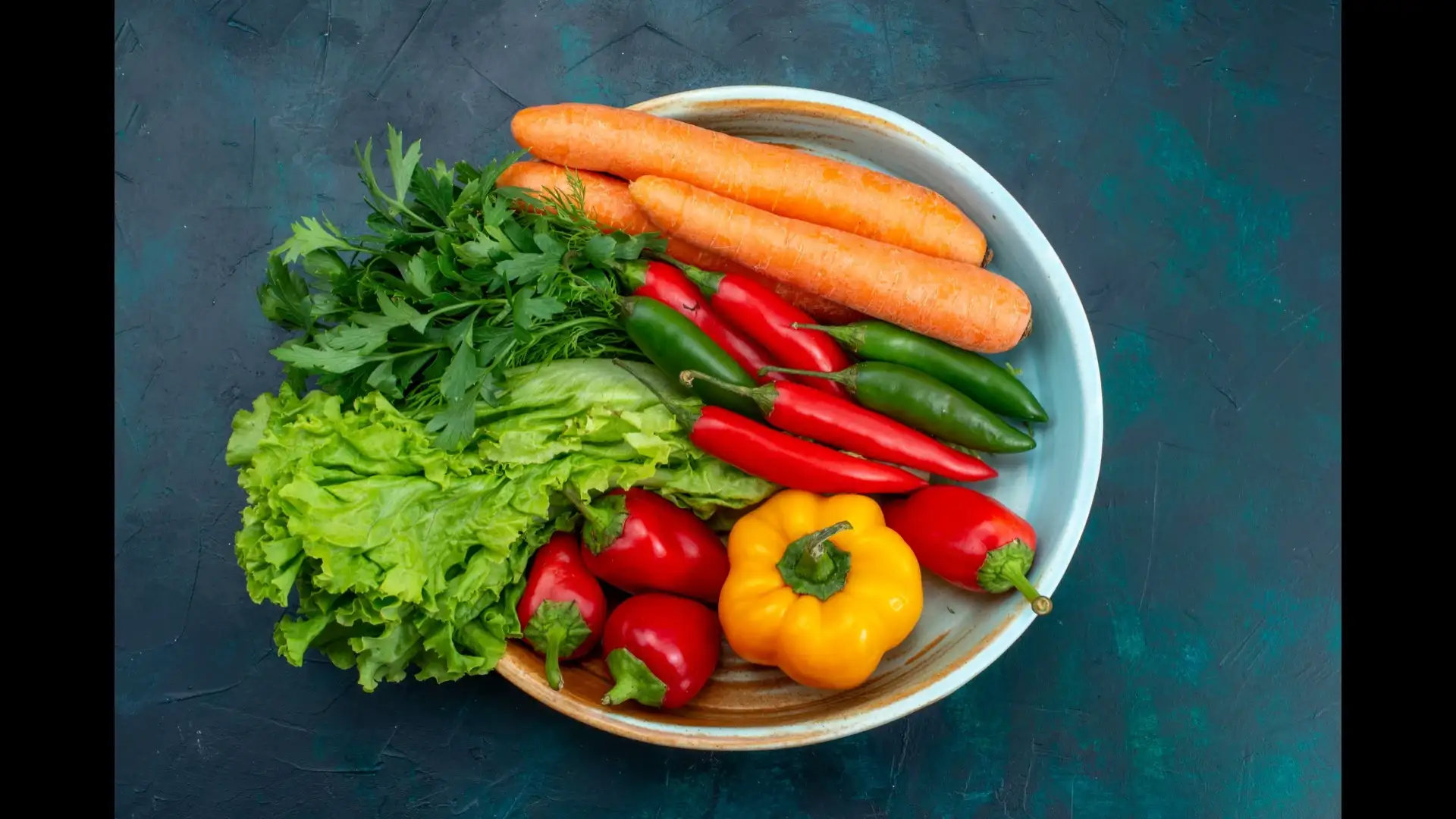
The culprit in most cases is ethylene, a natural ripening gas that some vegetables and fruits release as they mature. Others are unusually sensitive to it. A third group simply transfers surface moisture or odour in ways that damage their neighbours. None of this requires any special storage equipment. It only requires knowing which six pairings to break up.
The underlying principle across all six is simple, vegetables are still biologically active after harvest. They are still releasing gases, losing moisture, and responding to what surrounds them. Storing them as if they were inert objects, piled together because they are all going into the same curry, treats them as finished ingredients when they are still in process. Separate the six pairs above, and the rest of the basket takes care of itself.
The culprit in most cases is ethylene, a natural ripening gas that some vegetables and fruits release as they mature. Others are unusually sensitive to it. A third group simply transfers surface moisture or odour in ways that damage their neighbours. None of this requires any special storage equipment. It only requires knowing which six pairings to break up.
Tomatoes and Cucumbers
Tomatoes are among the heavier ethylene producers in a typical kitchen basket. Cucumbers are among the most ethylene-sensitive vegetables you will buy. Put them together and the cucumber absorbs the gas, accelerating its own breakdown, the flesh softens from the inside, the skin yellows, and the mild flavour turns faintly bitter. Keep tomatoes at room temperature on the counter. Cucumbers go in the crisper drawer, wrapped loosely in a paper towel to manage surface moisture, away from any ethylene source.Onions and Potatoes
This is the pairing most Indian kitchens get wrong, because onions and potatoes arrive together from the market and seem like natural companions. They are not. Onions release moisture and sulphur compounds into the air around them. Potatoes absorb both. The result is potatoes that sprout faster and develop soft spots well before they should. Onions, for their part, pick up the starch odour from potatoes and begin to rot at the base. Both store best in a cool, dry, dark place, but in separate containers or bags, with airflow around each.Garlic and Mushrooms
Mushrooms are almost entirely water, around ninety percent by weight, and they breathe through their surface. Garlic, stored nearby, releases volatile sulphur compounds that mushrooms absorb readily. The result is mushrooms that taste faintly of garlic before they ever reach the pan, and that deteriorate faster because the compounds interfere with their natural moisture balance. Mushrooms store best in a paper bag in the refrigerator, away from anything pungent. Garlic keeps at room temperature in a dry, ventilated spot.Leafy Greens and Ethylene Producers
Spinach, methi, coriander, and lettuce are among the most ethylene-sensitive items in any vegetable drawer. Even low-level ethylene exposure, from a nearby apple, a ripe tomato, or a cut avocado, causes them to yellow and wilt within a day or two. The cell walls break down faster, the leaves go limp, and the flavour becomes slightly bitter. Wrap leafy greens in a dry cloth or paper towel and keep them in a sealed container or bag, in the coldest part of the refrigerator, away from any fruit or ripening vegetable.Cauliflower and Strongly Scented Vegetables
Cauliflower has a porous, open surface and absorbs odours from its surroundings more readily than most vegetables. Stored next to onions, garlic, or even raw ginger, it picks up those flavours and carries them into the cooked dish in a way that is difficult to account for. It also releases its own mild sulphur smell as it ages, which accelerates when it is kept in a sealed space with other produce. Store cauliflower loosely wrapped, separate from anything with a strong scent, and use it within three to four days of purchase.Capsicum and High-Moisture Vegetables
Capsicum, green, red, or yellow, holds up reasonably well in the refrigerator on its own. The problem comes when it sits against high-moisture vegetables like zucchini, cucumber, or pre-washed greens. The surface moisture from its neighbours collects on the capsicum's skin, creating the damp conditions where mould begins. Once mould starts on one capsicum, it spreads to the others in the same drawer quickly. Store capsicum dry, with a paper towel beneath it to absorb any condensation, and keep it away from anything that weeps moisture.The underlying principle across all six is simple, vegetables are still biologically active after harvest. They are still releasing gases, losing moisture, and responding to what surrounds them. Storing them as if they were inert objects, piled together because they are all going into the same curry, treats them as finished ingredients when they are still in process. Separate the six pairs above, and the rest of the basket takes care of itself.
Next Story