
Protein-Maxxing and Fibre-Maxxing: The Food Trends Gen Z Is Trying for Better Health

Gen Z is increasingly paying attention to what goes on their plates, with protein-maxxing and fibre-maxxing emerging as popular approaches to everyday eating. The idea is simple: include more protein to support muscle maintenance and fullness, while increasing fibre intake to support digestion and overall health.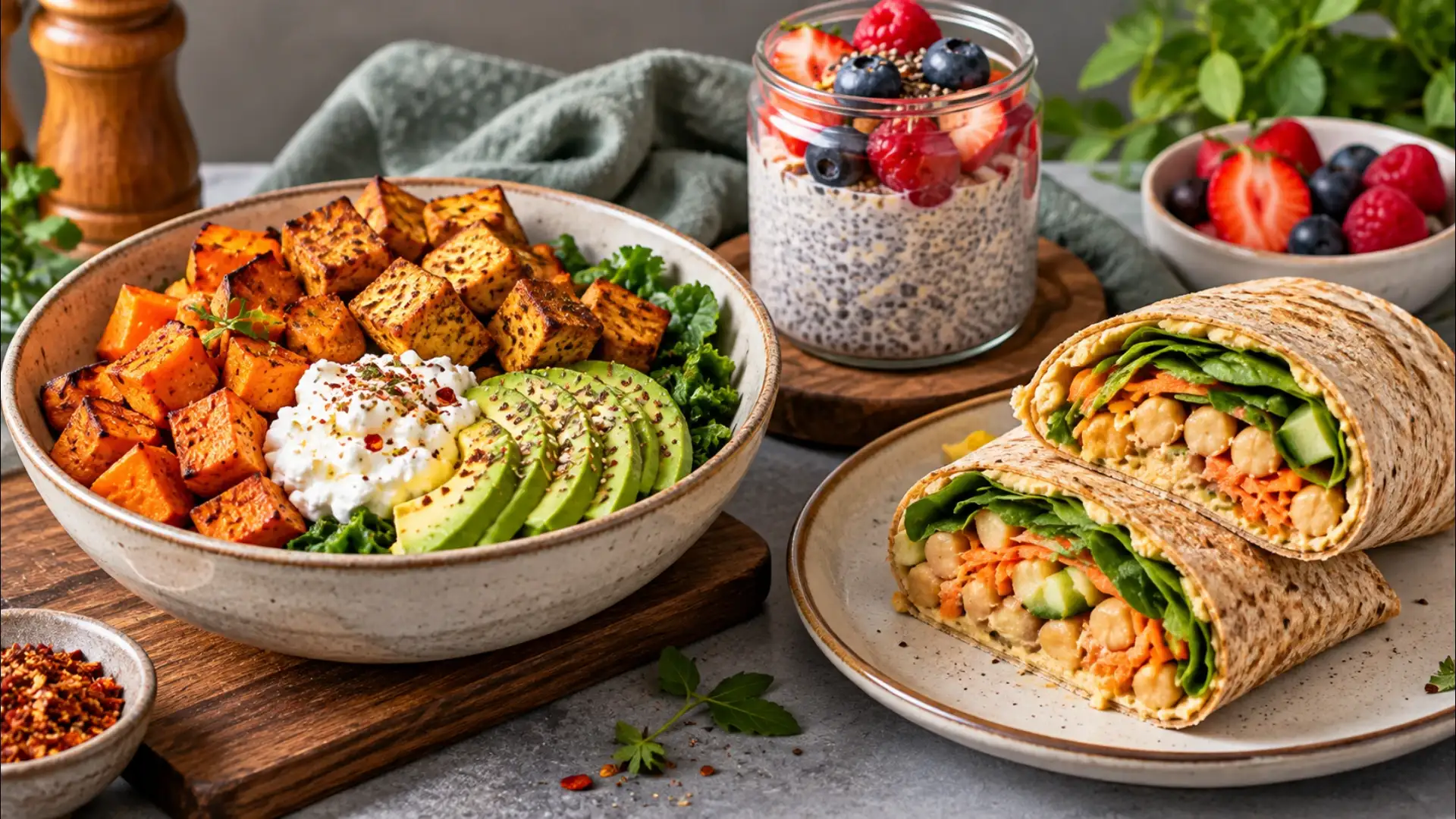
Rather than relying entirely on expensive supplements or restrictive diets, these approaches encourage people to make everyday meals more nutrient-dense. From high-protein bowls and fibre-rich wraps to chia puddings, young adults are exploring ways to make healthy eating convenient, satisfying and easier to maintain.
However, no single food trend can fix every health concern. A balanced diet, regular physical activity, adequate sleep and appropriate medical care remain important for long-term wellbeing.
This colourful dinner bowl combines plant-based protein, complex carbohydrates and fibre-rich vegetables. It is a practical option for people who want a filling meal without making dinner preparation complicated.
The fibre-first approach focuses on including fibre-rich foods in meals alongside protein, rather than treating vegetables as an afterthought. This wrap makes that idea easy to follow on busy days.
Chia pudding is a convenient option for people who want a sweet snack with more nutritional value than a typical sugary dessert. It can be prepared ahead of time and stored in the refrigerator.
The appeal lies in making nutrition more practical. A tofu bowl can replace a takeaway dinner, chickpeas can turn a basic wrap into a more substantial lunch, and chia pudding can provide a convenient breakfast or snack.
Still, more is not always better. Protein requirements vary with body size, activity levels and health needs. Increasing fibre too quickly can also cause gas, bloating or abdominal discomfort, so it is sensible to increase intake gradually and drink enough water.
These trends are best treated as useful reminders to improve meal quality, rather than strict challenges or quick fixes for health problems.
For vegetarian diets, useful protein sources include tofu, tempeh, lentils, chickpeas, beans, dairy products and soy milk. Fibre can come from vegetables, fruit, whole grains, pulses, nuts and seeds.
The goal is to build a varied, balanced eating pattern that suits your preferences, budget and lifestyle. Protein-maxxing and fibre-maxxing can offer a useful starting point, but sustainable habits matter more than following a viral trend perfectly.
Rather than relying entirely on expensive supplements or restrictive diets, these approaches encourage people to make everyday meals more nutrient-dense. From high-protein bowls and fibre-rich wraps to chia puddings, young adults are exploring ways to make healthy eating convenient, satisfying and easier to maintain.
However, no single food trend can fix every health concern. A balanced diet, regular physical activity, adequate sleep and appropriate medical care remain important for long-term wellbeing.
1. Dinner: High-Protein Sweet Potato and Tofu Bowl
Prep time: 10 minutes | Cook time: 30 minutesThis colourful dinner bowl combines plant-based protein, complex carbohydrates and fibre-rich vegetables. It is a practical option for people who want a filling meal without making dinner preparation complicated.
Ingredients
- Firm tofu or tempeh
- 1 medium sweet potato, cut into cubes
- 1 teaspoon olive oil
- Taco seasoning or a mixture of cumin, paprika and chilli powder
- Cottage cheese or thick, plain yoghurt
- Fresh avocado
- Chilli flakes
- Salt and pepper to taste
How to make it
- Toss the sweet potato cubes with olive oil, salt and seasoning. Roast at 220°C for approximately 25 to 30 minutes, until tender and lightly caramelised.
- Cut the tofu into cubes and cook in a non-stick pan until golden. Add the seasoning and a splash of water.
- Place the roasted sweet potatoes in a bowl and add the cooked tofu.
- Top with cottage cheese or plain yoghurt, sliced avocado and chilli flakes.
2. Lunch: The 10-Minute Fibre-First Protein Wrap
Prep time: 10 minutes | Cook time: None, if using ready-to-eat ingredientsThe fibre-first approach focuses on including fibre-rich foods in meals alongside protein, rather than treating vegetables as an afterthought. This wrap makes that idea easy to follow on busy days.
Ingredients
- 1 wholemeal or high-fibre wrap
- ½ cup cooked chickpeas
- 2 tablespoons hummus
- Sliced cucumber
- Grated carrot
- Fresh spinach
- Lemon juice
- Black pepper and salt to taste
How to make it
- Spread hummus evenly over the wrap.
- Add spinach, cucumber and grated carrot.
- Lightly mash the chickpeas with lemon juice, black pepper and a little salt.
- Spread the chickpea mixture over the vegetables.
- Roll the wrap tightly, slice it in half and serve.
3. Snack: Berry and Chia Seed Pudding
Prep time: 5 minutes | Setting time: At least 2 hoursChia pudding is a convenient option for people who want a sweet snack with more nutritional value than a typical sugary dessert. It can be prepared ahead of time and stored in the refrigerator.
Ingredients
- 3 tablespoons chia seeds
- 1 cup milk or unsweetened fortified almond milk
- 1 teaspoon honey or maple syrup, optional
- A handful of fresh berries
- 2 tablespoons plain Greek yoghurt, optional
How to make it
- Combine the chia seeds, milk and optional sweetener in a jar or bowl.
- Stir thoroughly, wait five minutes and stir again to break up any clumps.
- Cover and refrigerate for at least two hours or overnight.
- Before serving, add fresh berries and Greek yoghurt if desired.
Why Gen Z Is Interested in Protein-Maxxing and Fibre-Maxxing
Social media has helped popularise conversations around protein intake, gut health and nutrient-dense meals . For some young adults, protein-maxxing means deliberately including protein sources throughout the day, while fibre-maxxing involves finding more ways to eat vegetables, fruits, legumes, whole grains, nuts and seeds.The appeal lies in making nutrition more practical. A tofu bowl can replace a takeaway dinner, chickpeas can turn a basic wrap into a more substantial lunch, and chia pudding can provide a convenient breakfast or snack.
Still, more is not always better. Protein requirements vary with body size, activity levels and health needs. Increasing fibre too quickly can also cause gas, bloating or abdominal discomfort, so it is sensible to increase intake gradually and drink enough water.
These trends are best treated as useful reminders to improve meal quality, rather than strict challenges or quick fixes for health problems.
How to Make Protein and Fibre Part of Your Daily Routine
You do not need to count every gram to begin eating more nutrient-dense meals. Start by including a protein source, a fibre-rich food and a variety of other ingredients at meals.For vegetarian diets, useful protein sources include tofu, tempeh, lentils, chickpeas, beans, dairy products and soy milk. Fibre can come from vegetables, fruit, whole grains, pulses, nuts and seeds.
The goal is to build a varied, balanced eating pattern that suits your preferences, budget and lifestyle. Protein-maxxing and fibre-maxxing can offer a useful starting point, but sustainable habits matter more than following a viral trend perfectly.
Next Story