
Pumpkin Seeds Benefits And Side Effects Explained

Pumpkin seeds are small, crunchy and incredibly nutritious. Rich in protein, healthy fats, zinc and magnesium, they are often praised as a superfood snack. But while the health benefits of pumpkin seeds are impressive, overeating pumpkin seeds can cause unwanted side effects. If you’ve ever wondered what happens when you eat too many pumpkin seeds , here’s what your body may experience.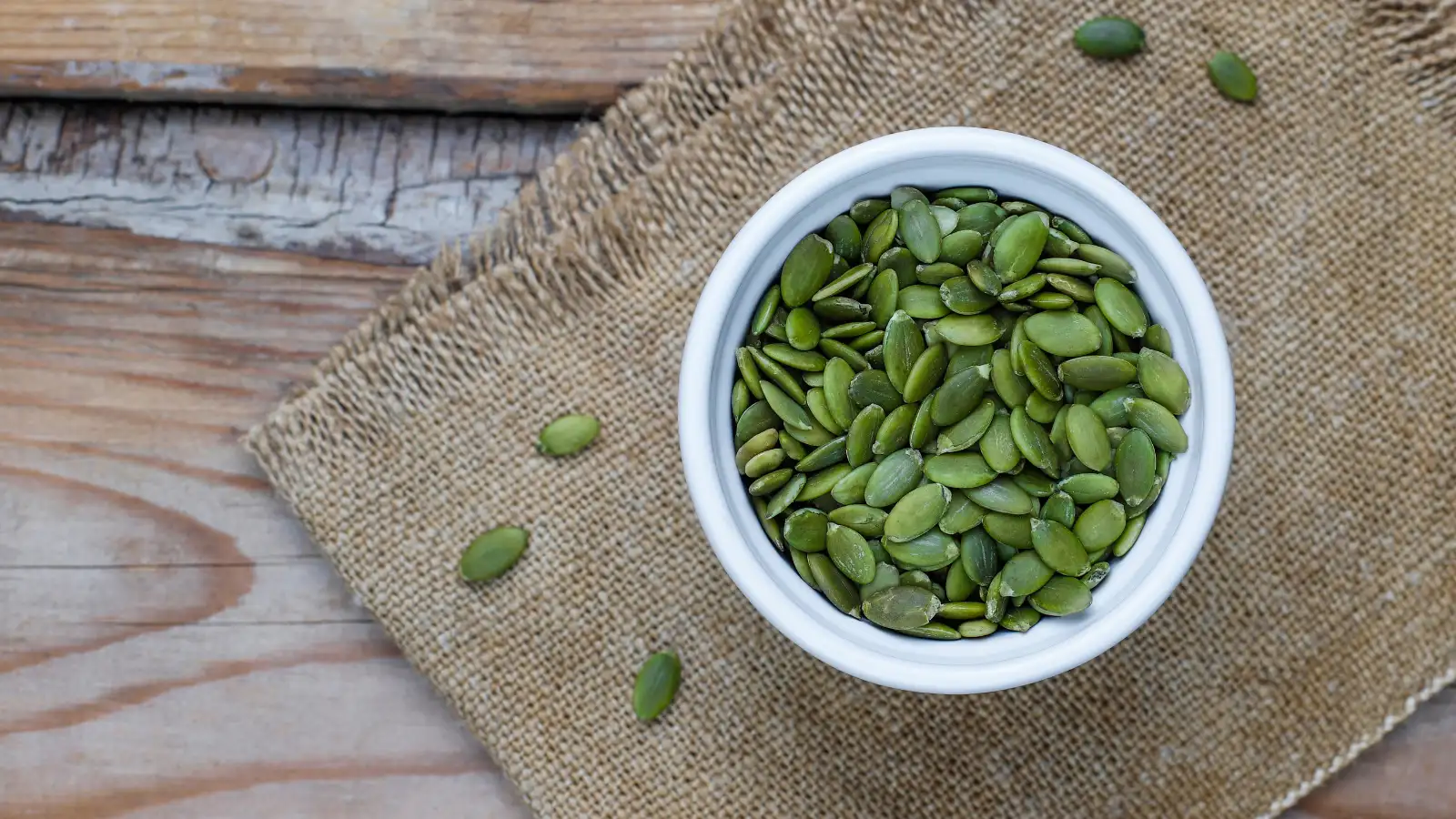
1. Bloating And Gas
Pumpkin seeds are high in fibre, which supports gut health in moderate portions. However, consuming excess fibre can overwhelm your digestive system. When you eat too many pumpkin seeds, fermentation increases in the gut, leading to bloating, gas and abdominal discomfort. This is one of the most common pumpkin seeds side effects .
2. Constipation Or Loose Stools
The fibre in pumpkin seeds includes both soluble and insoluble types. Too much insoluble fibre may speed up digestion and cause loose stools. On the other hand, insufficient water intake alongside high fibre can lead to constipation. Your reaction depends largely on hydration and overall dietary balance.
3. Stomach Cramps And Indigestion
Pumpkin seeds have a dense outer shell and contain fats that take time to digest. Overconsumption can result in heaviness, cramps or indigestion. Individuals with sensitive stomachs may feel increased acidity. Poor chewing can worsen discomfort, as larger pieces are harder for the stomach to break down.
4. Excess Calorie Intake
Although healthy, pumpkin seeds are calorie-dense. One cup of roasted seeds contains roughly 285 calories. Multiple handfuls can quickly exceed your daily energy needs, potentially contributing to gradual weight gain if consumed frequently in large quantities.
5. High Sodium Levels
Many packaged pumpkin seeds are heavily salted. Eating too many salted pumpkin seeds may raise sodium intake, causing water retention, puffiness and temporary increases in blood pressure. Monitoring salt consumption is essential for heart health.
6. Mineral Imbalance
Pumpkin seeds are rich in zinc and magnesium. While beneficial in moderate amounts, excessive zinc intake over time may interfere with copper absorption, leading to potential deficiencies.
How Much Pumpkin Seeds Are Safe Daily?
The recommended daily intake of pumpkin seeds is about 30 grams (approximately a quarter cup). This portion delivers protein, fibre and essential minerals without overwhelming your digestive system. Drinking plenty of water alongside fibre-rich foods further supports smooth digestion.
Pumpkin seeds remain a nutritious snack, just remember that moderation is key to avoiding the side effects of eating too many pumpkin seeds.
1. Bloating And Gas
Pumpkin seeds are high in fibre, which supports gut health in moderate portions. However, consuming excess fibre can overwhelm your digestive system. When you eat too many pumpkin seeds, fermentation increases in the gut, leading to bloating, gas and abdominal discomfort. This is one of the most common pumpkin seeds side effects . 2. Constipation Or Loose Stools
The fibre in pumpkin seeds includes both soluble and insoluble types. Too much insoluble fibre may speed up digestion and cause loose stools. On the other hand, insufficient water intake alongside high fibre can lead to constipation. Your reaction depends largely on hydration and overall dietary balance.You may also like
 Oudh Bar Association urges CJI to expunge adverse remarks against Allahabad HC judge
- Global fraternity must join hands to tackle evolving maritime challenges: Defence Minister inaugurates Exercise MILAN in Vizag
 Italy's Cricket Team Coach Makes Big Demand To ICC, Recognise Warm-Up Matches As….
 Namma Metro may soon permit sealed liquor bottles on trains
 Bihar: Junior engineer arrested while accepting bribe of Rs 9,000
3. Stomach Cramps And Indigestion
Pumpkin seeds have a dense outer shell and contain fats that take time to digest. Overconsumption can result in heaviness, cramps or indigestion. Individuals with sensitive stomachs may feel increased acidity. Poor chewing can worsen discomfort, as larger pieces are harder for the stomach to break down. 4. Excess Calorie Intake
Although healthy, pumpkin seeds are calorie-dense. One cup of roasted seeds contains roughly 285 calories. Multiple handfuls can quickly exceed your daily energy needs, potentially contributing to gradual weight gain if consumed frequently in large quantities.5. High Sodium Levels
Many packaged pumpkin seeds are heavily salted. Eating too many salted pumpkin seeds may raise sodium intake, causing water retention, puffiness and temporary increases in blood pressure. Monitoring salt consumption is essential for heart health. 6. Mineral Imbalance
Pumpkin seeds are rich in zinc and magnesium. While beneficial in moderate amounts, excessive zinc intake over time may interfere with copper absorption, leading to potential deficiencies. How Much Pumpkin Seeds Are Safe Daily?
The recommended daily intake of pumpkin seeds is about 30 grams (approximately a quarter cup). This portion delivers protein, fibre and essential minerals without overwhelming your digestive system. Drinking plenty of water alongside fibre-rich foods further supports smooth digestion. Pumpkin seeds remain a nutritious snack, just remember that moderation is key to avoiding the side effects of eating too many pumpkin seeds.






More from our partners


Loving Newspoint? Download the app now
