
Rajasthani Ker Sangri Recipe: How to Prepare This Distinctive Desert Bean Dish

Ker sangri is a traditional Rajasthani preparation made with dried desert beans and berries that are valued for their ability to keep well in an arid climate. The ingredients are usually soaked before cooking, then combined with yoghurt or a spiced oil-based masala, depending on the household method.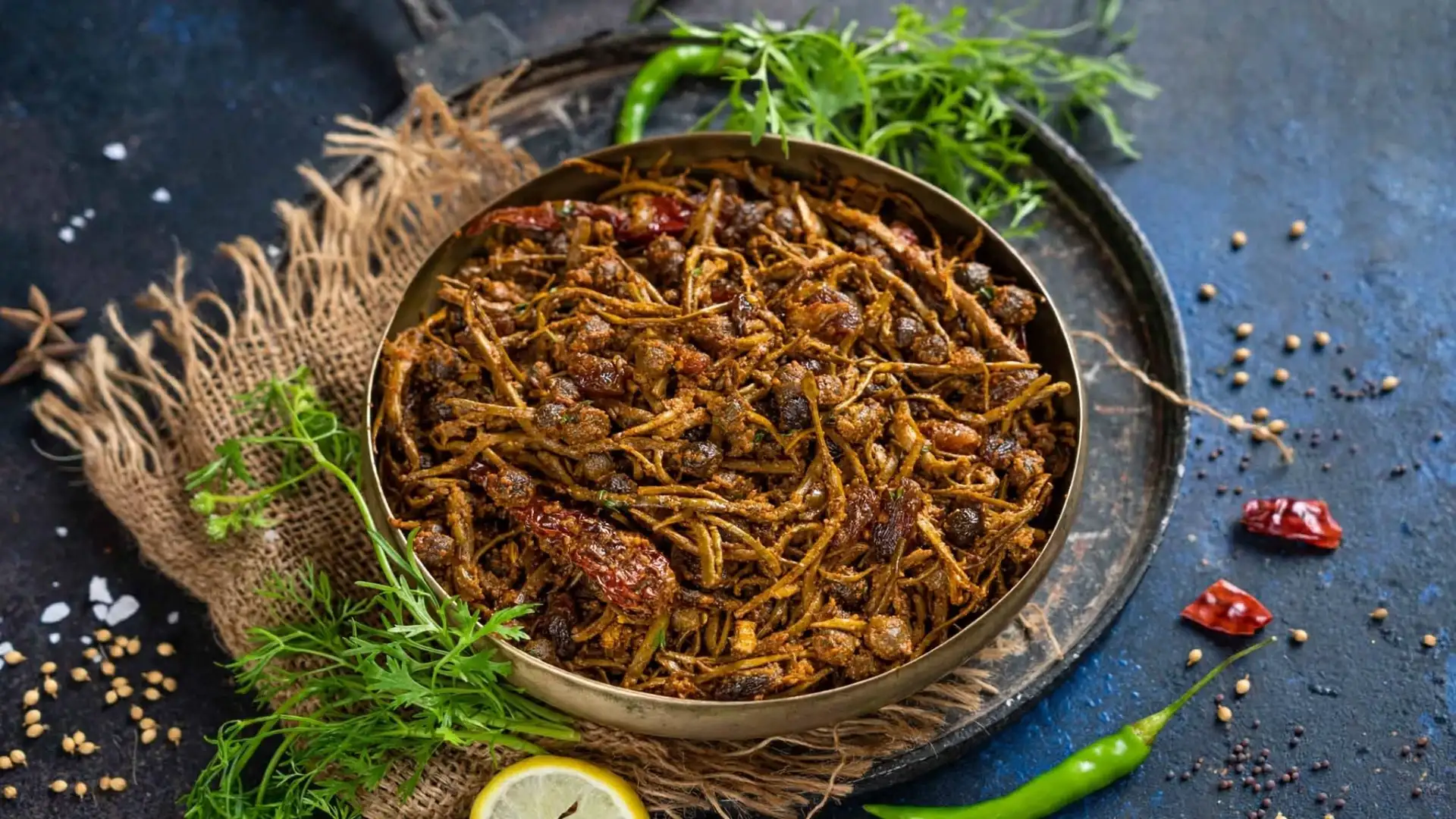
Its distinctive flavour comes from the ingredients themselves and a careful balance of chilli, coriander and other spices. Because dried ker and sangri can vary in texture and saltiness, rinsing and soaking are important first steps. The dish is commonly served with roti or another simple accompaniment. Adjust soaking to the batch.
Sort through the dried ingredients and remove any grit or damaged pieces. Rinse several times. Soak the sangri and ker separately in plenty of water, preferably overnight. Ker can be quite bitter, so drain and rinse it well after soaking.
Add the cooked ker and sangri. Mix gently to coat the pieces. Sprinkle in a little water if the mixture looks dry, then cover and cook over low heat for several minutes. Stir occasionally, taking care not to crush the ingredients. Add salt only after tasting, then finish with amchur for a gentle tang.
Cool leftovers promptly and refrigerate in a covered container. Reheat thoroughly in a pan with a little water. Soaking, rinsing and tasting help balance bitterness without masking the dish's distinctive flavour.
Image Courtesy: Meta AI
Its distinctive flavour comes from the ingredients themselves and a careful balance of chilli, coriander and other spices. Because dried ker and sangri can vary in texture and saltiness, rinsing and soaking are important first steps. The dish is commonly served with roti or another simple accompaniment. Adjust soaking to the batch.
Ingredients and soaking
For four servings, use ½ cup dried sangri, ¼ cup dried ker, 2 tablespoons mustard oil, ½ teaspoon cumin seeds, ¼ teaspoon carom seeds, a pinch of asafoetida, ¼ teaspoon turmeric, 1 teaspoon ground coriander, ½ teaspoon chilli powder, ½ teaspoon amchur and salt. Keep water for soaking and cooking. Some dried mixes may already contain salt, so taste before seasoning.Sort through the dried ingredients and remove any grit or damaged pieces. Rinse several times. Soak the sangri and ker separately in plenty of water, preferably overnight. Ker can be quite bitter, so drain and rinse it well after soaking.
Cook until tender
Drain the soaked ingredients. Simmer them separately in fresh water until tender, checking the texture rather than relying only on the clock. Sangri should soften but retain its shape; ker should lose its harsh bitterness. Drain thoroughly.Make the spice base
Heat mustard oil in a heavy pan until it reaches smoking point, then lower the heat and allow it to cool slightly. Add cumin, carom seeds and asafoetida. When fragrant, add turmeric, coriander and chilli powder, stirring briefly so the spices do not burn.Add the cooked ker and sangri. Mix gently to coat the pieces. Sprinkle in a little water if the mixture looks dry, then cover and cook over low heat for several minutes. Stir occasionally, taking care not to crush the ingredients. Add salt only after tasting, then finish with amchur for a gentle tang.
Serve and store
Ker sangri is commonly served as a dry or semi-dry accompaniment with roti, bajra roti or a simple meal of dal and rice. If still firm, add water and cook longer over low heat.Cool leftovers promptly and refrigerate in a covered container. Reheat thoroughly in a pan with a little water. Soaking, rinsing and tasting help balance bitterness without masking the dish's distinctive flavour.
Image Courtesy: Meta AI
Next Story