
Raw vs Ripe Banana Benefits: Which Is Better for Digestion, Blood Sugar and Weight Loss?

Bananas are a popular everyday fruit, but choosing between green and yellow bananas can make a difference to your diet. The debate around raw vs ripe banana often comes down to gut health, blood sugar levels, digestion and weight management. While green bananas are rich in resistant starch that supports beneficial gut bacteria, ripe bananas contain more readily available natural sugars and are easier to digest. Understanding how these two forms differ can help you choose the right banana according to your nutritional needs and health goals.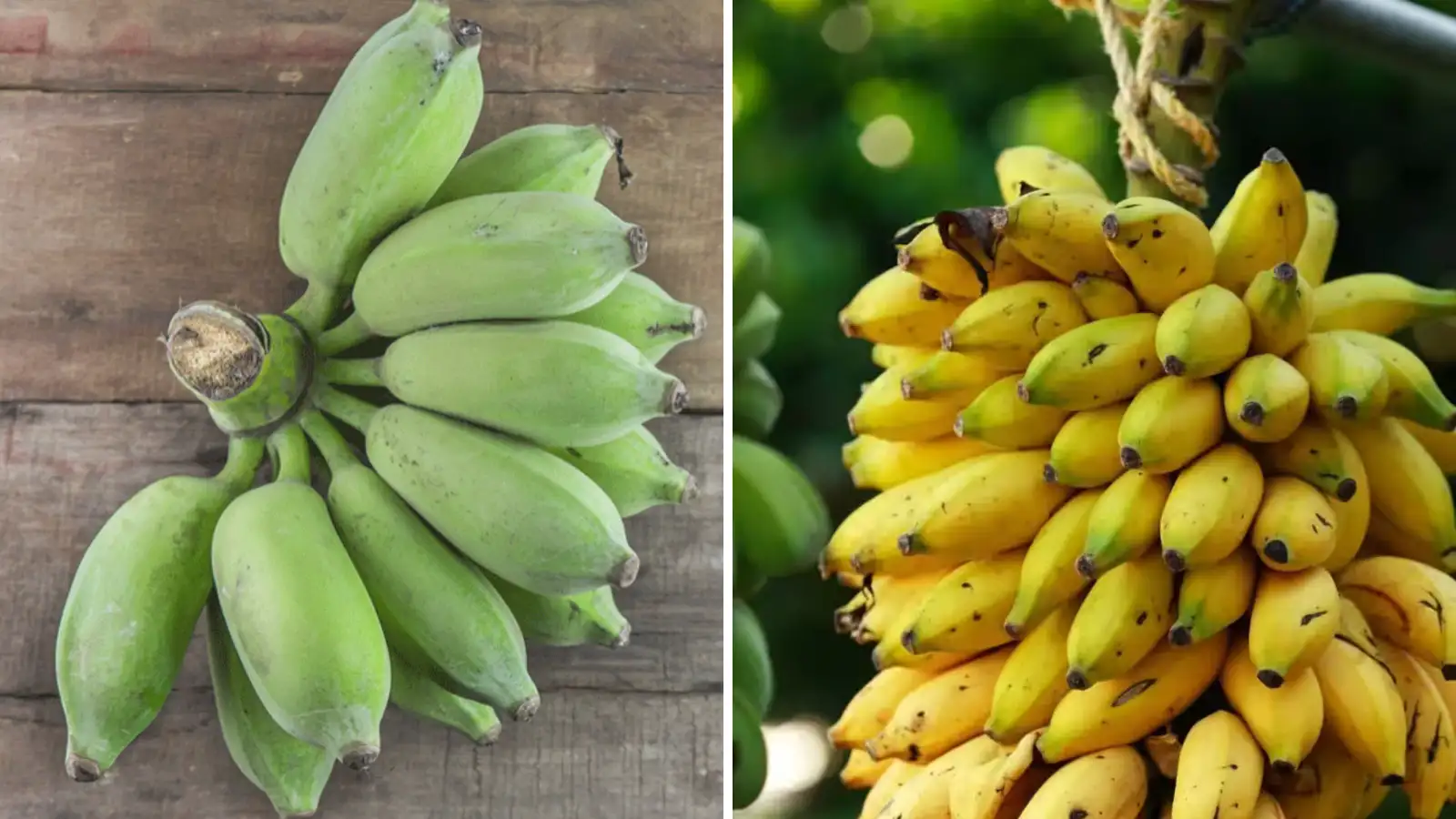
Both varieties provide essential nutrients, including potassium, vitamin B6 and dietary fibre. However, their effects on digestion, energy levels and blood glucose can vary depending on their ripeness and portion size.
Here is a quick comparison:
This process produces short-chain fatty acids, including butyrate, which help nourish the cells lining the colon and support a healthy intestinal environment.
The fibre and resistant starch in green bananas may also help improve bowel regularity and promote a feeling of fullness. Including them in a balanced diet can be useful for people looking to increase their fibre intake and support digestive health.
However, eating large quantities of resistant starch may cause gas, bloating or discomfort in some people. Increasing fibre intake gradually and drinking enough water can help minimise these effects.
Best choice: Green bananas can be a useful option for people who want to increase resistant starch intake and support a healthy gut microbiome.
Their soft texture makes them a convenient food for children, older adults and people who prefer foods that are gentle on the stomach. Ripe bananas can also be helpful when appetite is low or a simple snack is needed.
However, individual tolerance varies. Some people may experience bloating or discomfort after eating bananas, regardless of ripeness. People with specific digestive conditions may also respond differently to green and ripe varieties.
Best choice: Ripe bananas are a convenient option when you want a soft, easy-to-eat fruit that provides carbohydrates and essential nutrients.
Green bananas contain more resistant starch, which can slow carbohydrate digestion and may result in a more gradual rise in blood glucose. As bananas ripen, the amount of readily digestible sugar increases, potentially leading to a faster glucose response.
However, this does not mean that ripe bananas are unhealthy or unsuitable for everyone with diabetes. Their effect on blood sugar depends on several factors, including portion size, the degree of ripeness, what else you eat and your individual glucose response.
People managing diabetes or prediabetes can consider these practical tips:
Ripe bananas can also fit into a weight-loss diet. Although their natural sugar content is higher, they provide fibre and nutrients and can satisfy sweet cravings without requiring added sugar.
Neither variety automatically causes weight gain or weight loss. Your overall calorie intake, physical activity and eating habits play a much bigger role in determining changes in body weight.
For a filling snack, try adding banana slices to plain yoghurt, oats or a small portion of nuts. This combination provides a mix of carbohydrates, protein and fat that may help keep hunger under control.
Best choice: Green bananas may help with fullness, but both green and ripe bananas can be part of a balanced weight-management plan.
Ripe bananas contain more readily available sugars, making them a convenient source of carbohydrates before or after exercise. They can help replenish energy stores after a workout and are easy to carry as a quick snack.
Green bananas release some of their carbohydrates more gradually because of their higher resistant starch content. They may be useful as part of a meal when you want a more filling option rather than a quick source of energy.
For post-workout recovery, bananas can be paired with milk, yoghurt or another protein source. This combination provides carbohydrates alongside protein, which supports muscle recovery.
Best choice: Ripe bananas are convenient for quick energy, while green bananas may provide greater fullness. Your activity level and meal timing should guide your decision.
Boiling or steaming green bananas can soften their texture and make them easier to eat. Cooking methods also affect the amount of resistant starch that remains, so the nutritional benefits may vary depending on how the fruit is prepared.
Eat them fresh as a snack.
The ideal quantity depends on your overall diet, energy requirements and health conditions. One medium banana can be a convenient serving for many people, but those managing blood sugar may need to consider its carbohydrate content within their daily meal plan.
You do not need to avoid ripe bananas simply because they contain more natural sugar. Similarly, green bananas are not automatically better for everyone. Choosing a variety of fruits and vegetables is important for obtaining a broader range of nutrients.
People with diabetes, kidney disease or specific dietary restrictions should seek individualised advice from a healthcare professional when deciding how bananas fit into their diet.
Raw vs Ripe Banana: What Is the Difference?
The biggest difference between raw and ripe bananas lies in their starch and sugar content. Green bananas are firm, less sweet and contain more resistant starch. As bananas ripen, their starch gradually breaks down into simpler sugars, making the fruit softer, sweeter and easier to digest.Both varieties provide essential nutrients, including potassium, vitamin B6 and dietary fibre. However, their effects on digestion, energy levels and blood glucose can vary depending on their ripeness and portion size.
Here is a quick comparison:
- Raw green bananas: Higher in resistant starch, less sweet and generally more filling.
- Ripe yellow bananas: Sweeter, softer and easier to digest, with more readily available carbohydrates.
- For gut health: Green bananas can support beneficial gut bacteria, while ripe bananas may be gentler on a sensitive stomach.
- For blood sugar: Green bananas may produce a slower glucose response, although the actual effect depends on ripeness, portion size and individual health.
- For energy: Ripe bananas provide readily available carbohydrates, making them a convenient snack before or after physical activity.
1. Raw Bananas for Gut Health: How Do They Help?
Green bananas are particularly valued for their resistant starch content. Unlike ordinary starch, resistant starch is not completely broken down in the small intestine. Instead, some of it reaches the large intestine, where beneficial gut bacteria ferment it.This process produces short-chain fatty acids, including butyrate, which help nourish the cells lining the colon and support a healthy intestinal environment.
The fibre and resistant starch in green bananas may also help improve bowel regularity and promote a feeling of fullness. Including them in a balanced diet can be useful for people looking to increase their fibre intake and support digestive health.
However, eating large quantities of resistant starch may cause gas, bloating or discomfort in some people. Increasing fibre intake gradually and drinking enough water can help minimise these effects.
Best choice: Green bananas can be a useful option for people who want to increase resistant starch intake and support a healthy gut microbiome.
2. Are Ripe Bananas Easier to Digest?
As bananas mature, their texture becomes softer and much of their starch converts into sugars. This makes ripe bananas easier to chew and generally easier to digest than firm, unripe bananas.Their soft texture makes them a convenient food for children, older adults and people who prefer foods that are gentle on the stomach. Ripe bananas can also be helpful when appetite is low or a simple snack is needed.
However, individual tolerance varies. Some people may experience bloating or discomfort after eating bananas, regardless of ripeness. People with specific digestive conditions may also respond differently to green and ripe varieties.
Best choice: Ripe bananas are a convenient option when you want a soft, easy-to-eat fruit that provides carbohydrates and essential nutrients.
3. Raw vs Ripe Banana for Blood Sugar: Which Is Better?
Blood sugar management is one of the most important considerations when comparing green and ripe bananas.Green bananas contain more resistant starch, which can slow carbohydrate digestion and may result in a more gradual rise in blood glucose. As bananas ripen, the amount of readily digestible sugar increases, potentially leading to a faster glucose response.
However, this does not mean that ripe bananas are unhealthy or unsuitable for everyone with diabetes. Their effect on blood sugar depends on several factors, including portion size, the degree of ripeness, what else you eat and your individual glucose response.
People managing diabetes or prediabetes can consider these practical tips:
- Choose smaller portions and monitor how your blood glucose responds.
- Pair bananas with protein or healthy fats, such as unsweetened yoghurt or a small serving of nuts.
- Avoid adding extra sugar or sweetened syrups to banana smoothies.
- Consider less-ripe bananas if they suit your digestion and dietary preferences.
- Follow your healthcare professional's advice on carbohydrate intake and meal planning.
4. Which Banana Is Better for Weight Loss?
If weight management is your goal, green bananas may have an advantage because their resistant starch and fibre can help you feel full for longer. Feeling satisfied after meals may make it easier to manage hunger and avoid unnecessary snacking.Ripe bananas can also fit into a weight-loss diet. Although their natural sugar content is higher, they provide fibre and nutrients and can satisfy sweet cravings without requiring added sugar.
Neither variety automatically causes weight gain or weight loss. Your overall calorie intake, physical activity and eating habits play a much bigger role in determining changes in body weight.
For a filling snack, try adding banana slices to plain yoghurt, oats or a small portion of nuts. This combination provides a mix of carbohydrates, protein and fat that may help keep hunger under control.
Best choice: Green bananas may help with fullness, but both green and ripe bananas can be part of a balanced weight-management plan.
5. Raw vs Ripe Banana for Energy: Which Should You Eat?
The best banana for energy depends on when you plan to eat it and what your body needs.Ripe bananas contain more readily available sugars, making them a convenient source of carbohydrates before or after exercise. They can help replenish energy stores after a workout and are easy to carry as a quick snack.
Green bananas release some of their carbohydrates more gradually because of their higher resistant starch content. They may be useful as part of a meal when you want a more filling option rather than a quick source of energy.
For post-workout recovery, bananas can be paired with milk, yoghurt or another protein source. This combination provides carbohydrates alongside protein, which supports muscle recovery.
Best choice: Ripe bananas are convenient for quick energy, while green bananas may provide greater fullness. Your activity level and meal timing should guide your decision.
6. How to Eat Raw and Ripe Bananas
Green and ripe bananas can both be included in everyday meals, but they are commonly prepared in different ways.Ways to Eat Raw Green Bananas
Green bananas are firm and starchy, making them suitable for savoury dishes. In Indian cooking, they are commonly used in:- Raw banana curry and dry sabzi
- Banana cutlets and tikkis
- Steamed or boiled banana preparations
- Homemade raw banana chips
Boiling or steaming green bananas can soften their texture and make them easier to eat. Cooking methods also affect the amount of resistant starch that remains, so the nutritional benefits may vary depending on how the fruit is prepared.
Ways to Eat Ripe Bananas
Ripe bananas have a naturally sweet flavour and soft texture, making them suitable for quick snacks and sweet recipes. You can enjoy them in several ways:Eat them fresh as a snack.
- Add sliced bananas to oats or breakfast cereal.
- Blend them into smoothies without added sugar.
- Mix mashed bananas into pancake or cake batter.
- Pair them with yoghurt, nuts or nut butter for a more balanced snack.
7. Can You Eat Bananas Every Day?
For most healthy people, eating bananas daily can be part of a nutritious and balanced diet. They provide potassium, vitamin B6, carbohydrates and fibre, all of which contribute to normal body functions.The ideal quantity depends on your overall diet, energy requirements and health conditions. One medium banana can be a convenient serving for many people, but those managing blood sugar may need to consider its carbohydrate content within their daily meal plan.
You do not need to avoid ripe bananas simply because they contain more natural sugar. Similarly, green bananas are not automatically better for everyone. Choosing a variety of fruits and vegetables is important for obtaining a broader range of nutrients.
People with diabetes, kidney disease or specific dietary restrictions should seek individualised advice from a healthcare professional when deciding how bananas fit into their diet.
Raw vs Ripe Banana: Which One Should You Choose?
The better option depends on your health goals, digestive comfort and personal preferences. Both green and ripe bananas offer nutritional benefits, so there is no need to choose one exclusively.- For gut health: Green bananas provide more resistant starch, which can nourish beneficial gut bacteria.
- For easier digestion: Ripe bananas have a softer texture and are often easier to digest.
- For blood sugar management: Less-ripe bananas may produce a slower glucose response, but portion size and individual responses remain important.
- For weight management: Green bananas may promote fullness, while ripe bananas can satisfy sweet cravings.
- For quick energy: Ripe bananas offer readily available carbohydrates that are useful around physical activity.
Next Story