
Why Quince Could Become the Most Interesting Fruit in Your Kitchen

Apples, bananas, and oranges dominate supermarket shelves, but one old-fashioned fruit is slowly finding its way back into conversations about cooking and nutrition. Quince, a golden-yellow fruit once common in British gardens, has become one of the most overlooked ingredients in modern kitchens.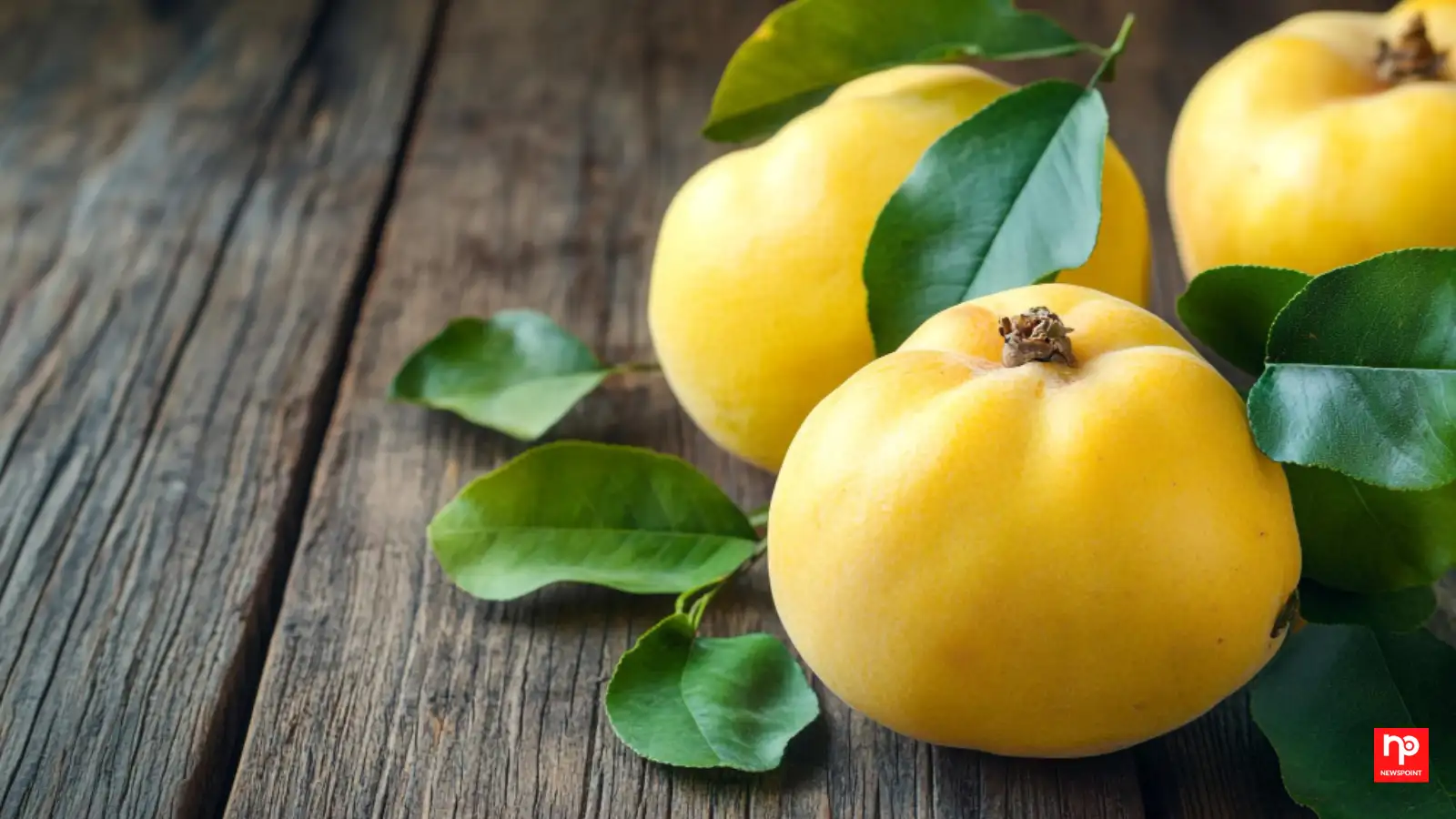
At first glance, quince looks similar to a pear or apple, but its flavour and texture are entirely different. Unlike most fruits, it is rarely eaten raw because the flesh is firm, tart, and slightly grainy. However, once cooked, quince transforms into something surprisingly fragrant and delicate.
Many chefs describe its aroma as a blend of apple, honey, and citrus.
Modern shoppers often choose produce that can be eaten immediately. Quince demands patience. It usually needs peeling, slow cooking, or baking before it becomes enjoyable.
As a result, many younger people have never tasted it or even heard of it.
Some nutrition enthusiasts have also shown growing interest in quince because it contains fewer sugars than many processed desserts when prepared carefully at home.
Cooked quince can add flavour naturally without relying heavily on artificial sweeteners or syrups.
One popular method involves simmering sliced quince with cinnamon and honey until the fruit softens and turns pinkish-red. The texture becomes tender and aromatic, making it ideal for puddings or breakfast toppings.
Quince paste is also widely enjoyed with cheese in several European countries.
Quince perfectly reflects that trend. It is not flashy or trendy in the usual sense, but it offers something many modern foods lack. It feels connected to slower cooking, seasonal eating, and homemade recipes.
In a world filled with ultra-processed snacks and identical supermarket choices, older fruits like quince provide variety and curiosity again.
Sometimes the most interesting foods are not new discoveries at all. They are simply ingredients people forgot to appreciate.
At first glance, quince looks similar to a pear or apple, but its flavour and texture are entirely different. Unlike most fruits, it is rarely eaten raw because the flesh is firm, tart, and slightly grainy. However, once cooked, quince transforms into something surprisingly fragrant and delicate.
Many chefs describe its aroma as a blend of apple, honey, and citrus.
Why People Stopped Using Quince
Quince was widely used generations ago in jams, preserves, desserts, and traditional winter dishes. Over time, faster lifestyles and supermarket convenience pushed it aside. Easier fruits became more popular because they required less preparation.Modern shoppers often choose produce that can be eaten immediately. Quince demands patience. It usually needs peeling, slow cooking, or baking before it becomes enjoyable.
As a result, many younger people have never tasted it or even heard of it.
The Health Benefits Hidden Inside the Fruit
Quince contains fibre, vitamin C, and plant compounds linked to antioxidant properties. Because it is not heavily processed or widely commercialised, it has remained a fairly natural and traditional food source.Some nutrition enthusiasts have also shown growing interest in quince because it contains fewer sugars than many processed desserts when prepared carefully at home.
Cooked quince can add flavour naturally without relying heavily on artificial sweeteners or syrups.
You may also like
- Disease is spreading where the food is being cooked; is the kitchen sink making your children sick, too?
- Why some front garden borders look expensive even with fewer plants?
- Milk Tea or Black Tea Benefits: With or without milk... which tea is more profitable? Learn from the experts.
- Mango Storage Tips: Should mangoes be kept in the refrigerator? Learn the best way to store them.
- Sitting Too Long on the Toilet: Do you find yourself sitting on the toilet for more than 15 minutes?
Simple Ways to Use Quince at Home
Although quince may sound unfamiliar, it fits easily into ordinary cooking. Slow-cooked quince pairs particularly well with oats, yoghurt, roasted meats, or warm desserts during colder months.One popular method involves simmering sliced quince with cinnamon and honey until the fruit softens and turns pinkish-red. The texture becomes tender and aromatic, making it ideal for puddings or breakfast toppings.
Quince paste is also widely enjoyed with cheese in several European countries.
Why Traditional Foods Are Making a Comeback
There is growing interest in forgotten ingredients because people increasingly want food with character, history, and authenticity. Social media has introduced many consumers to unusual produce that once disappeared from everyday life.Quince perfectly reflects that trend. It is not flashy or trendy in the usual sense, but it offers something many modern foods lack. It feels connected to slower cooking, seasonal eating, and homemade recipes.
In a world filled with ultra-processed snacks and identical supermarket choices, older fruits like quince provide variety and curiosity again.
A Fruit Worth Rediscovering
Quince may never become as common as apples or bananas, but that is partly what makes it appealing. It encourages people to experiment, cook differently, and reconnect with ingredients that once played an important role in home kitchens.Sometimes the most interesting foods are not new discoveries at all. They are simply ingredients people forgot to appreciate.






More from our partners


Loving Newspoint? Download the app now
