
Remember When Summers Felt Endless? Why Time Feels Faster With Age

Remember how school holidays once seemed to last forever? A single summer could feel packed with adventures, while waiting for a birthday seemed to take ages. As adults, however, many people notice something very different. Weeks pass quickly, months seem to disappear and another year arrives before they realise it.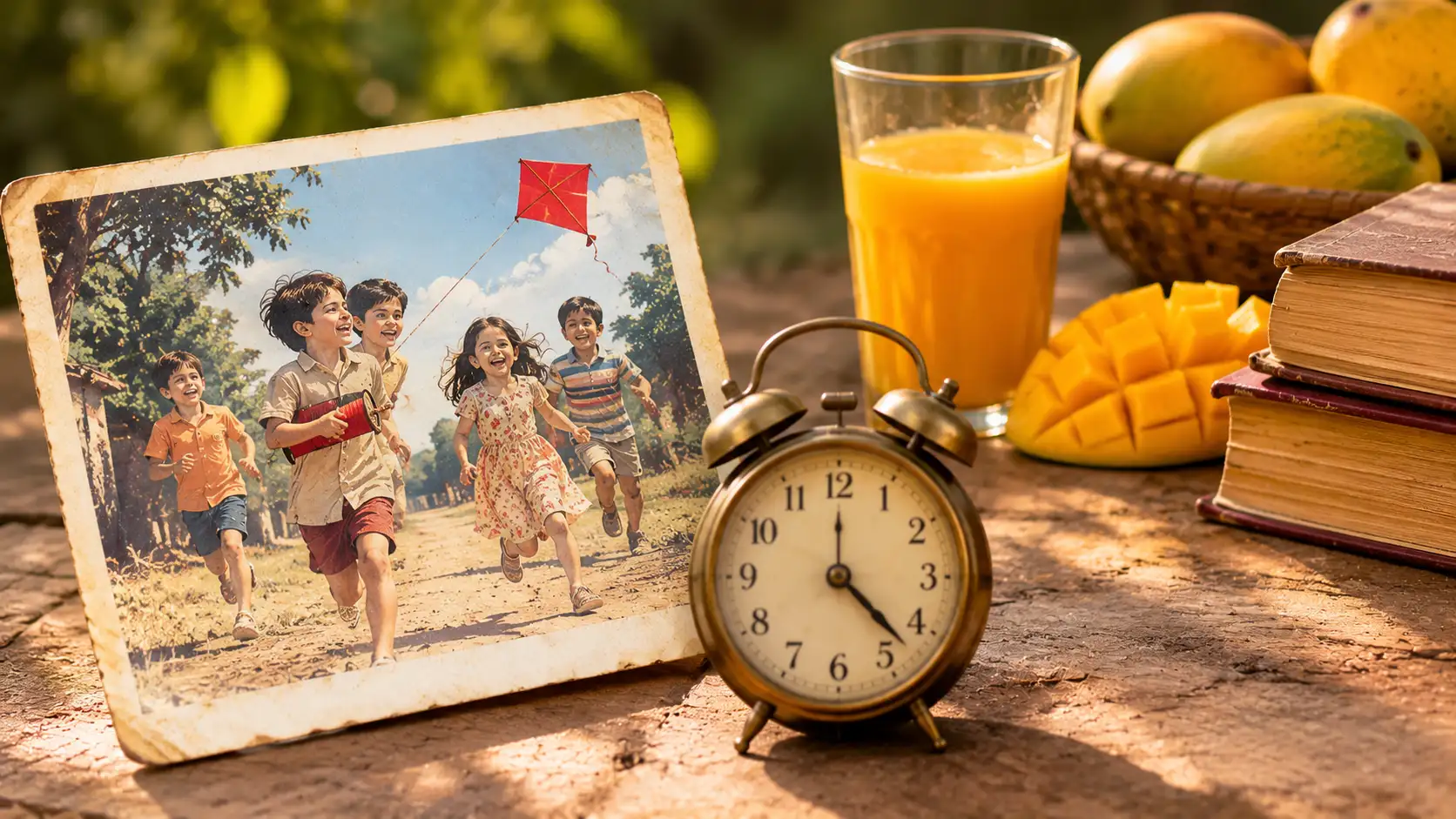
Of course, time itself does not speed up as we grow older. What changes is how our minds experience and remember it. Psychologists have explored several possible explanations for this familiar feeling, including routine, attention, memory and the proportion of life represented by a particular period.
New experiences often receive more attention and may create distinctive memories.
When we look back, periods filled with memorable events can seem longer than periods dominated by similar routines.
When many days resemble one another, fewer events may stand out clearly in memory.
Looking back on several similar weeks can therefore create the impression that the period passed quickly.
This does not necessarily mean every individual day felt short while it was happening.
For a five-year-old, one year is a substantial part of their entire life. For a fifty-year-old, the same year represents a much smaller fraction.
Although this idea is intuitive, it is not a complete scientific explanation for how people experience time.
Waiting without distractions may make minutes feel slow, while concentrating on an enjoyable activity can make hours seem to pass quickly.
Researchers distinguish between how we experience time in the moment and how long a period feels when we remember it later.
Learning a language, exploring a new neighbourhood, taking up a hobby or spending time with different people can add variety to everyday life.
These experiences do not literally slow time, but they may make periods feel richer when recalled.
Simple activities such as walking without distractions, enjoying a meal or observing seasonal changes can encourage greater awareness of the present.
While we cannot control the clock, we can choose how we spend our time. Creating meaningful experiences, maintaining relationships and occasionally breaking familiar routines may help life feel fuller and more memorable.
Of course, time itself does not speed up as we grow older. What changes is how our minds experience and remember it. Psychologists have explored several possible explanations for this familiar feeling, including routine, attention, memory and the proportion of life represented by a particular period.
Why Childhood Often Feels Longer
Childhood is filled with unfamiliar experiences. Learning new skills, visiting different places and discovering the world can make everyday life feel eventful.New experiences often receive more attention and may create distinctive memories.
When we look back, periods filled with memorable events can seem longer than periods dominated by similar routines.
Routine May Change How We Remember Time
Adult life often involves repeated schedules, including work, commuting, household responsibilities and regular appointments.When many days resemble one another, fewer events may stand out clearly in memory.
Looking back on several similar weeks can therefore create the impression that the period passed quickly.
This does not necessarily mean every individual day felt short while it was happening.
The Proportional Theory of Time
One popular explanation suggests that a year represents a smaller proportion of our lives as we age.For a five-year-old, one year is a substantial part of their entire life. For a fifty-year-old, the same year represents a much smaller fraction.
Although this idea is intuitive, it is not a complete scientific explanation for how people experience time.
Attention Also Influences Time Perception
The way we focus our attention can change how long an experience seems to last.Waiting without distractions may make minutes feel slow, while concentrating on an enjoyable activity can make hours seem to pass quickly.
You may also like
- Less controversial, more 'extraOrdinary'
- BTS' V Learns About Diwali From Indian Fans, His 'Diwali Mubarak' Wish Wins Hearts
- Do only early risers become toppers? Discover the real formulas for success in board exams.
- Shraddha Kapoor's minimal Diwali look has a fashion lesson for every wedding guest
- Delhi air pollution: Levels hit 60 times WHO limit, but can policy change?
Researchers distinguish between how we experience time in the moment and how long a period feels when we remember it later.
Can New Experiences Make Life Feel Longer?
Trying unfamiliar activities may create more distinctive memories.Learning a language, exploring a new neighbourhood, taking up a hobby or spending time with different people can add variety to everyday life.
These experiences do not literally slow time, but they may make periods feel richer when recalled.
Why Mindfulness Can Be Helpful
Paying attention to everyday experiences may help people notice details that otherwise disappear into routine.Simple activities such as walking without distractions, enjoying a meal or observing seasonal changes can encourage greater awareness of the present.
Make Your Days More Memorable
The feeling that time accelerates with age is influenced by several factors, and researchers have not identified one explanation that accounts for everyone's experience.While we cannot control the clock, we can choose how we spend our time. Creating meaningful experiences, maintaining relationships and occasionally breaking familiar routines may help life feel fuller and more memorable.






Loving Newspoint? Download the app now
