
No Space for a Kitchen Garden? You Can Now Rent a Farm to Grow Your Own Vegetables

Living in a city often means making peace with limited space. You may have a balcony too small for more than a few pots, no terrace to grow vegetables on and barely enough time to care for houseplants. Yet you may still want to know where your food comes from, how it is grown and what goes into producing it.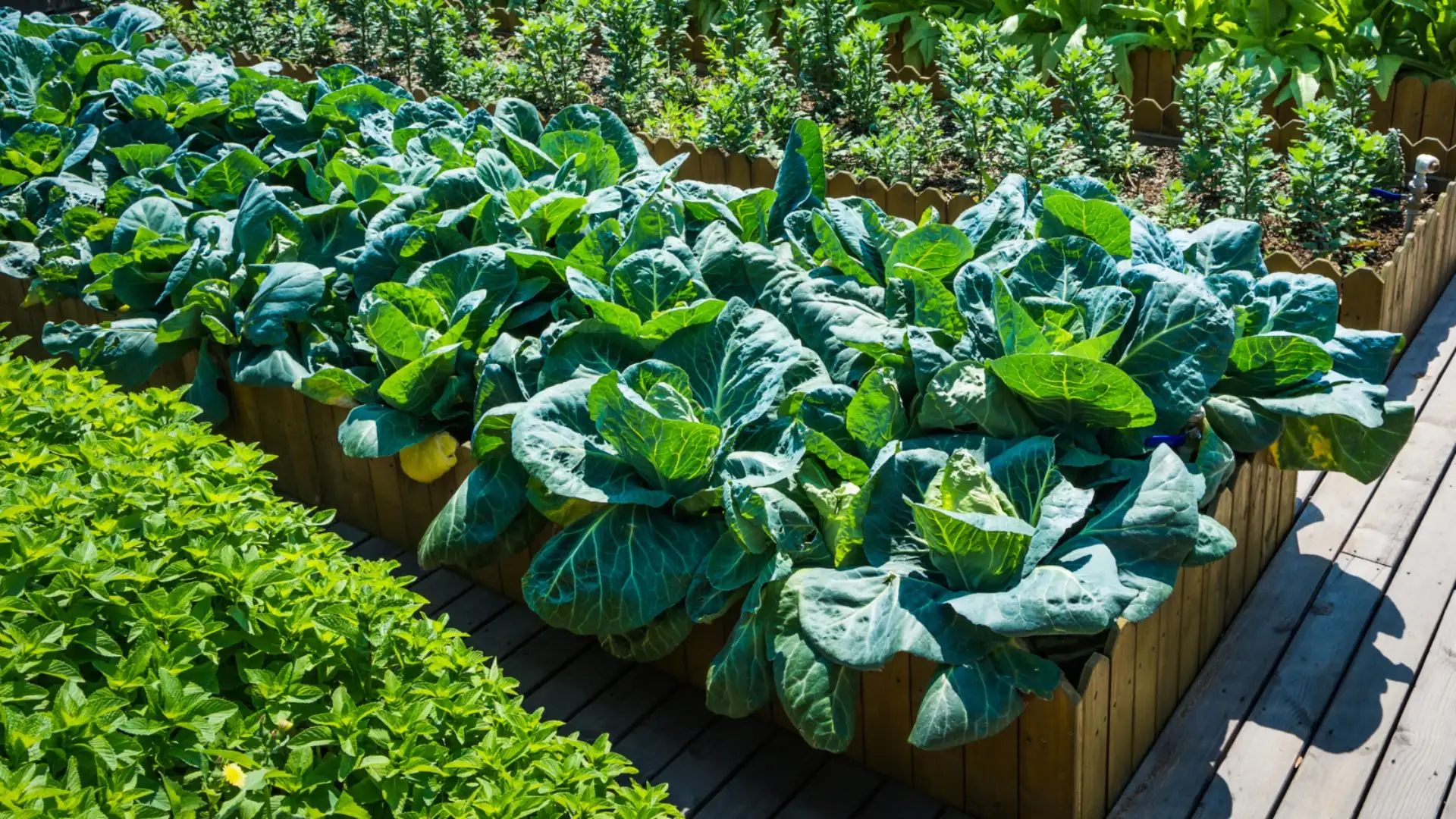
That is where the idea of renting a farm comes in. Instead of purchasing agricultural land or attempting to create a kitchen garden at home, urban consumers can pay for access to a plot where vegetables are grown for them or cultivate the produce themselves.
The model is gaining attention in India, with ventures such as Gill Organics in Punjab and Vaksana Farms in Tamil Nadu offering different ways to reconnect consumers with food production. While one takes care of the farming and delivers the harvest, the other allows customers to experience the process more directly.
The concept raises an interesting question: could renting a farm become an alternative for people who want fresh produce but lack the space, time or expertise to grow it themselves?
The first option is designed for people who want greater control over what they eat without taking on the work of cultivation. The second appeals to those who want to learn farming and experience the process from planting to harvesting.
Gill Organics, founded by Mantaj Sindhu, follows the first model. Customers can choose seasonal vegetables for a dedicated plot, while the team manages cultivation and maintenance. The produce is then delivered to their homes every week.
The company's six-month subscription offers a plot of around 150 square yards. According to the India Today report, the service is available in Patiala, Chandigarh Tricity and Ludhiana, with subscriptions priced at Rs 35,000 in Patiala and Rs 40,000 in Chandigarh Tricity and Ludhiana.
The company estimates that a plot can meet around 60 to 70 per cent of the weekly vegetable and salad requirements of a family of four to five, depending on the season.
For customers, the attraction is straightforward: they can have a say in what is grown without needing to buy land, purchase equipment or spend their weekends maintaining crops.
Co-founded by Kiruba Shankar, the 14-acre permaculture farm allows customers to rent plots and participate in growing their own food. The farm also grows fruit, vegetables, greens, paddy and pulses.
According to the India Today report, a plot measuring approximately 3,000 square feet was priced at Rs 15,000 per month, with larger areas also possible. The farm provides support with essentials such as water, electricity and manual labour.
The objective is not simply to obtain cheaper vegetables. It is to help people understand what farming involves, including the effort required to maintain crops and the uncertainties associated with cultivation.
Renting a plot can also serve as a trial run for people considering buying agricultural land in the future. They can learn about the practical demands of farming before making a much larger financial commitment.
Labels such as organic or pesticide-free can influence purchasing decisions, but they do not automatically tell consumers everything about a product's cultivation. Certification, farming practices and the credibility of a producer all matter when assessing such claims.
A farm subscription offers customers a more direct relationship with the people growing their food. Depending on the arrangement, they may be able to choose crops, follow the growing process or visit the land.
However, renting a farm does not automatically guarantee that produce is organic or free from pesticides. Consumers should ask about cultivation methods, the use of fertilisers and pesticides, and any relevant certification before subscribing.
The appeal, therefore, lies not just in the promise of fresh vegetables, but in having greater visibility into how they reach the kitchen.
For example, a six-month subscription costing Rs 35,000 works out to approximately Rs 5,833 per month, or around Rs 192 per day. A Rs 40,000 subscription over the same period costs approximately Rs 6,667 per month.
These figures do not automatically make the service cheaper than buying vegetables from a local market. The value depends on the quantity and quality of produce delivered, the range of crops available and the importance a customer places on being involved in food production.
For customers who want to grow vegetables themselves, the cost of renting land also needs to be weighed against travel, time and other expenses.
This is why the model may appeal more to households seeking transparency, convenience or a farming experience than to those simply looking for the lowest-cost way to buy vegetables.
Yet expanding these services is not as simple as acquiring more customers. Farms need suitable land, reliable water supplies, appropriate cultivation practices and systems for maintaining consistent quality. Businesses that promise home delivery must also manage harvesting and transport.
There are accessibility questions, too. A service located far from a customer's home may be less convenient, while subscription prices can put it beyond the reach of many households.
Rent-a-farm services are unlikely to replace neighbourhood vegetable markets or make traditional kitchen gardens irrelevant. Instead, they offer another option for people who want a closer connection with their food.
For some, that might mean receiving a weekly box of seasonal vegetables. For others, it could mean learning to plant, nurture and harvest their own crops.
The larger idea is that growing food need not be limited to people who own a house with a garden. As cities become more crowded, renting agricultural space could offer an alternative way to participate in food production.
It may not be the cheapest solution for every household, but it makes one thing possible: even without a backyard, the experience of growing your own vegetables could be within reach.
That is where the idea of renting a farm comes in. Instead of purchasing agricultural land or attempting to create a kitchen garden at home, urban consumers can pay for access to a plot where vegetables are grown for them or cultivate the produce themselves.
The model is gaining attention in India, with ventures such as Gill Organics in Punjab and Vaksana Farms in Tamil Nadu offering different ways to reconnect consumers with food production. While one takes care of the farming and delivers the harvest, the other allows customers to experience the process more directly.
The concept raises an interesting question: could renting a farm become an alternative for people who want fresh produce but lack the space, time or expertise to grow it themselves?
How does the rent-a-farm model work?
Rent-a-farm services generally operate in two ways. Customers can either pay for a dedicated plot that is maintained by a farming team, or rent land where they can participate in growing their own vegetables.The first option is designed for people who want greater control over what they eat without taking on the work of cultivation. The second appeals to those who want to learn farming and experience the process from planting to harvesting.
Gill Organics, founded by Mantaj Sindhu, follows the first model. Customers can choose seasonal vegetables for a dedicated plot, while the team manages cultivation and maintenance. The produce is then delivered to their homes every week.
The company's six-month subscription offers a plot of around 150 square yards. According to the India Today report, the service is available in Patiala, Chandigarh Tricity and Ludhiana, with subscriptions priced at Rs 35,000 in Patiala and Rs 40,000 in Chandigarh Tricity and Ludhiana.
The company estimates that a plot can meet around 60 to 70 per cent of the weekly vegetable and salad requirements of a family of four to five, depending on the season.
For customers, the attraction is straightforward: they can have a say in what is grown without needing to buy land, purchase equipment or spend their weekends maintaining crops.
What if you want to grow the vegetables yourself?
For people who want more than home delivery, Vaksana Farms near Rettanai village in Tamil Nadu offers a different approach.Co-founded by Kiruba Shankar, the 14-acre permaculture farm allows customers to rent plots and participate in growing their own food. The farm also grows fruit, vegetables, greens, paddy and pulses.
According to the India Today report, a plot measuring approximately 3,000 square feet was priced at Rs 15,000 per month, with larger areas also possible. The farm provides support with essentials such as water, electricity and manual labour.
The objective is not simply to obtain cheaper vegetables. It is to help people understand what farming involves, including the effort required to maintain crops and the uncertainties associated with cultivation.
Renting a plot can also serve as a trial run for people considering buying agricultural land in the future. They can learn about the practical demands of farming before making a much larger financial commitment.
Why are urban consumers looking beyond supermarket vegetables?
Interest in food quality, nutrition and the origins of everyday ingredients has encouraged some consumers to pay closer attention to how their food is produced.Labels such as organic or pesticide-free can influence purchasing decisions, but they do not automatically tell consumers everything about a product's cultivation. Certification, farming practices and the credibility of a producer all matter when assessing such claims.
A farm subscription offers customers a more direct relationship with the people growing their food. Depending on the arrangement, they may be able to choose crops, follow the growing process or visit the land.
However, renting a farm does not automatically guarantee that produce is organic or free from pesticides. Consumers should ask about cultivation methods, the use of fertilisers and pesticides, and any relevant certification before subscribing.
The appeal, therefore, lies not just in the promise of fresh vegetables, but in having greater visibility into how they reach the kitchen.
Is renting a farm cheaper than buying vegetables?
Not necessarily. The cost depends on the subscription, the amount of produce harvested, the variety of vegetables grown and the household's consumption.For example, a six-month subscription costing Rs 35,000 works out to approximately Rs 5,833 per month, or around Rs 192 per day. A Rs 40,000 subscription over the same period costs approximately Rs 6,667 per month.
These figures do not automatically make the service cheaper than buying vegetables from a local market. The value depends on the quantity and quality of produce delivered, the range of crops available and the importance a customer places on being involved in food production.
For customers who want to grow vegetables themselves, the cost of renting land also needs to be weighed against travel, time and other expenses.
This is why the model may appeal more to households seeking transparency, convenience or a farming experience than to those simply looking for the lowest-cost way to buy vegetables.
Can rent-a-farm services become a bigger trend?
The idea addresses a genuine urban constraint: many apartment residents want to grow food but lack the space and time to do so.Yet expanding these services is not as simple as acquiring more customers. Farms need suitable land, reliable water supplies, appropriate cultivation practices and systems for maintaining consistent quality. Businesses that promise home delivery must also manage harvesting and transport.
There are accessibility questions, too. A service located far from a customer's home may be less convenient, while subscription prices can put it beyond the reach of many households.
Rent-a-farm services are unlikely to replace neighbourhood vegetable markets or make traditional kitchen gardens irrelevant. Instead, they offer another option for people who want a closer connection with their food.
For some, that might mean receiving a weekly box of seasonal vegetables. For others, it could mean learning to plant, nurture and harvest their own crops.
The larger idea is that growing food need not be limited to people who own a house with a garden. As cities become more crowded, renting agricultural space could offer an alternative way to participate in food production.
It may not be the cheapest solution for every household, but it makes one thing possible: even without a backyard, the experience of growing your own vegetables could be within reach.
Next Story