
Resenteeism Explained: When Job Security Comes at an Emotional Cost

Not everyone who feels unhappy at work can afford to resign and look for something better. Some employees continue showing up while growing increasingly frustrated with their salary, workload, manager or lack of career growth. This experience is often described as resenteeism , a term that draws attention to the gap between staying employed and feeling satisfied at work.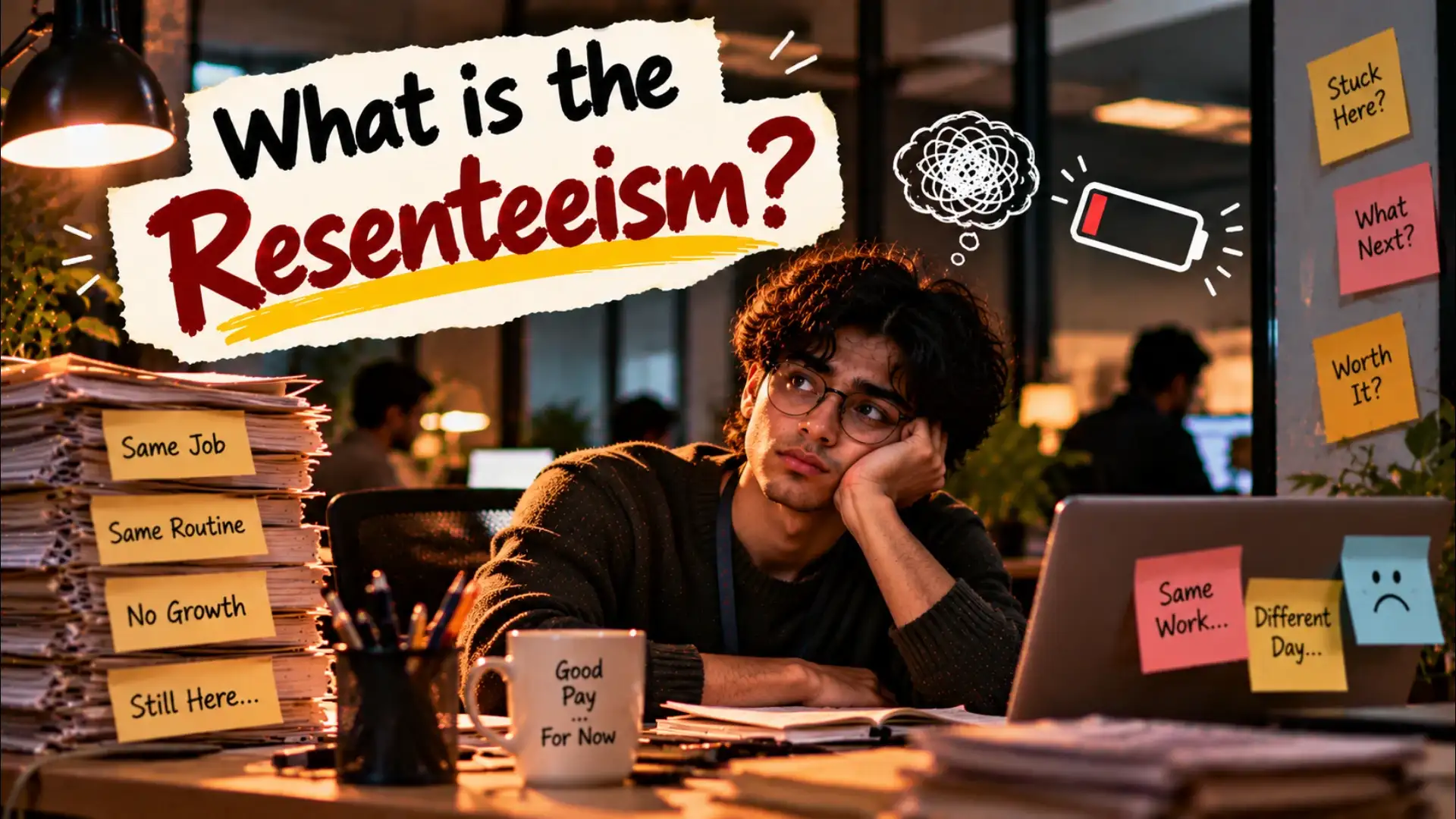
They may want to leave but feel unable to do so because of financial commitments, limited job opportunities or uncertainty about finding another position. A regular salary can provide essential security, making resignation a difficult decision even when the job has become frustrating.
Resenteeism is not simply having a bad day or occasionally disagreeing with a manager. It describes a more persistent sense of dissatisfaction that can influence how someone feels about their role and workplace.
Some may also feel disappointed when the actual role differs from what they were promised during recruitment. Others might believe that promotions and better opportunities are available to certain colleagues but not to them.
Financial pressures can make the situation harder to resolve. Employees supporting a family or paying regular bills may feel they cannot risk leaving without another job lined up.
Resenteeism can also affect communication. Workers who feel ignored or unfairly treated may become less willing to share ideas, volunteer for projects or engage with their teams.
However, staying in a job while unhappy does not automatically mean someone is experiencing resenteeism. Temporary challenges, personal circumstances and the need for financial stability can all influence career decisions.
If the situation is unlikely to change, exploring other roles or developing new skills may create more options over time. Making a planned move can be safer than resigning impulsively without financial preparation.
Employers can help by offering fair compensation, manageable workloads, transparent promotion processes and opportunities for honest feedback. Addressing concerns early may prevent dissatisfaction from becoming entrenched and help employees feel that their work is valued.
How Resenteeism Develops in the Workplace
Resenteeism describes a situation in which employees remain in their jobs despite feeling unhappy, undervalued or bitter about their working conditions.They may want to leave but feel unable to do so because of financial commitments, limited job opportunities or uncertainty about finding another position. A regular salary can provide essential security, making resignation a difficult decision even when the job has become frustrating.
Resenteeism is not simply having a bad day or occasionally disagreeing with a manager. It describes a more persistent sense of dissatisfaction that can influence how someone feels about their role and workplace.
Why Does Resenteeism Happen?
Poor management, limited career growth, inadequate recognition and an unfair distribution of work can contribute to resentment. Employees may feel that their efforts go unnoticed while their responsibilities continue to increase.Some may also feel disappointed when the actual role differs from what they were promised during recruitment. Others might believe that promotions and better opportunities are available to certain colleagues but not to them.
Financial pressures can make the situation harder to resolve. Employees supporting a family or paying regular bills may feel they cannot risk leaving without another job lined up.
How Can It Affect Work?
Persistent dissatisfaction may reduce motivation, strain workplace relationships and make everyday responsibilities feel more stressful. Employees might continue completing their tasks while feeling disconnected from the organisation and its goals.Resenteeism can also affect communication. Workers who feel ignored or unfairly treated may become less willing to share ideas, volunteer for projects or engage with their teams.
However, staying in a job while unhappy does not automatically mean someone is experiencing resenteeism. Temporary challenges, personal circumstances and the need for financial stability can all influence career decisions.
What Can Employees and Employers Do?
Employees can start by identifying the main sources of frustration. A conversation with a manager about workload, expectations, recognition or career development may help clarify whether improvements are possible.If the situation is unlikely to change, exploring other roles or developing new skills may create more options over time. Making a planned move can be safer than resigning impulsively without financial preparation.
Employers can help by offering fair compensation, manageable workloads, transparent promotion processes and opportunities for honest feedback. Addressing concerns early may prevent dissatisfaction from becoming entrenched and help employees feel that their work is valued.
Next Story