
7 Creative Ways to Reuse Old Containers as Plant Pots

Instead of throwing away old containers, bottles and unused kitchen items, you can give them a new purpose by turning them into attractive plant pots. With a little creativity, everyday household items can become useful planters for your balcony, windowsill or garden. From old tins to wooden boxes, these simple ideas can help you create a greener space while making the most of things you already have at home.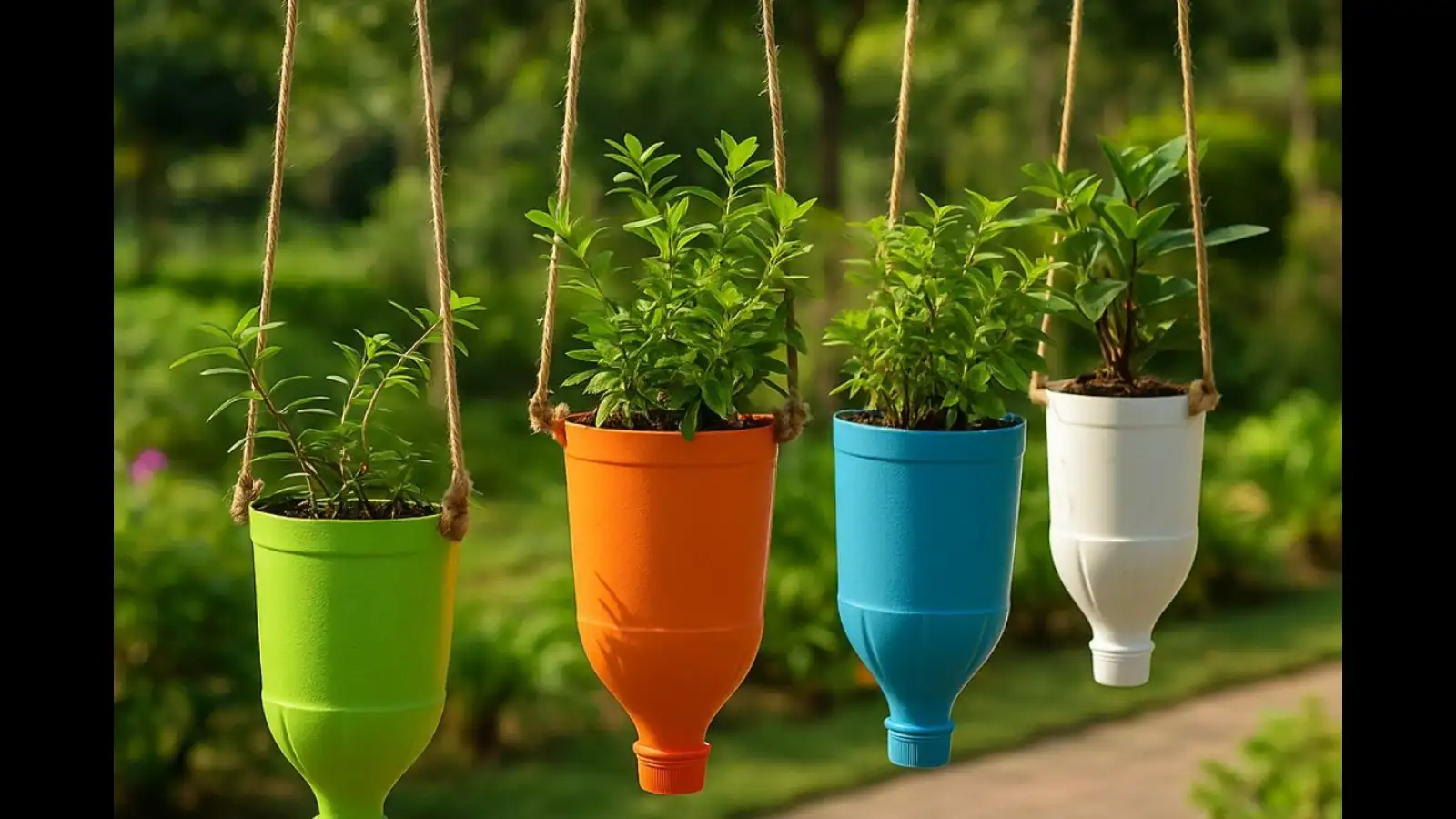
Start by washing the container thoroughly and removing any sharp edges. If you want to change its appearance, paint the outside with suitable paint and let it dry completely.
Make drainage holes at the bottom before adding soil. You can then plant herbs such as mint or coriander, or choose small flowering plants that suit your growing space.
Creative idea: Paint several cans in different colours and arrange them together to create a cheerful mini garden.
Cut the bottle carefully to create an opening for the plant. Make drainage holes in the base and use a container that is large enough for the plant's roots.
You can place the bottle on a shelf or create a vertical arrangement using suitable supports. If you hang the planters, make sure they are securely attached and do not pose a falling hazard.
Creative idea: Use matching bottles to create a simple vertical herb garden near a sunny window or balcony wall.
Choose a clean mug that is large enough for the plant you want to grow. If the mug has no drainage hole, you can carefully drill one using the appropriate ceramic-drilling method or use it as a decorative outer container with a nursery pot inside.
Small succulents and compact foliage plants can work well in this setup. Avoid overwatering, particularly when using a mug without drainage.
Creative idea: Group three or four mismatched cups together and use them to display a collection of small plants.
Before using a wooden container, check that it is strong, clean and free from sharp nails or splinters. Line the inside with a suitable planter liner if needed, while ensuring excess water can drain away.
Place the crate in a suitable location and fill it with good-quality potting mix. Choose plants according to the available sunlight and the depth of the container.
Creative idea: Arrange two or three wooden crates at different heights to create a layered plant display.
Clean the bucket thoroughly and check whether it is suitable for gardening. Drill drainage holes in the bottom if necessary. Metal buckets should also be checked for rust or damage before use.
You can paint the outside or decorate it with simple patterns. Fill the bucket with an appropriate potting mix and select a plant that suits its size.
Creative idea: Use a large bucket as a colourful flower planter near your entrance, balcony or garden corner.
Clean the bowl and inspect it for cracks or damage. If the bowl does not have drainage holes, use a suitable inner nursery pot or add drainage holes if the material allows safe drilling.
Choose plants that do not require deep soil. Small succulents and some compact foliage plants can work well, provided their watering and drainage needs are met.
Creative idea: Create a small tabletop garden by arranging different plants in a wide decorative bowl.
Wash the jar thoroughly and remove any labels. For plants that need drainage, use a nursery pot that fits inside the jar, or choose a plant setup suited to the container. Avoid leaving excess water sitting at the bottom.
Small herbs and compact plants can be grown in appropriately sized jars when their growing requirements are met.
Creative idea: Use identical jars to create a neat row of small planters on a bright windowsill.
Disclaimer: This article is for general information and creative inspiration. Choose safe, clean containers and suitable plants according to their growing requirements.
1. Turn Old Tin Cans into Colourful Plant Pots
Old biscuit tins, food cans and other metal containers can be transformed into charming plant pots. They are particularly useful for growing small herbs, flowers and compact indoor plants.Start by washing the container thoroughly and removing any sharp edges. If you want to change its appearance, paint the outside with suitable paint and let it dry completely.
Make drainage holes at the bottom before adding soil. You can then plant herbs such as mint or coriander, or choose small flowering plants that suit your growing space.
Creative idea: Paint several cans in different colours and arrange them together to create a cheerful mini garden.
2. Reuse Plastic Bottles as Hanging Planters
Empty plastic bottles can become useful planters, especially when you have limited space. Their lightweight design makes them suitable for small plants when properly prepared and supported.Cut the bottle carefully to create an opening for the plant. Make drainage holes in the base and use a container that is large enough for the plant's roots.
You can place the bottle on a shelf or create a vertical arrangement using suitable supports. If you hang the planters, make sure they are securely attached and do not pose a falling hazard.
Creative idea: Use matching bottles to create a simple vertical herb garden near a sunny window or balcony wall.
3. Give Old Ceramic Mugs a New Purpose
Unused coffee mugs, teacups and ceramic cups can make attractive homes for small plants. Their decorative designs can add personality to desks, shelves and windowsills.Choose a clean mug that is large enough for the plant you want to grow. If the mug has no drainage hole, you can carefully drill one using the appropriate ceramic-drilling method or use it as a decorative outer container with a nursery pot inside.
Small succulents and compact foliage plants can work well in this setup. Avoid overwatering, particularly when using a mug without drainage.
Creative idea: Group three or four mismatched cups together and use them to display a collection of small plants.
4. Transform Wooden Crates into Rustic Planters
Old wooden crates and sturdy wooden boxes can bring a rustic touch to your garden. They can be used for flowers, herbs and other plants, depending on their size and condition.Before using a wooden container, check that it is strong, clean and free from sharp nails or splinters. Line the inside with a suitable planter liner if needed, while ensuring excess water can drain away.
Place the crate in a suitable location and fill it with good-quality potting mix. Choose plants according to the available sunlight and the depth of the container.
Creative idea: Arrange two or three wooden crates at different heights to create a layered plant display.
5. Use Old Buckets as Large Plant Pots
Old buckets that are no longer needed for household work can be reused as spacious plant containers. They are particularly useful for plants that need more room for their roots.Clean the bucket thoroughly and check whether it is suitable for gardening. Drill drainage holes in the bottom if necessary. Metal buckets should also be checked for rust or damage before use.
You can paint the outside or decorate it with simple patterns. Fill the bucket with an appropriate potting mix and select a plant that suits its size.
Creative idea: Use a large bucket as a colourful flower planter near your entrance, balcony or garden corner.
6. Turn Old Kitchen Bowls into Decorative Planters
Unused kitchen bowls, serving dishes and sturdy containers can be converted into attractive planters. Their wide shape makes them suitable for certain shallow-rooted plants and decorative arrangements.Clean the bowl and inspect it for cracks or damage. If the bowl does not have drainage holes, use a suitable inner nursery pot or add drainage holes if the material allows safe drilling.
Choose plants that do not require deep soil. Small succulents and some compact foliage plants can work well, provided their watering and drainage needs are met.
You may also like
- “Mera beta puchhta hai, mummy papa ke upar building gir gayi?”: Satya Niketan collapse victim Paramlal's 5-year-old son still waits for him; family struggles to survive without its only earner
- Psychology says people who feel uncomfortable when someone is too kind to them aren't ungrateful: What makes receiving affection difficult
- BSDS Account: Banks won't be able to levy arbitrary charges on this account—this RBI rule is excellent..
- Where dogs are worshipped, monkeys are served feast and cows wear flowers: Unusual animal festivals celebrated worldwide
- 30 lakh people registered for the PM Vishwakarma Yojana, and 6.18 lakh received loans..
Creative idea: Create a small tabletop garden by arranging different plants in a wide decorative bowl.
7. Repurpose Old Glass Jars for Small Indoor Plants
Old glass jars from food storage can become simple containers for small plants. Their transparent appearance can add an interesting touch to a home garden.Wash the jar thoroughly and remove any labels. For plants that need drainage, use a nursery pot that fits inside the jar, or choose a plant setup suited to the container. Avoid leaving excess water sitting at the bottom.
Small herbs and compact plants can be grown in appropriately sized jars when their growing requirements are met.
Creative idea: Use identical jars to create a neat row of small planters on a bright windowsill.
Tips to Keep Reused Plant Pots Healthy
Before turning an old container into a plant pot, keep these simple points in mind:- Ensure drainage: Most plants need excess water to escape. Add drainage holes or use a suitable inner pot.
- Clean the container: Wash away food residue, dirt and other contaminants before planting.
- Choose the right size: The container should provide enough room for the plant's roots.
- Use suitable potting mix: Select soil that matches the plant's needs.
- Check the material: Avoid containers that are cracked, sharp, unstable or unsuitable for prolonged contact with wet soil.
- Place plants wisely: Consider sunlight, watering needs and the weight of the container.
Disclaimer: This article is for general information and creative inspiration. Choose safe, clean containers and suitable plants according to their growing requirements.






Loving Newspoint? Download the app now
