
Why Silver Turns Black and How to Restore Its Shine at Home

Silver has a particular relationship with air that gold does not. Leave a gold bangle on a shelf for a decade and it looks the same. Leave a silver one and it slowly turns grey, then brown, then almost black at the edges. The change is real, but it is also reversible, and the reversal is simpler than most people expect.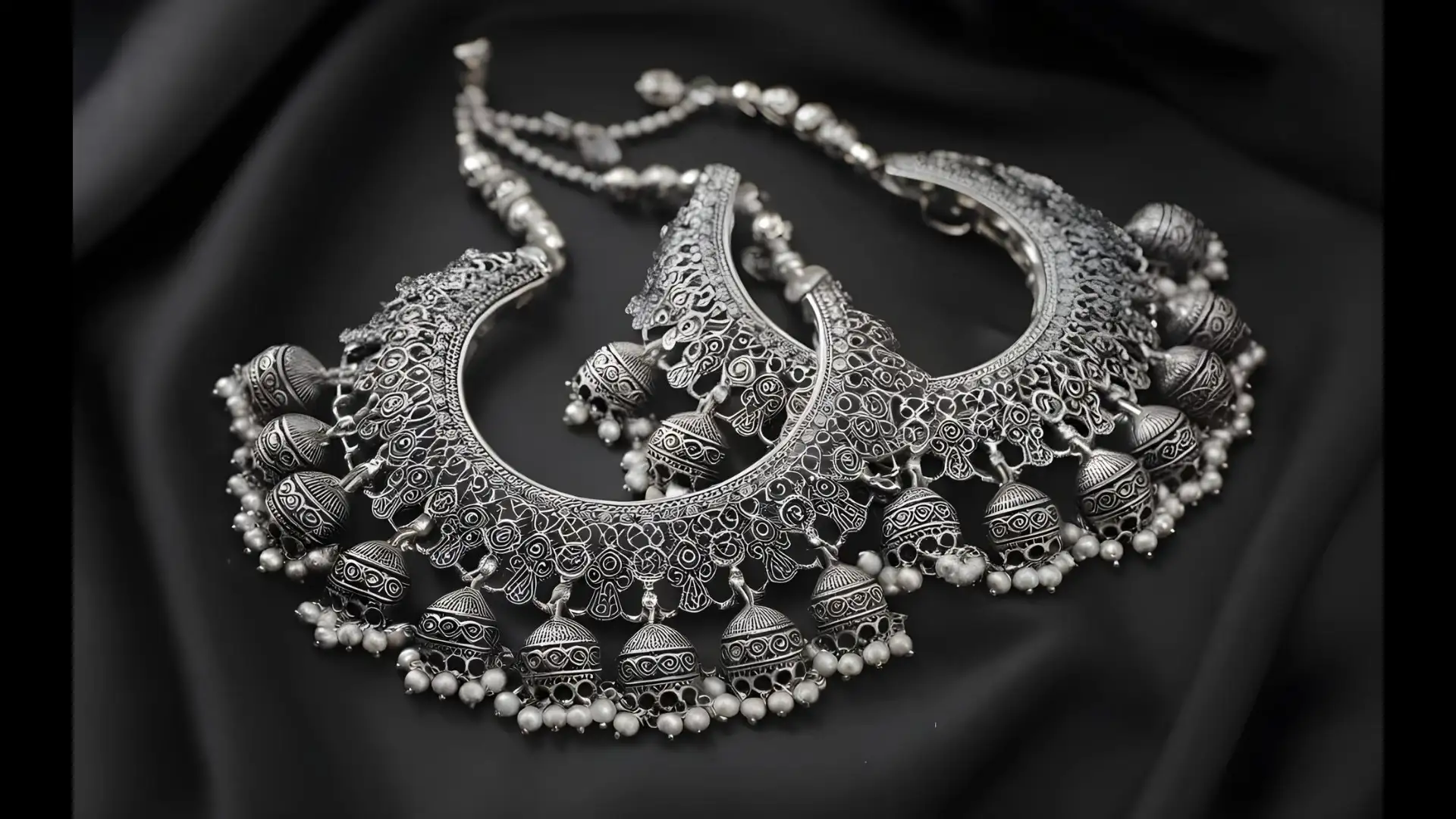
Certain environments speed the process considerably. Rubber bands, wool, some dyed fabrics, eggs, onions, and mustard all carry sulphur compounds. A silver spoon left resting on a rubber mat will tarnish faster than one stored in a cotton cloth. Humidity helps the reaction along, which is why silver kept in a damp drawer goes dark more quickly than silver in a dry one. Perfume and hair spray, sprayed near silver jewellery, leave residues that accelerate tarnish.
Line a bowl or a wide vessel with aluminium foil, shiny side up. Place the tarnished silver on the foil so the two metals touch. Add a tablespoon of baking soda and a tablespoon of salt, then pour in hot water, not boiling, but hot enough to steam. Within a few minutes, the dark film migrates from the silver to the foil. The foil turns dull and sometimes yellowish; the silver brightens. Rinse the silver under clean water and dry it thoroughly with a soft cloth. The reaction works because aluminium is more reactive than silver, and in a salt-water electrolyte it pulls the sulphur across to itself. The silver sulphide becomes silver again.
Lemon juice mixed with a pinch of salt cuts through moderate tarnish on solid silver. The acid in the lemon dissolves some of the silver sulphide, and the salt adds mild abrasion. Rub it on with a soft cloth, leave it for two or three minutes, then rinse well. Dry completely, moisture left on silver after cleaning speeds the next round of tarnish.
Ash from a wood fire or from burnt coconut husk has been used in Indian households for generations to clean silver and brass. It is mildly alkaline and mildly abrasive. Wetted into a paste and rubbed gently, it lifts tarnish without scratching. Many older households still keep a small tin of ash near the pooja room for exactly this purpose.
Wrapping individual pieces in acid-free tissue or a soft cotton cloth before storing them prevents the pieces from scratching each other and reduces exposure. Anti-tarnish strips, small treated paper strips sold in jewellery supply shops, absorb sulphur from the air inside a closed container and can extend the time between cleanings considerably. Avoid storing silver wrapped in newspaper or rubber-banded together; both accelerate tarnish.
Silver worn regularly tarnishes more slowly than silver left in a drawer. The friction of daily wear and the oils from skin remove the earliest stages of tarnish before they build up. A pair of silver earrings worn every day will stay brighter than a matching pair kept in a box for special occasions.
Disclaimer: This article is intended for general information purposes only. NewsPoint does not guarantee the effectiveness or suitability of the cleaning methods mentioned and will not be responsible for any damage resulting from their use.
The Chemistry Behind the Colour Change
Silver reacts with hydrogen sulphide and sulphur dioxide, gases present in ordinary air in small amounts. When silver meets these gases, the surface converts to silver sulphide, a compound that is dark grey to black and sits on the metal like a thin skin. This process is called tarnishing, and it is not rust. Rust eats into iron and weakens it. Tarnish sits on top of silver and does not damage the metal underneath. The silver itself is intact; only the surface has changed.Certain environments speed the process considerably. Rubber bands, wool, some dyed fabrics, eggs, onions, and mustard all carry sulphur compounds. A silver spoon left resting on a rubber mat will tarnish faster than one stored in a cotton cloth. Humidity helps the reaction along, which is why silver kept in a damp drawer goes dark more quickly than silver in a dry one. Perfume and hair spray, sprayed near silver jewellery, leave residues that accelerate tarnish.
The Aluminium Foil Method
The most effective home method works through electrochemistry rather than abrasion, which matters because abrasion removes a thin layer of silver along with the tarnish. The aluminium foil method transfers the sulphur away from the silver instead of scrubbing it off.Line a bowl or a wide vessel with aluminium foil, shiny side up. Place the tarnished silver on the foil so the two metals touch. Add a tablespoon of baking soda and a tablespoon of salt, then pour in hot water, not boiling, but hot enough to steam. Within a few minutes, the dark film migrates from the silver to the foil. The foil turns dull and sometimes yellowish; the silver brightens. Rinse the silver under clean water and dry it thoroughly with a soft cloth. The reaction works because aluminium is more reactive than silver, and in a salt-water electrolyte it pulls the sulphur across to itself. The silver sulphide becomes silver again.
What Works in an Indian Kitchen
Toothpaste, the plain white paste, not a gel, is a mild abrasive that removes light tarnish well. Apply a small amount with a soft cloth or an old toothbrush, rub gently in one direction rather than circles, rinse, and dry. It works on silver utensils and on the flatter surfaces of jewellery. Avoid it on pieces with stones set in them, as toothpaste can dull certain gems.Lemon juice mixed with a pinch of salt cuts through moderate tarnish on solid silver. The acid in the lemon dissolves some of the silver sulphide, and the salt adds mild abrasion. Rub it on with a soft cloth, leave it for two or three minutes, then rinse well. Dry completely, moisture left on silver after cleaning speeds the next round of tarnish.
Ash from a wood fire or from burnt coconut husk has been used in Indian households for generations to clean silver and brass. It is mildly alkaline and mildly abrasive. Wetted into a paste and rubbed gently, it lifts tarnish without scratching. Many older households still keep a small tin of ash near the pooja room for exactly this purpose.
Storing Silver So It Stays Bright Longer
Keeping silver in an airtight container is the single most effective thing you can do. A zip-lock bag with the air pressed out, or a box with a tight lid, slows tarnish dramatically by limiting the silver's contact with sulphur-bearing air. Placing a small piece of chalk or a silica gel packet inside the container absorbs moisture and slows the reaction further.Wrapping individual pieces in acid-free tissue or a soft cotton cloth before storing them prevents the pieces from scratching each other and reduces exposure. Anti-tarnish strips, small treated paper strips sold in jewellery supply shops, absorb sulphur from the air inside a closed container and can extend the time between cleanings considerably. Avoid storing silver wrapped in newspaper or rubber-banded together; both accelerate tarnish.
Silver worn regularly tarnishes more slowly than silver left in a drawer. The friction of daily wear and the oils from skin remove the earliest stages of tarnish before they build up. A pair of silver earrings worn every day will stay brighter than a matching pair kept in a box for special occasions.
Disclaimer: This article is intended for general information purposes only. NewsPoint does not guarantee the effectiveness or suitability of the cleaning methods mentioned and will not be responsible for any damage resulting from their use.