
Why Silent Haptic Technology Is Quietly Changing Everyday Human Behaviour

Most people barely notice how often they respond to vibrations throughout the day. A quick buzz from a phone, the tiny pulse from a smartwatch, or the subtle vibration inside a car steering wheel has become so normal that the human brain reacts almost automatically. What once felt futuristic is now deeply woven into ordinary life, and researchers are beginning to understand just how much silent haptic technology is influencing modern behaviour.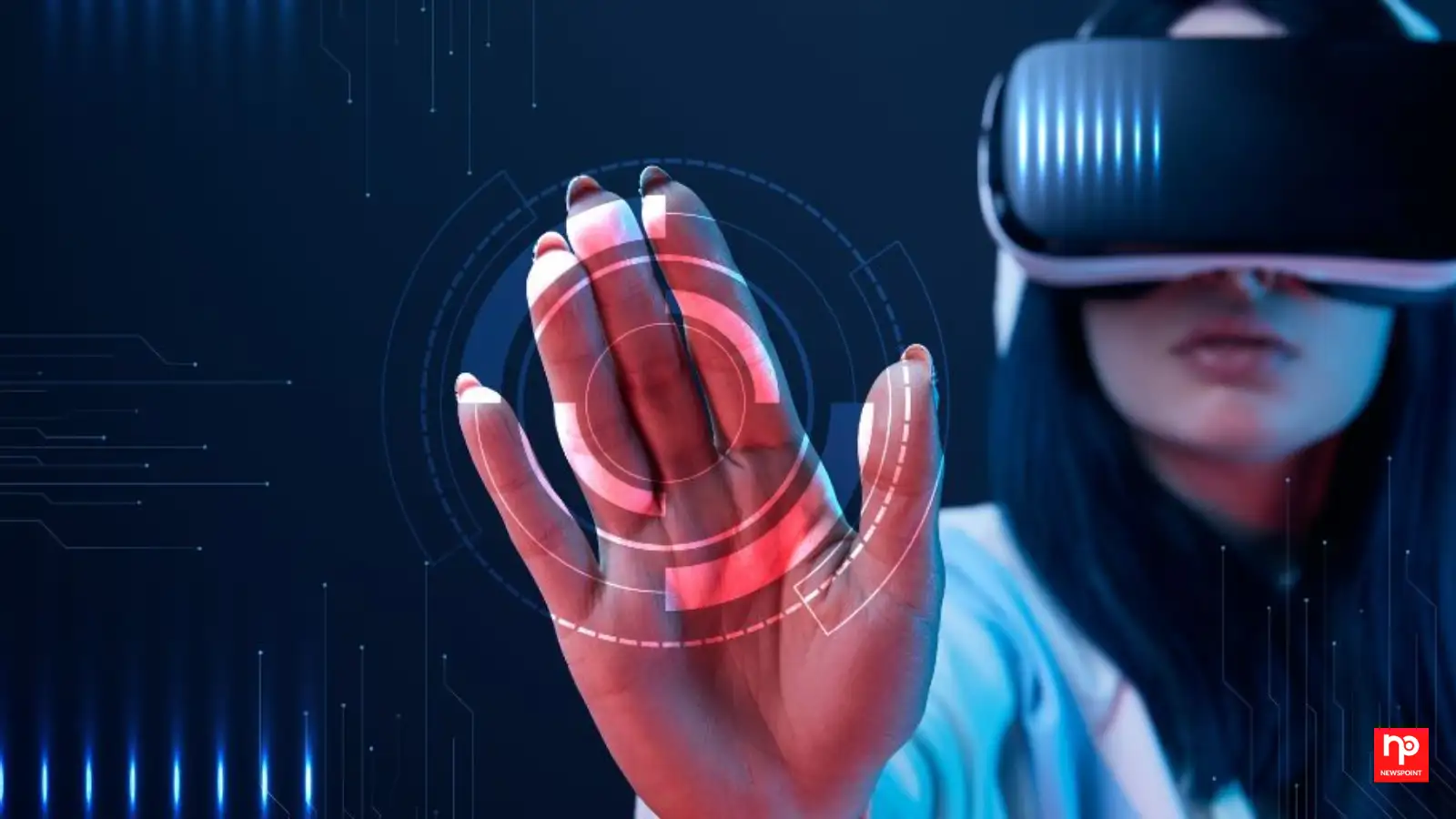
Haptics refers to technology that communicates through touch. Unlike loud alarms or flashing notifications, haptic systems rely on physical sensation. That small vibration in your pocket may seem insignificant, but it is changing the way humans focus, interact, and even make decisions.
This is one reason why modern vehicles increasingly use haptic steering wheel feedback instead of warning beeps. Drivers react more calmly and quickly when the wheel gently vibrates before lane departure. The same principle is being used in hospitals, where silent wearable alerts help nurses receive notifications without disturbing patients.
Over time, these silent physical cues are shaping how humans process urgency and attention in crowded digital environments.
This shift is creating what experts call invisible interaction. Technology is becoming less visually demanding and more physically intuitive.
For many people, this has quietly reduced screen fatigue. Instead of staring at devices every few seconds, users are beginning to rely on touch-based communication that feels less mentally exhausting.
Gaming companies have already mastered this psychological effect. Players feel emotionally connected to actions because controller vibrations create physical immersion. The brain interprets touch as part of lived experience rather than distant digital activity.
Interestingly, younger users who grew up with smartphones often expect haptic confirmation from technology. Without it, many systems feel incomplete or less trustworthy.
From healthcare to transport and remote work, haptic systems are becoming an invisible layer of human life. Most people rarely notice them, yet these tiny vibrations are steadily shaping modern behaviour in ways that feel surprisingly human.
Haptics refers to technology that communicates through touch. Unlike loud alarms or flashing notifications, haptic systems rely on physical sensation. That small vibration in your pocket may seem insignificant, but it is changing the way humans focus, interact, and even make decisions.
Why Human Brains React Faster to Vibrations
One surprising discovery from behavioural studies is that people often respond faster to touch-based signals than sound alerts. A vibration feels more personal and direct. Because the signal physically reaches the body, the brain treats it as immediate information rather than background noise.This is one reason why modern vehicles increasingly use haptic steering wheel feedback instead of warning beeps. Drivers react more calmly and quickly when the wheel gently vibrates before lane departure. The same principle is being used in hospitals, where silent wearable alerts help nurses receive notifications without disturbing patients.
Over time, these silent physical cues are shaping how humans process urgency and attention in crowded digital environments.
You may also like
- SCSS Emerges as a Top Retirement Income Plan: Earn ₹61,500 Every Quarter With Government Security
- Hidden Cash and Gold Could Trigger Massive Tax Trouble! Undisclosed Assets May Attract Up to 86% Penalty
- West Bengal Approves 7th Pay Commission, ₹3,000 Monthly Aid for Women and Free Bus Travel
- Controlled glamour: Why Cannes 2026 fashion ditched spectacle for restraint
- Why Two Women of the Same Age Get Very Different Freezing Results
The Rise of “Invisible Interaction”
Tech companies are now designing systems that work without requiring people to constantly look at screens. Fitness bands vibrate to guide breathing exercises. Earbuds gently tap users during navigation walks. Some office desks even use subtle movement feedback to remind workers to improve posture.This shift is creating what experts call invisible interaction. Technology is becoming less visually demanding and more physically intuitive.
For many people, this has quietly reduced screen fatigue. Instead of staring at devices every few seconds, users are beginning to rely on touch-based communication that feels less mentally exhausting.
How Haptic Feedback Is Affecting Emotional Behaviour
There is also growing interest in the emotional side of haptic design. Some mental health apps now use slow pulse vibrations during meditation sessions because the body naturally synchronises with rhythmic patterns. Researchers believe this may help reduce stress responses.Gaming companies have already mastered this psychological effect. Players feel emotionally connected to actions because controller vibrations create physical immersion. The brain interprets touch as part of lived experience rather than distant digital activity.
Interestingly, younger users who grew up with smartphones often expect haptic confirmation from technology. Without it, many systems feel incomplete or less trustworthy.
The Future Could Be Far More Physical Than Visual
For years, people assumed future technology would revolve around bigger screens and louder alerts. Instead, many innovations are moving in the opposite direction. The next phase of consumer tech may rely less on visual overload and more on subtle physical communication.From healthcare to transport and remote work, haptic systems are becoming an invisible layer of human life. Most people rarely notice them, yet these tiny vibrations are steadily shaping modern behaviour in ways that feel surprisingly human.






More from our partners


Loving Newspoint? Download the app now
