
How Wearable Technology Is Changing Personal Health Tracking

Technology has become a major part of modern healthcare, and wearable devices are leading that transformation. From smartwatches to fitness bands , millions of people now track their health in real time using devices worn on the wrist or body.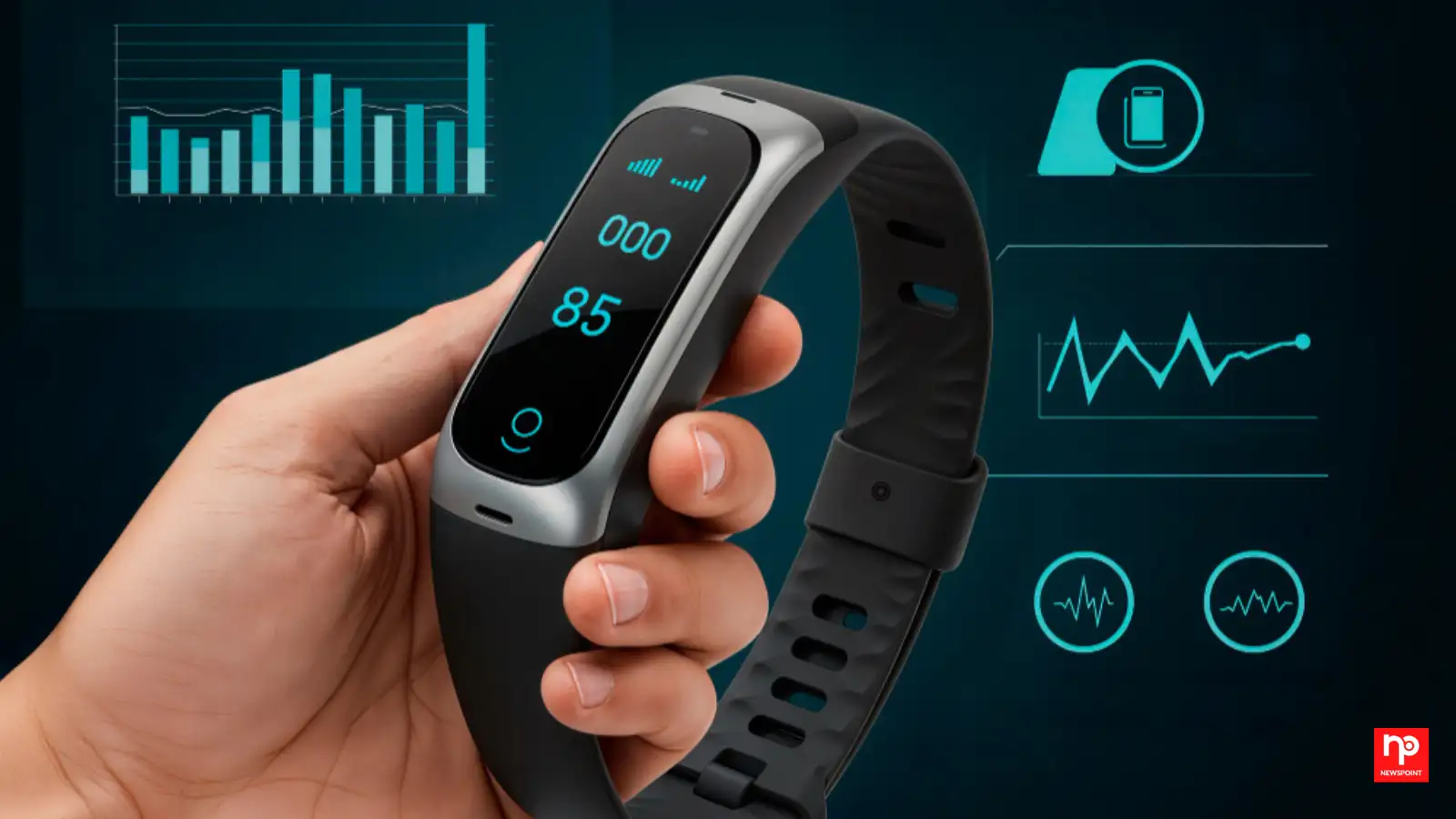
These gadgets are no longer limited to counting steps. Many wearable devices now monitor heart rate, sleep quality, oxygen levels, stress patterns, and even workout recovery. This shift has made people more aware of their daily habits and overall wellness.
Why People Are Paying More Attention to Health Data
One reason wearable technology has become so popular is convenience. Instead of waiting for yearly medical checkups, users can now access health insights instantly throughout the day.
For example, someone working long office hours may discover they are sitting too much or sleeping poorly. Seeing this data regularly often encourages healthier decisions like walking more, drinking enough water, or improving sleep routines.
Fitness tracking has also become more motivating. Many people enjoy setting goals, tracking progress, and staying accountable through mobile apps connected to wearable devices.
Athletes and fitness enthusiasts use these devices to avoid overtraining and monitor recovery periods. Older adults may benefit from fall detection features or emergency alerts built into certain smartwatches.
Future devices may help users predict stress levels, identify health risks earlier, and receive customized wellness recommendations based on daily behavior. Healthcare providers may also use wearable data to better understand patient lifestyles between appointments.
These devices cannot replace healthy habits, but they can encourage better decisions. In many ways, wearable technology acts like a daily reminder that small lifestyle choices matter. As technology becomes more advanced and accessible, personal health tracking is likely to become a normal part of everyday life.
These gadgets are no longer limited to counting steps. Many wearable devices now monitor heart rate, sleep quality, oxygen levels, stress patterns, and even workout recovery. This shift has made people more aware of their daily habits and overall wellness.
Why People Are Paying More Attention to Health Data
One reason wearable technology has become so popular is convenience. Instead of waiting for yearly medical checkups, users can now access health insights instantly throughout the day.For example, someone working long office hours may discover they are sitting too much or sleeping poorly. Seeing this data regularly often encourages healthier decisions like walking more, drinking enough water, or improving sleep routines.
Fitness tracking has also become more motivating. Many people enjoy setting goals, tracking progress, and staying accountable through mobile apps connected to wearable devices.
You may also like
- Workplace Romance: Love in the office and then marriage, this percentage of people in the world find partners in the workplace.
- Nearly all men have 'no regrets' shaving head after splashing £750 to keep hair
- Why Singapore tops the list for travellers even in turbulent times
- Today's parenting advice by Robert Fulghum: "Don't worry that children never listen to you; worry that they...."
- Tamannaah Bhatia proves nothing beats a classic Banarasi saree during her visit to Mahakaleshwar Jyotirlinga
How Smart Devices Help Prevent Health Problems
Wearable technology is also playing a role in early health awareness. Some devices can detect unusual heart rhythms or sudden changes in activity levels. While they are not replacements for doctors, they can encourage users to seek medical advice earlier when something feels off.Athletes and fitness enthusiasts use these devices to avoid overtraining and monitor recovery periods. Older adults may benefit from fall detection features or emergency alerts built into certain smartwatches.
The Future of Personalized Healthcare
Experts believe wearable health technology will continue to grow rapidly over the next few years. Artificial intelligence and machine learning are making these devices smarter and more personalized.Future devices may help users predict stress levels, identify health risks earlier, and receive customized wellness recommendations based on daily behavior. Healthcare providers may also use wearable data to better understand patient lifestyles between appointments.
Technology That Encourages Better Habits
One of the most valuable aspects of wearable technology is awareness. Many people underestimate how little they move, how poorly they sleep, or how stress affects their bodies until they see the numbers clearly.These devices cannot replace healthy habits, but they can encourage better decisions. In many ways, wearable technology acts like a daily reminder that small lifestyle choices matter. As technology becomes more advanced and accessible, personal health tracking is likely to become a normal part of everyday life.






More from our partners


Loving Newspoint? Download the app now
