
Ridge Gourd Benefits: What Turai Adds To Everyday Vegetarian Meals

Ridge gourd, called turai or jhinge in different parts of India, is a mild-flavoured vegetable with a soft texture when cooked. Its ridged outer skin makes it easy to recognise, while the tender flesh absorbs seasonings well in a range of dishes.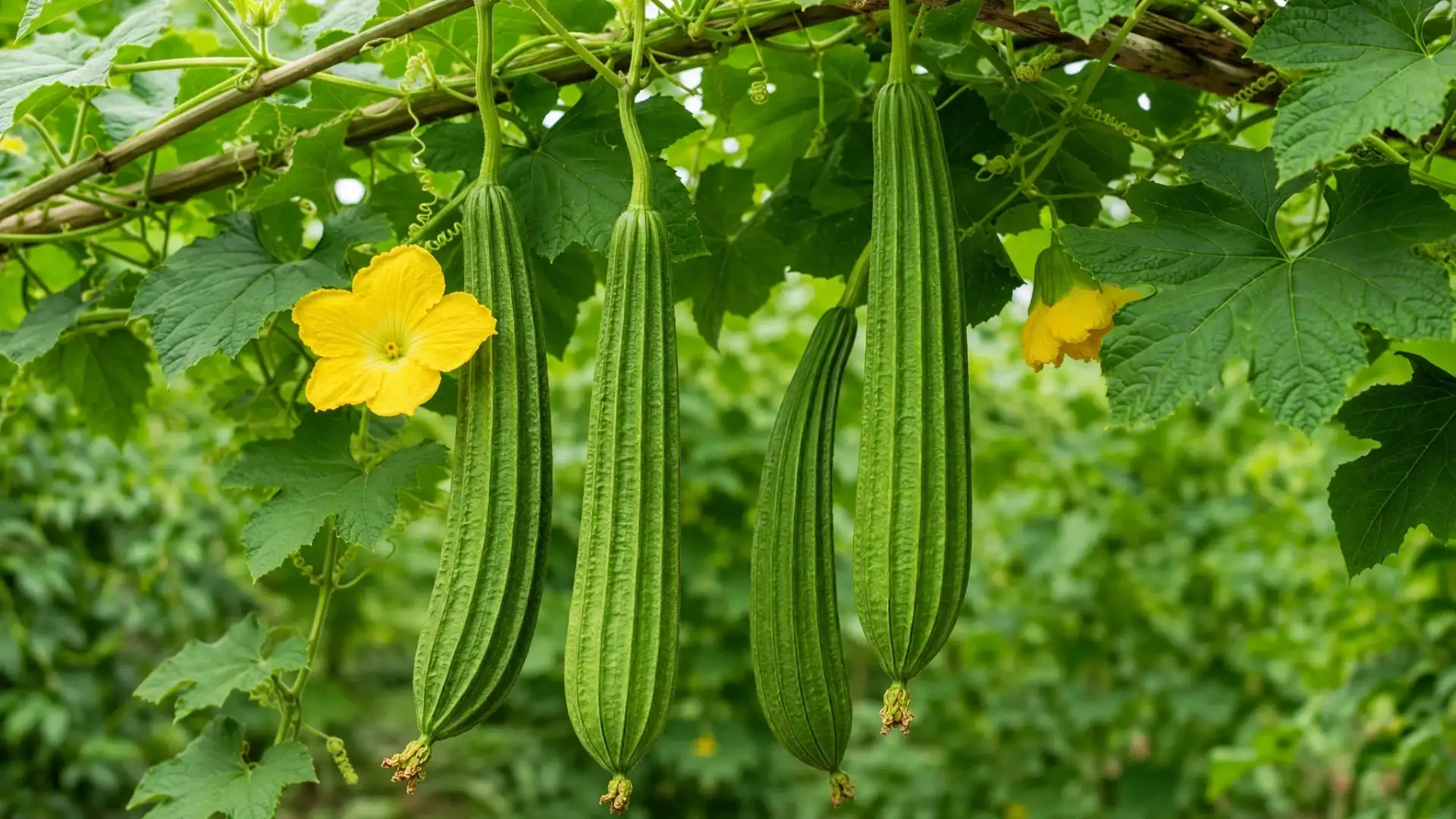
The vegetable can be prepared in dals, stir-fries, curries or simple side dishes, giving it a place in home kitchens. It contains water and provides modest amounts of nutrients, but its value is best considered within a balanced diet.
Knowing how to select young gourds and prepare them evenly can improve their texture and flavour in everyday meals.
Wash the surface under running water. Trim both ends and peel the ridges or the outer skin according to the tenderness of the vegetable and the recipe. Cut it into evenly sized pieces so they cook at a similar rate. If a piece tastes distinctly bitter, do not use it; discard the gourd.
Ridge gourd can also be cooked with split mung dal or added to a lentil stew. Add it after the lentils have softened partly, allowing the vegetable to cook without turning completely mushy. A squeeze of lemon or a small amount of coriander can brighten the flavour at the end.
Ridge gourd benefits from simple preparation and varied use in home cooking. Serve it alongside other vegetables, pulses and grains rather than relying on it alone for nutritional needs. Its gentle flavour and adaptable texture make it a practical ingredient for everyday vegetarian meals.
The vegetable can be prepared in dals, stir-fries, curries or simple side dishes, giving it a place in home kitchens. It contains water and provides modest amounts of nutrients, but its value is best considered within a balanced diet.
Knowing how to select young gourds and prepare them evenly can improve their texture and flavour in everyday meals.
Ridge gourd nutrition
Ridge gourd contains water and provides some dietary fibre, vitamin C and other nutrients in modest quantities. It is not necessary to describe it as a special detoxifying or medicinal food; it is simply one vegetable that can contribute variety to a balanced plate.Select and prepare young gourds
Choose ridge gourds that feel firm and have an even green colour. Smaller, younger specimens are often more tender. Avoid vegetables with soft patches, deep blemishes or a shrivelled appearance. If the gourd feels unusually light or looks overly mature, its texture may be fibrous.You may also like
- It's always the little things that hold our lives—and minds—together. That's why people are rediscovering the joy of daily rituals.
- Can we Reduce the Fear and Pain of Death?
- How To Clean Curtains: No more hassle of removing curtains; clean them like mirrors without removing them.
- Coriander Chutney Storage: How many days does coriander chutney last, and how long does it stay fresh?
- Stomach Burning at Night: A burning sensation in the stomach increases as the night progresses; these could be the reasons.
Wash the surface under running water. Trim both ends and peel the ridges or the outer skin according to the tenderness of the vegetable and the recipe. Cut it into evenly sized pieces so they cook at a similar rate. If a piece tastes distinctly bitter, do not use it; discard the gourd.
Add it to everyday cooking
For a simple stir-fry, heat a little oil, add mustard seeds, curry leaves and chopped chilli, then stir in the gourd pieces with salt and turmeric. Cover and cook over a moderate flame, checking occasionally. The vegetable releases moisture, so extra water may not be needed at the beginning.Ridge gourd can also be cooked with split mung dal or added to a lentil stew. Add it after the lentils have softened partly, allowing the vegetable to cook without turning completely mushy. A squeeze of lemon or a small amount of coriander can brighten the flavour at the end.
Store it sensibly
Keep whole ridge gourds in the refrigerator's vegetable compartment and use them while firm. Once cut, wrap the remaining piece or place it in a covered container and use it promptly. Avoid storing cut pieces wet for extended periods.Ridge gourd benefits from simple preparation and varied use in home cooking. Serve it alongside other vegetables, pulses and grains rather than relying on it alone for nutritional needs. Its gentle flavour and adaptable texture make it a practical ingredient for everyday vegetarian meals.






Loving Newspoint? Download the app now
