
Ripe vs Unripe Bananas: Which One Helps You Lose Weight Faster

Bananas are more than a simple snack, they’re versatile, affordable, and packed with nutrients. Yet when it comes to weight loss, their impact depends heavily on ripeness. Eating a green, unripe banana differs significantly from a sweet, yellow one, both in calorie content and how your body processes sugar and fibre. Understanding these differences can make bananas a powerful ally for your weight management journey.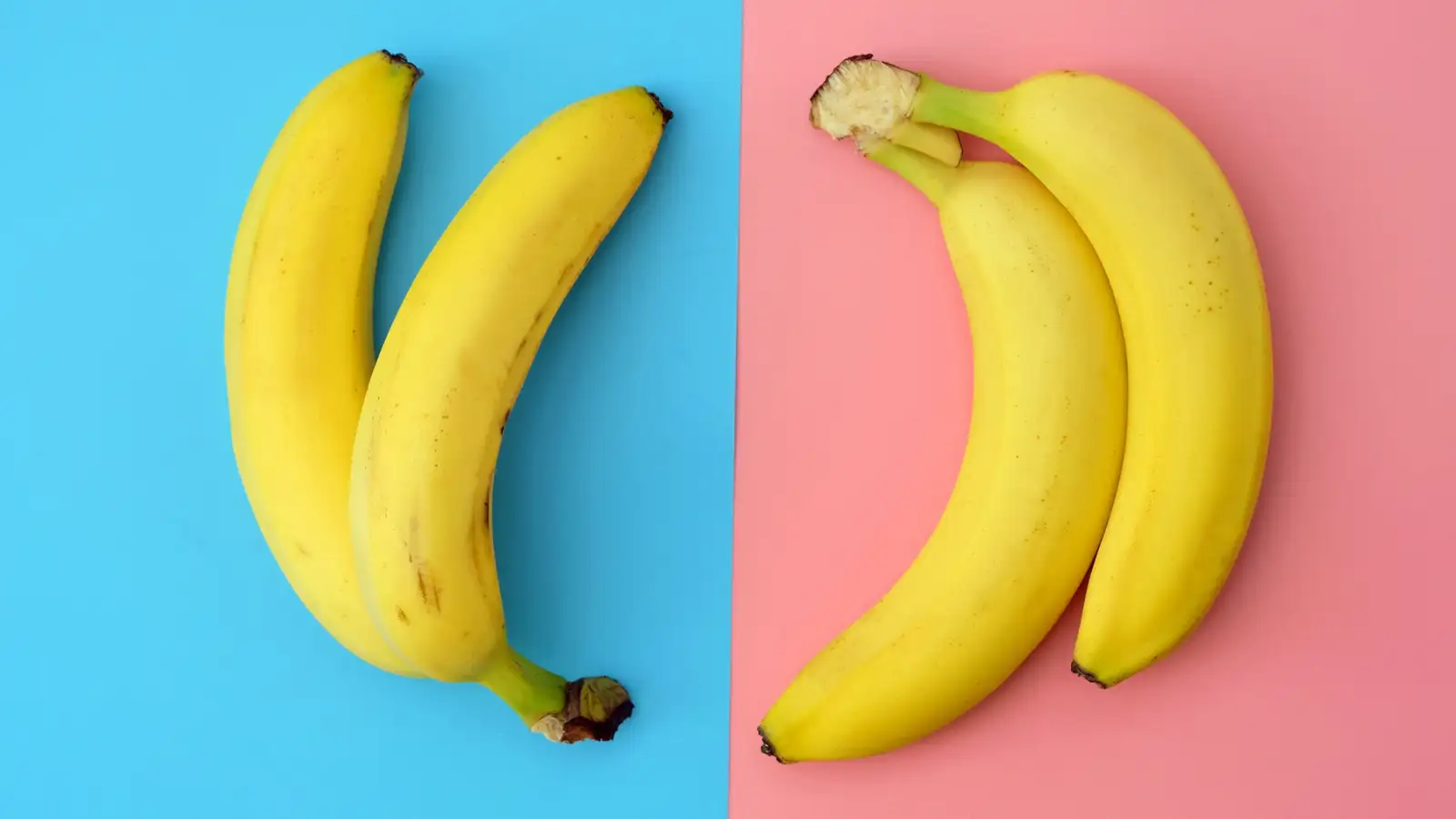
Green Bananas : The Weight Loss Ally
Unripe bananas are rich in resistant starch, a type of fibre that digests slowly, helping you stay full for longer and preventing sudden blood sugar spikes. With fewer calories and sugars, they are ideal for appetite control and supporting gut health. Resistant starch also acts as a prebiotic, feeding beneficial gut bacteria and promoting better metabolism. A medium green banana contains roughly 89 calories, 4g of fibre, and just 6g of sugar, making it a great low-calorie snack option.
Yellow Bananas: Quick Energy and Satiety
Ripe bananas are sweeter and easier to digest, containing more natural sugars like glucose, fructose, and sucrose. They offer quick energy, making them perfect as a pre-workout snack or for busy mornings. With slightly higher calories (around 105 per medium banana) and a glycaemic index of 51–60, they provide a natural sugar boost but may cause hunger to return sooner than green bananas. They also contain antioxidants like dopamine and catechins, which can support metabolic health and reduce inflammation.
Choosing the Right Banana for Weight Loss
For steady energy and long-term satiety, unripe bananas are the better option. If you need a fast energy boost or a natural sweetener in your breakfast or dessert, ripe bananas work well. Combining both types strategically in your diet balances calorie control , nutrient intake, and energy levels.
How to Include Bananas in Your Diet
Moderation is Key
One to two medium bananas per day are sufficient for most adults. Pair them with protein or fibre for maximum satiety and metabolic benefit.
Green Bananas : The Weight Loss Ally
Unripe bananas are rich in resistant starch, a type of fibre that digests slowly, helping you stay full for longer and preventing sudden blood sugar spikes. With fewer calories and sugars, they are ideal for appetite control and supporting gut health. Resistant starch also acts as a prebiotic, feeding beneficial gut bacteria and promoting better metabolism. A medium green banana contains roughly 89 calories, 4g of fibre, and just 6g of sugar, making it a great low-calorie snack option. Yellow Bananas: Quick Energy and Satiety
Ripe bananas are sweeter and easier to digest, containing more natural sugars like glucose, fructose, and sucrose. They offer quick energy, making them perfect as a pre-workout snack or for busy mornings. With slightly higher calories (around 105 per medium banana) and a glycaemic index of 51–60, they provide a natural sugar boost but may cause hunger to return sooner than green bananas. They also contain antioxidants like dopamine and catechins, which can support metabolic health and reduce inflammation.Choosing the Right Banana for Weight Loss
For steady energy and long-term satiety, unripe bananas are the better option. If you need a fast energy boost or a natural sweetener in your breakfast or dessert, ripe bananas work well. Combining both types strategically in your diet balances calorie control , nutrient intake, and energy levels. How to Include Bananas in Your Diet
- Green bananas: Slice into salads, cook in curries, boil and mash, or make homemade air-fried chips.
- Ripe bananas: Blend into smoothies, mash into oats, bake into muffins, or use as a pre-workout snack.
Moderation is Key
One to two medium bananas per day are sufficient for most adults. Pair them with protein or fibre for maximum satiety and metabolic benefit. Next Story