
Why Regional Indian Food Is Becoming Popular in Urban Restaurants

Indian food has always been known for its variety, but urban dining culture is now paying greater attention to the regional traditions behind that diversity. In cities such as Delhi, Mumbai, Bengaluru, Hyderabad and Kolkata, restaurants are increasingly featuring dishes that were once mostly prepared at home or served within specific communities.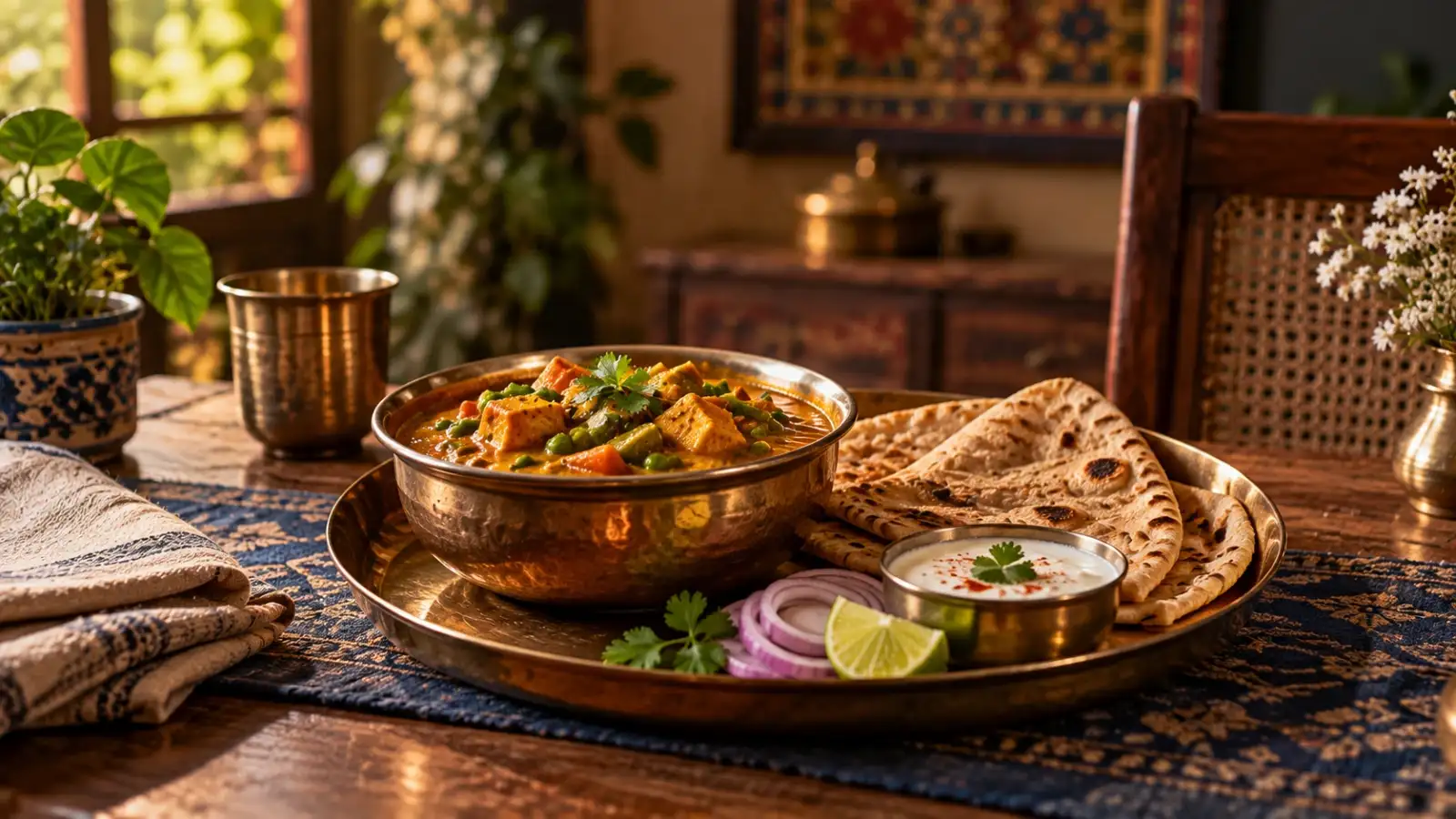
From Assamese tenga and Malvani seafood to Himachali dham and traditional Bihari recipes, regional Indian food is finding new audiences through restaurants, food festivals, cloud kitchens and independent food businesses.
This change reflects a growing interest in authentic flavours, local ingredients and culinary stories that extend beyond familiar restaurant menus.
People are now exploring food associated with particular communities, festivals, landscapes and family traditions. A meal is no longer viewed only as something to eat. It can also offer an introduction to the history and lifestyle of a region.
This curiosity has encouraged restaurants to introduce dishes that may not have been widely available outside their places of origin.
A Bengali family may look for authentic posto or shukto in a new city, while people from Bihar may seek litti chokha or traditional sattu-based dishes. Similarly, migrants from Kerala, Nagaland, Maharashtra or the Northeast may create demand for familiar home-style food.
Restaurants and small food businesses have responded to this demand by offering regional dishes to both local residents and people searching for the tastes of home.
Urban food culture has therefore developed partly through migration and the exchange of culinary traditions.
Meals such as Himachali dham, Gujarati thali, Assamese khar, Maharashtrian varan bhaat and Tamil-style kuzhambu reflect everyday food habits shaped by local ingredients and family customs.
Urban diners are increasingly interested in these dishes because they offer a different experience from heavily modified restaurant food. Their appeal often lies in familiar cooking methods, balanced flavours and regional authenticity.
Some restaurants are now designing menus around the idea of a traditional home meal rather than a standard multi-cuisine dining experience.
Bamboo shoot, kokum, bhut jolokia, ragi, millets, black rice, mahua, raw mango, litti flour and different varieties of local greens are being explored by chefs and food enthusiasts.
Many of these ingredients are closely connected with regional agriculture and traditional food knowledge. Their use in urban restaurants can help introduce diners to unfamiliar flavours and cooking techniques.
However, responsible sourcing is important. Increased demand should not place pressure on local ecosystems or make traditional ingredients inaccessible to the communities that have long depended on them.
Their menus may present familiar dishes in new formats while retaining important elements of the original recipe. For example, a traditional millet preparation may be served in a contemporary style, or a regional curry may be paired with an ingredient from another part of the country.
This approach can make lesser-known cuisines more accessible to urban diners. However, it also raises questions about authenticity and adaptation.
A modern interpretation can be meaningful when chefs understand the history of a dish and acknowledge the community from which it comes.
Such events may focus on the cuisine of a particular state, community or season. They give diners an opportunity to try several dishes without travelling to their places of origin.
Festivals celebrating Onam, Bihu, Pongal, Vishu, Baisakhi and other cultural occasions often include traditional food as part of the experience. Restaurants may also organise regional food weeks featuring dishes that are not part of their regular menus.
These initiatives can encourage culinary exchange and help preserve recipes that might otherwise receive limited public attention.
Social media has also helped small food businesses promote regional specialities without investing in large restaurant spaces. Home chefs, community cooks and independent food entrepreneurs can attract customers through online platforms.
Visual storytelling has made food discovery more engaging. Diners may become interested in a dish after learning about its ingredients, preparation methods or cultural background.
At the same time, online content can sometimes simplify or misrepresent regional cuisines. Reliable information and respect for cultural context remain important.
Some businesses specialise in meals from a particular state or community, while others focus on regional snacks, pickles, sweets, spice blends and festive dishes.
These ventures can provide income for people who possess traditional culinary knowledge but may not have access to large commercial kitchens. They can also help create markets for local ingredients and handmade food products.
However, fair payment and proper recognition are important, particularly when traditional recipes are used commercially.
Urban diners interested in balanced eating are exploring millets, fermented foods, seasonal vegetables, lentils, traditional grains and naturally prepared ingredients.
For example, fermented foods are important in several regional cuisines, while millet-based dishes are common in parts of western, southern and central India.
It is important not to describe every traditional dish as automatically healthy. Nutritional value depends on ingredients, portion sizes, preparation methods and individual dietary needs. Nevertheless, regional food traditions can offer a wide range of ingredients and cooking styles.
When these dishes appear on urban menus, they introduce diners to more than a particular taste. They also preserve stories about migration, agriculture, family customs and cultural identity.
Restaurants that document the background of their dishes can help customers understand the significance of what they are eating. This can make dining more meaningful and encourage greater respect for traditional food knowledge.
There is also a risk of reducing complex cuisines to a few recognisable dishes or presenting regional food as a novelty without acknowledging its cultural context.
Commercial adaptation may change flavours, ingredients and cooking methods to suit urban preferences. While adaptation is a natural part of food culture, it is important to distinguish between a traditional recipe and a modern interpretation.
Restaurants can contribute to responsible culinary representation by working with local cooks, crediting food traditions accurately and explaining regional variations.
The rise of regional Indian food on urban menus reflects a broader interest in authenticity, cultural diversity and meaningful dining experiences. As diners explore lesser-known recipes, restaurants are finding new ways to introduce the culinary traditions of different communities.
Migration, social media, food festivals, independent food businesses and contemporary chefs have all contributed to this change. The movement also creates opportunities to support traditional cooks, local producers and regional ingredients.
The future of Indian urban dining may not depend only on new recipes. It may also be shaped by a deeper appreciation of the many food traditions that have always existed across the country.
From Assamese tenga and Malvani seafood to Himachali dham and traditional Bihari recipes, regional Indian food is finding new audiences through restaurants, food festivals, cloud kitchens and independent food businesses.
This change reflects a growing interest in authentic flavours, local ingredients and culinary stories that extend beyond familiar restaurant menus.
1. Diners Are Looking Beyond Familiar Indian Dishes
For many years, urban Indian restaurant menus often focused on widely recognised dishes such as butter chicken, paneer tikka, biryani, naan and dal makhani. These dishes remain popular, but diners are increasingly curious about lesser-known recipes.People are now exploring food associated with particular communities, festivals, landscapes and family traditions. A meal is no longer viewed only as something to eat. It can also offer an introduction to the history and lifestyle of a region.
This curiosity has encouraged restaurants to introduce dishes that may not have been widely available outside their places of origin.
2. Migration Has Brought Regional Food to New Cities
India’s cities attract people from different states for education, employment and business opportunities. As communities move, they often carry their food traditions with them.A Bengali family may look for authentic posto or shukto in a new city, while people from Bihar may seek litti chokha or traditional sattu-based dishes. Similarly, migrants from Kerala, Nagaland, Maharashtra or the Northeast may create demand for familiar home-style food.
Restaurants and small food businesses have responded to this demand by offering regional dishes to both local residents and people searching for the tastes of home.
Urban food culture has therefore developed partly through migration and the exchange of culinary traditions.
3. Home-Style Food Is Gaining Attention
A major part of the regional food movement is the growing interest in simple, home-style cooking. Many traditional dishes do not depend on expensive ingredients or elaborate presentation.Meals such as Himachali dham, Gujarati thali, Assamese khar, Maharashtrian varan bhaat and Tamil-style kuzhambu reflect everyday food habits shaped by local ingredients and family customs.
Urban diners are increasingly interested in these dishes because they offer a different experience from heavily modified restaurant food. Their appeal often lies in familiar cooking methods, balanced flavours and regional authenticity.
Some restaurants are now designing menus around the idea of a traditional home meal rather than a standard multi-cuisine dining experience.
4. Regional Ingredients Are Finding New Recognition
Regional Indian food has also brought attention to ingredients that were once used mainly within particular communities or geographical areas.Bamboo shoot, kokum, bhut jolokia, ragi, millets, black rice, mahua, raw mango, litti flour and different varieties of local greens are being explored by chefs and food enthusiasts.
Many of these ingredients are closely connected with regional agriculture and traditional food knowledge. Their use in urban restaurants can help introduce diners to unfamiliar flavours and cooking techniques.
However, responsible sourcing is important. Increased demand should not place pressure on local ecosystems or make traditional ingredients inaccessible to the communities that have long depended on them.
5. Chefs Are Reinterpreting Traditional Recipes
Contemporary chefs are playing an important role in bringing regional food to urban menus. Some are documenting family recipes, travelling to rural areas, working with local cooks or studying traditional food practices.Their menus may present familiar dishes in new formats while retaining important elements of the original recipe. For example, a traditional millet preparation may be served in a contemporary style, or a regional curry may be paired with an ingredient from another part of the country.
This approach can make lesser-known cuisines more accessible to urban diners. However, it also raises questions about authenticity and adaptation.
A modern interpretation can be meaningful when chefs understand the history of a dish and acknowledge the community from which it comes.
6. Food Festivals Are Helping Regional Cuisines Reach Wider Audiences
Food festivals, cultural events and special restaurant menus have become useful platforms for showcasing regional Indian food.Such events may focus on the cuisine of a particular state, community or season. They give diners an opportunity to try several dishes without travelling to their places of origin.
Festivals celebrating Onam, Bihu, Pongal, Vishu, Baisakhi and other cultural occasions often include traditional food as part of the experience. Restaurants may also organise regional food weeks featuring dishes that are not part of their regular menus.
These initiatives can encourage culinary exchange and help preserve recipes that might otherwise receive limited public attention.
7. Social Media Has Changed the Way People Discover Food
Food videos, regional food blogs and short-form content have made it easier for people to discover unfamiliar dishes. A traditional recipe prepared in a village kitchen can now reach viewers across the country.Social media has also helped small food businesses promote regional specialities without investing in large restaurant spaces. Home chefs, community cooks and independent food entrepreneurs can attract customers through online platforms.
Visual storytelling has made food discovery more engaging. Diners may become interested in a dish after learning about its ingredients, preparation methods or cultural background.
At the same time, online content can sometimes simplify or misrepresent regional cuisines. Reliable information and respect for cultural context remain important.
8. Regional Food Is Supporting Small Food Businesses
The growing demand for regional cuisine has created opportunities for home-based cooks, traditional food producers, caterers and independent restaurants.Some businesses specialise in meals from a particular state or community, while others focus on regional snacks, pickles, sweets, spice blends and festive dishes.
These ventures can provide income for people who possess traditional culinary knowledge but may not have access to large commercial kitchens. They can also help create markets for local ingredients and handmade food products.
However, fair payment and proper recognition are important, particularly when traditional recipes are used commercially.
9. Health and Seasonal Eating Are Influencing Urban Menus
Many regional Indian cuisines are shaped by seasonal availability, local agriculture and climate. Traditional meals often include ingredients that grow in a particular region or are preserved for use during a specific season.Urban diners interested in balanced eating are exploring millets, fermented foods, seasonal vegetables, lentils, traditional grains and naturally prepared ingredients.
For example, fermented foods are important in several regional cuisines, while millet-based dishes are common in parts of western, southern and central India.
It is important not to describe every traditional dish as automatically healthy. Nutritional value depends on ingredients, portion sizes, preparation methods and individual dietary needs. Nevertheless, regional food traditions can offer a wide range of ingredients and cooking styles.
10. Regional Food Is Preserving Culinary Memory
Food carries memories of family gatherings, religious celebrations, village life and important life events. Many regional recipes are closely connected with festivals, harvests, weddings and community rituals.When these dishes appear on urban menus, they introduce diners to more than a particular taste. They also preserve stories about migration, agriculture, family customs and cultural identity.
Restaurants that document the background of their dishes can help customers understand the significance of what they are eating. This can make dining more meaningful and encourage greater respect for traditional food knowledge.
Challenges Behind the Regional Food Movement
Despite its growing popularity, regional Indian food faces several challenges. Some ingredients are difficult to source consistently, while traditional recipes may vary significantly between families and communities.There is also a risk of reducing complex cuisines to a few recognisable dishes or presenting regional food as a novelty without acknowledging its cultural context.
Commercial adaptation may change flavours, ingredients and cooking methods to suit urban preferences. While adaptation is a natural part of food culture, it is important to distinguish between a traditional recipe and a modern interpretation.
Restaurants can contribute to responsible culinary representation by working with local cooks, crediting food traditions accurately and explaining regional variations.
The rise of regional Indian food on urban menus reflects a broader interest in authenticity, cultural diversity and meaningful dining experiences. As diners explore lesser-known recipes, restaurants are finding new ways to introduce the culinary traditions of different communities.
Migration, social media, food festivals, independent food businesses and contemporary chefs have all contributed to this change. The movement also creates opportunities to support traditional cooks, local producers and regional ingredients.
The future of Indian urban dining may not depend only on new recipes. It may also be shaped by a deeper appreciation of the many food traditions that have always existed across the country.
Next Story