
Rooted In Tradition: Vietnam’s Rice Fields & Their Connection To Rural Life

Vietnam’s rice fields are more than just vast stretches of green; they are the backbone of the nation’s agricultural identity and a reflection of its cultural and economic essence. The fertile Mekong Delta and Red River Delta are known as the country’s rice bowls, where rice cultivation plays a central role in daily life. Beyond its agricultural significance, these fields are intertwined with the traditions, livelihoods, and rhythms of rural communities. The relationship between rice farming and rural life in Vietnam is not just about sustenance but a deep-rooted connection to heritage and way of life. 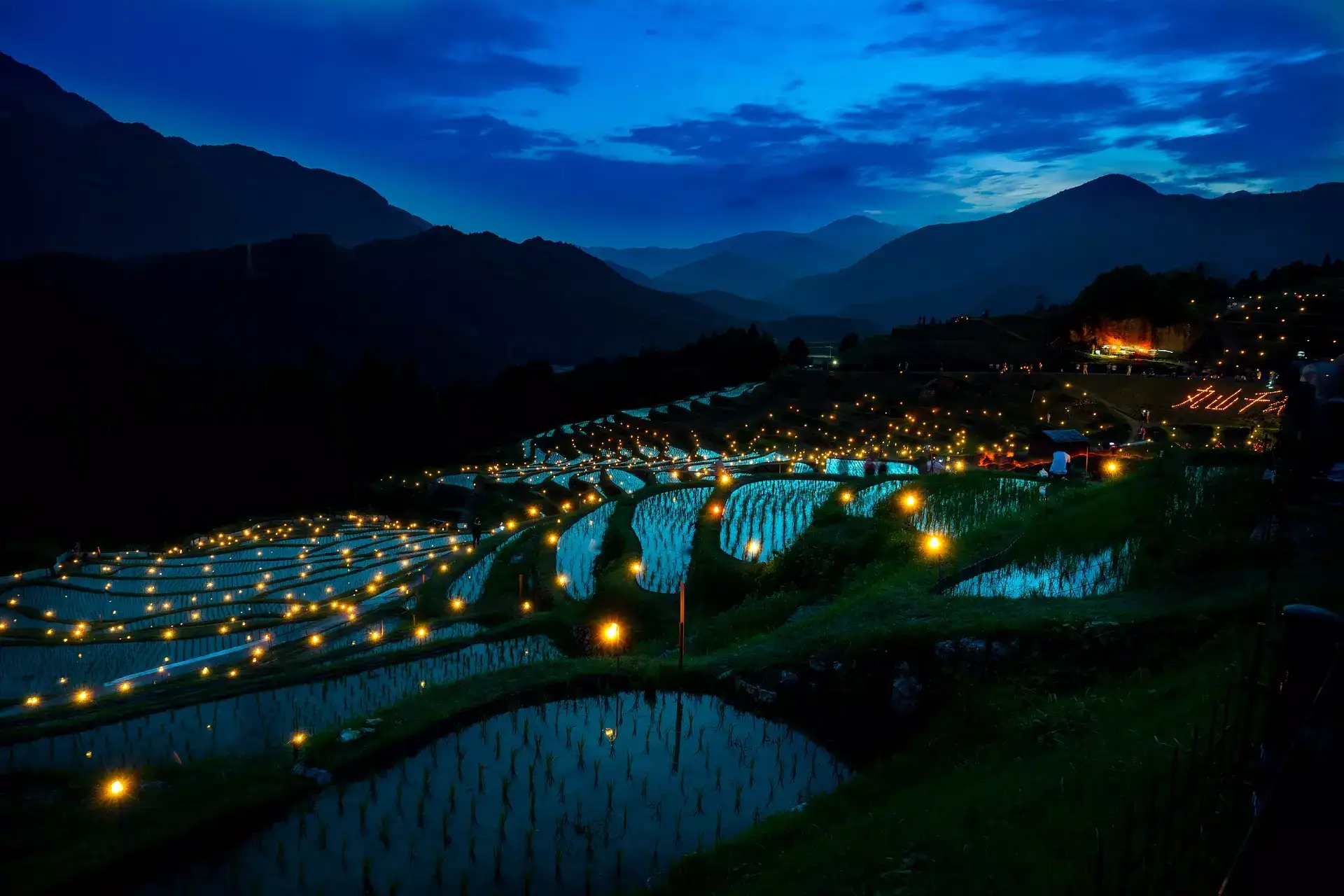 Image Courtesy: Pixabay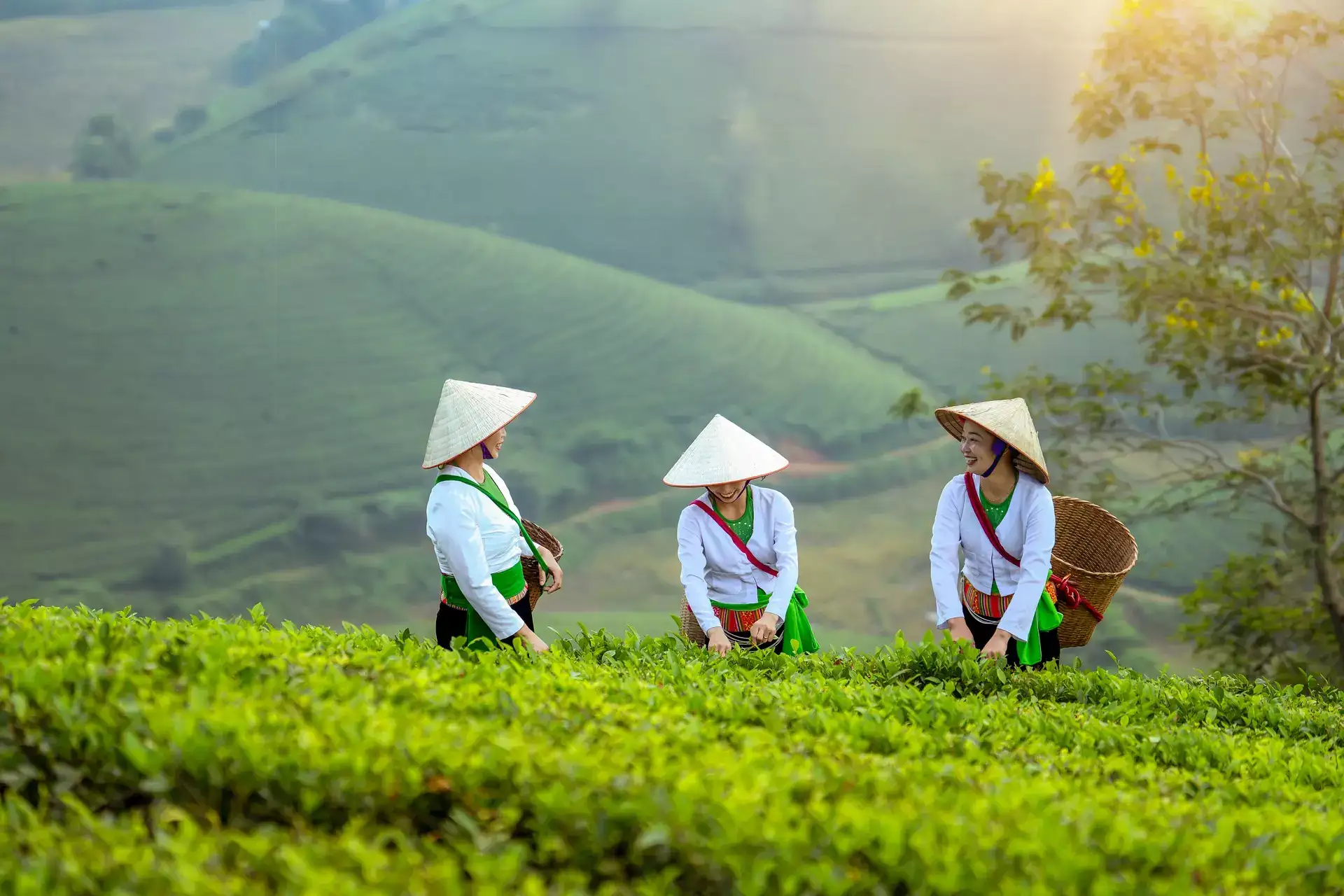
The Importance of Rice in Vietnam
Rice is at the core of Vietnam’s agricultural heritage, providing not only food but also economic stability. The country is one of the largest exporters of rice in the world, and its production is primarily concentrated in the Mekong and Red River Deltas. For centuries, these regions have been crucial to the survival and growth of the nation. Rice farming is not only a means of sustenance but also a livelihood for millions of Vietnamese farmers. The rice fields have shaped the economy, society, and even the cultural landscape of rural Vietnam.
A View of the Landscape
The rice fields themselves present a stunning visual of Vietnam’s rural landscape. The sight of endless, lush green fields, crisscrossed with water-filled paddies, is iconic. The work involved in maintaining these fields requires careful preparation and attention. Fields are flooded during the wet season, creating a mirror-like surface that reflects the sky, while during the dry season, they are left to dry for harvesting. The ebb and flow of water in the fields are an essential part of the agricultural cycle and are deeply tied to the rhythms of rural life.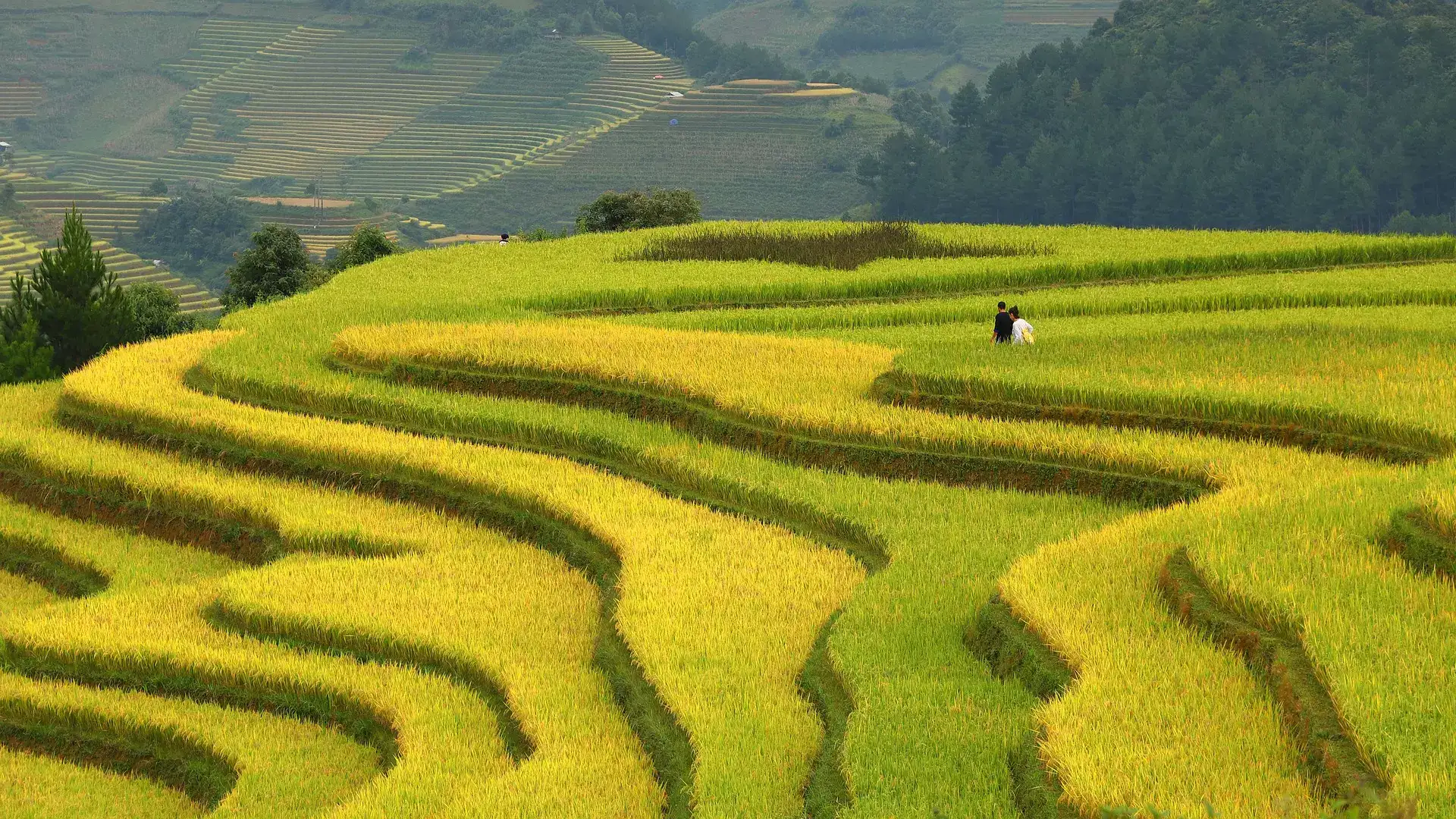 Image Courtesy: Pixabay
Traditional Farming Techniques
Vietnamese rice farming is steeped in traditions that have been passed down for generations. While modern machinery has made some of the process easier, many farmers still use time-honoured techniques that have been refined over centuries. The planting season begins with the preparation of the paddy fields, followed by the sowing of rice seedlings by hand. In many rural areas, farmers continue to work together in large groups, sharing the labour and celebrating the collective effort. The harvest season is a time for communal work and festivals, with families and neighbours gathering to celebrate the fruits of their labour.
The Cultural Significance of Rice
Rice is not only an agricultural product; it holds deep cultural and spiritual significance in Vietnam. It is a symbol of prosperity, fertility, and life itself. Rice is used in numerous traditional dishes, and its consumption is woven into various ceremonies and festivals. The Vietnamese respect rice as a gift from the earth, and there is an underlying reverence for the rice farmer who toils to ensure the harvest. Festivals like Tet, the Lunar New Year, feature offerings of rice cakes and other rice-based foods, reflecting the importance of rice in both the economy and culture.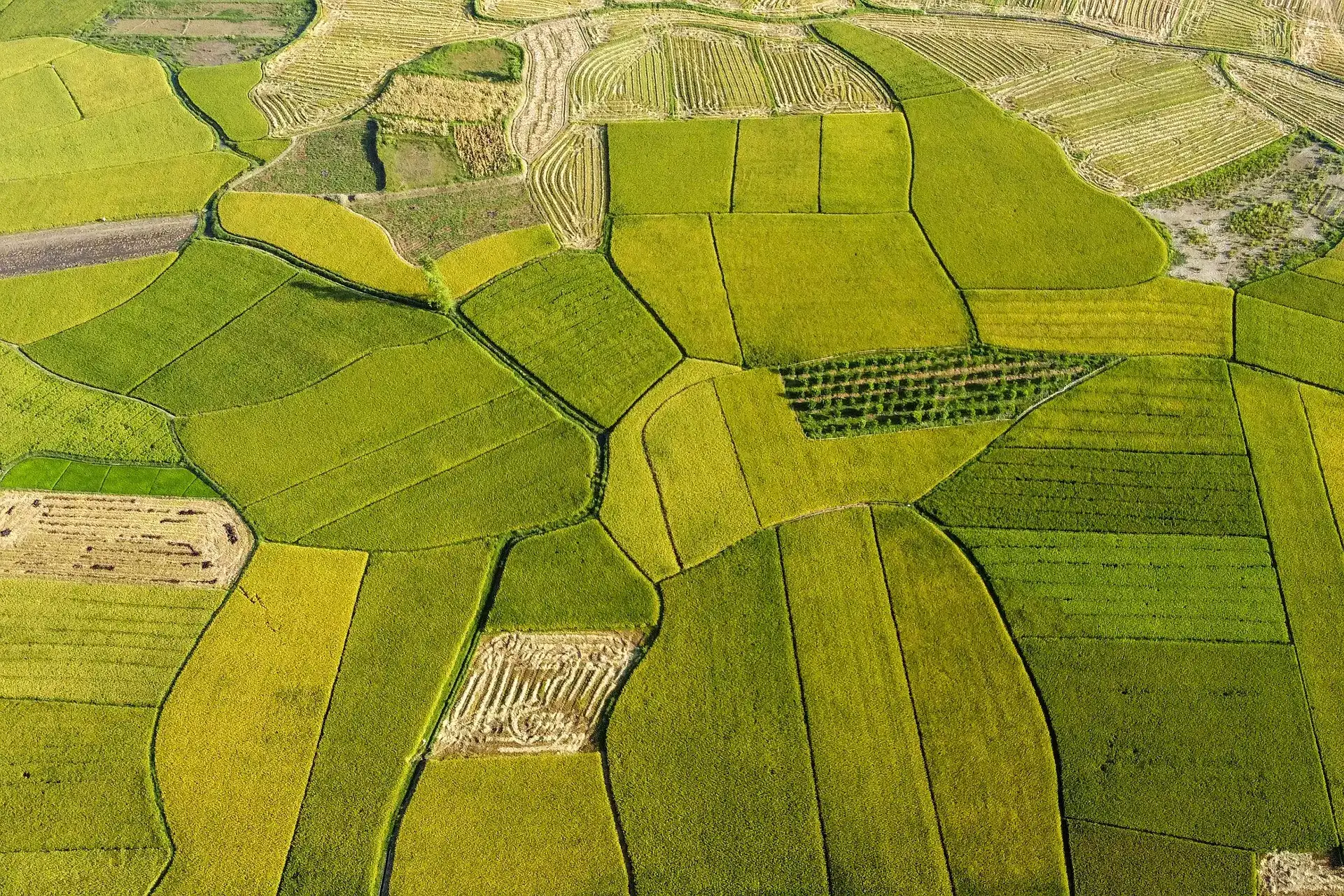 Image Courtesy: Pixabay
Rural Life Beyond the Fields
While rice cultivation is at the heart of rural life in Vietnam, the lifestyle of farmers is far from simple. Life in the countryside is often a blend of work, community, and tradition. Rural villages are tightly-knit, with families passing down agricultural knowledge and practices through generations. Beyond farming, rural Vietnamese communities often engage in other activities such as fishing, weaving, and pottery. These industries support the agricultural lifestyle and contribute to the local economy, creating a balance between different aspects of rural life.
Modern Challenges and Sustainability
Despite its importance, rice farming in Vietnam faces modern challenges. Climate change, rising sea levels, and the threat of natural disasters such as floods and droughts pose risks to agricultural production. There is also increasing pressure to modernise farming methods to keep up with global demands while ensuring sustainability. Farmers are now turning to more sustainable practices, including organic farming and water management techniques that protect the environment while still ensuring productive harvests.
The rice fields of Vietnam are not just a source of food but a living testament to the country’s agricultural heritage. These fields and the rural communities that rely on them continue to shape Vietnam’s identity, connecting the past to the present. As the country faces the pressures of modernisation and climate change, the resilience of Vietnam’s farmers remains key to preserving this vital agricultural tradition. The rice fields are more than just land; they are the heart of the country, breathing life into the culture, economy, and people.
The Importance of Rice in Vietnam
Rice is at the core of Vietnam’s agricultural heritage, providing not only food but also economic stability. The country is one of the largest exporters of rice in the world, and its production is primarily concentrated in the Mekong and Red River Deltas. For centuries, these regions have been crucial to the survival and growth of the nation. Rice farming is not only a means of sustenance but also a livelihood for millions of Vietnamese farmers. The rice fields have shaped the economy, society, and even the cultural landscape of rural Vietnam.
A View of the Landscape
The rice fields themselves present a stunning visual of Vietnam’s rural landscape. The sight of endless, lush green fields, crisscrossed with water-filled paddies, is iconic. The work involved in maintaining these fields requires careful preparation and attention. Fields are flooded during the wet season, creating a mirror-like surface that reflects the sky, while during the dry season, they are left to dry for harvesting. The ebb and flow of water in the fields are an essential part of the agricultural cycle and are deeply tied to the rhythms of rural life.
Traditional Farming Techniques
Vietnamese rice farming is steeped in traditions that have been passed down for generations. While modern machinery has made some of the process easier, many farmers still use time-honoured techniques that have been refined over centuries. The planting season begins with the preparation of the paddy fields, followed by the sowing of rice seedlings by hand. In many rural areas, farmers continue to work together in large groups, sharing the labour and celebrating the collective effort. The harvest season is a time for communal work and festivals, with families and neighbours gathering to celebrate the fruits of their labour.
The Cultural Significance of Rice
Rice is not only an agricultural product; it holds deep cultural and spiritual significance in Vietnam. It is a symbol of prosperity, fertility, and life itself. Rice is used in numerous traditional dishes, and its consumption is woven into various ceremonies and festivals. The Vietnamese respect rice as a gift from the earth, and there is an underlying reverence for the rice farmer who toils to ensure the harvest. Festivals like Tet, the Lunar New Year, feature offerings of rice cakes and other rice-based foods, reflecting the importance of rice in both the economy and culture.
Rural Life Beyond the Fields
While rice cultivation is at the heart of rural life in Vietnam, the lifestyle of farmers is far from simple. Life in the countryside is often a blend of work, community, and tradition. Rural villages are tightly-knit, with families passing down agricultural knowledge and practices through generations. Beyond farming, rural Vietnamese communities often engage in other activities such as fishing, weaving, and pottery. These industries support the agricultural lifestyle and contribute to the local economy, creating a balance between different aspects of rural life.
Modern Challenges and Sustainability
Despite its importance, rice farming in Vietnam faces modern challenges. Climate change, rising sea levels, and the threat of natural disasters such as floods and droughts pose risks to agricultural production. There is also increasing pressure to modernise farming methods to keep up with global demands while ensuring sustainability. Farmers are now turning to more sustainable practices, including organic farming and water management techniques that protect the environment while still ensuring productive harvests.
The rice fields of Vietnam are not just a source of food but a living testament to the country’s agricultural heritage. These fields and the rural communities that rely on them continue to shape Vietnam’s identity, connecting the past to the present. As the country faces the pressures of modernisation and climate change, the resilience of Vietnam’s farmers remains key to preserving this vital agricultural tradition. The rice fields are more than just land; they are the heart of the country, breathing life into the culture, economy, and people.
Next Story