
Want Your Rabbit to Enjoy the Outdoors? Follow These Simple Safety Tips

Rabbits enjoy exploring, hopping, digging and investigating their surroundings. Giving a pet rabbit access to a safe outdoor play area can provide opportunities for exercise, mental stimulation and natural behaviours. However, an ordinary garden or open balcony may contain several risks, including poisonous plants, sharp objects, predators and escape routes. Creating a rabbit-friendly space requires more than simply putting up a fence. You need to consider secure boundaries, suitable flooring, shade, shelter and constant supervision to make the experience comfortable and safe for your pet.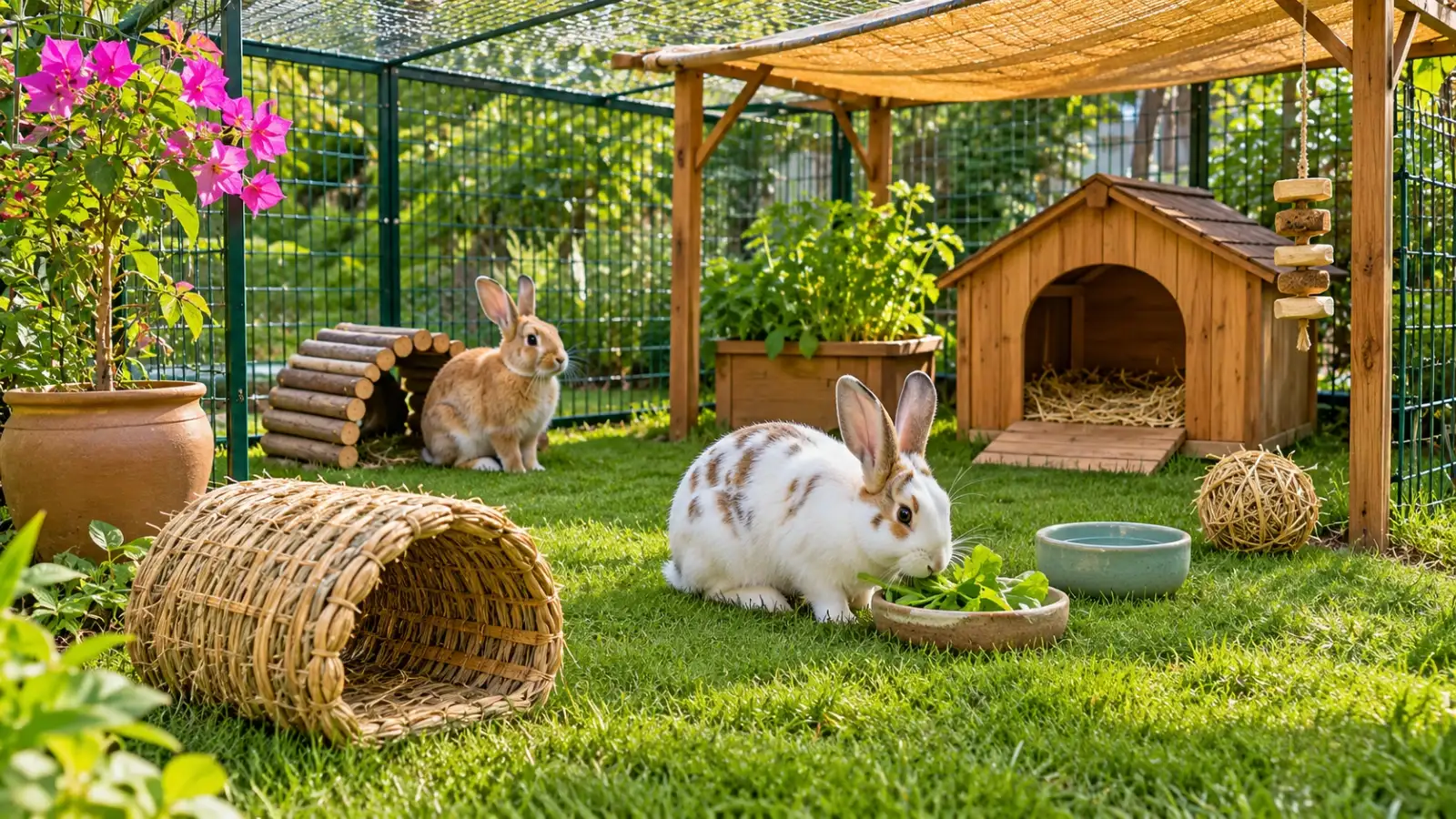
Avoid locations exposed to excessive noise or direct afternoon sunlight. Make sure the area is easy to access so you can supervise your rabbit and check the surroundings regularly.
Check the enclosure for loose panels, sharp edges and gaps near the ground. Since rabbits can dig underneath barriers, use a secure base or a buried protective barrier designed for rabbit enclosures. The enclosure should also be covered with a strong roof or predator-resistant mesh to protect against birds of prey, cats and other animals.
Avoid rough concrete, sharp stones, wire flooring and surfaces that become excessively hot. If the ground is unsuitable, provide safe resting areas with clean, non-slip mats and suitable bedding.
You can use a covered shelter, a well-ventilated outdoor hideaway or a securely positioned shade canopy. Provide protection from rain and strong winds as well. Never leave a rabbit outdoors in extreme heat or severe weather.
Also remove pesticides, weed killers, slug pellets and chemical fertilisers from the play space. Do not assume that a plant is safe simply because other animals appear to eat it. If you are unsure about a plant, keep it out of reach and consult a rabbit-savvy veterinarian.
Consider adding:
You can also provide a sheltered resting area with clean bedding and plenty of fresh hay. The space should allow your rabbit to retreat whenever it feels tired, nervous or overwhelmed.
Check the fencing, ground and surrounding area before each play session. Avoid leaving your rabbit unattended, especially in areas where predators or neighbourhood pets may be present. Make sure your rabbit is comfortable with outdoor experiences and introduce the space gradually.
Creating a safe outdoor play area can make a positive difference to your pet rabbit's daily routine. A secure enclosure, suitable flooring, shaded shelter, fresh water and interesting toys can encourage natural movement and exploration. Regular supervision and careful removal of hazards are equally important. Remember that outdoor play should complement a rabbit's normal indoor living arrangements, not replace a safe, comfortable home environment.
1. Choose a Secure and Suitable Location
Start by selecting a quiet outdoor area away from busy roads, vehicle parking and places where unfamiliar animals frequently pass. A fenced section of your garden or a purpose-built rabbit run can work well.Avoid locations exposed to excessive noise or direct afternoon sunlight. Make sure the area is easy to access so you can supervise your rabbit and check the surroundings regularly.
2. Install Strong and Escape-Proof Fencing
Rabbits are excellent diggers and can squeeze through surprisingly small gaps. Use sturdy fencing with a secure gate and closely spaced openings that prevent your pet from slipping out.Check the enclosure for loose panels, sharp edges and gaps near the ground. Since rabbits can dig underneath barriers, use a secure base or a buried protective barrier designed for rabbit enclosures. The enclosure should also be covered with a strong roof or predator-resistant mesh to protect against birds of prey, cats and other animals.
3. Provide Soft and Rabbit-Friendly Flooring
Choose a surface that allows your rabbit to move comfortably without injuring its feet. Natural grass is a good option when it has not been treated with pesticides, herbicides or chemical fertilisers.Avoid rough concrete, sharp stones, wire flooring and surfaces that become excessively hot. If the ground is unsuitable, provide safe resting areas with clean, non-slip mats and suitable bedding.
4. Create Shaded Areas and Weather Protection
Rabbits are sensitive to heat and can develop serious heat-related problems. Make sure the play area always has access to shade, particularly during warm weather.You can use a covered shelter, a well-ventilated outdoor hideaway or a securely positioned shade canopy. Provide protection from rain and strong winds as well. Never leave a rabbit outdoors in extreme heat or severe weather.
You may also like
- Engulfed in smog: Ahmedabad struggles with toxic air
- Does Wetting Your Hair Before Swimming Really Protect It From Chlorine?
- Are we raising children who cannot handle disappointment?
- Loco Pilot Salary: How to Prepare to Become a Loco Pilot, and What Is the Starting Salary
- Winter cravings and your heart: How your favourite seasonal foods push your cholesterol up
5. Remove Poisonous Plants and Garden Chemicals
Before allowing your rabbit into the garden, inspect the entire area for potentially harmful plants. Some common garden plants, including foxglove, lily, yew and rhododendron, can be toxic to rabbits.Also remove pesticides, weed killers, slug pellets and chemical fertilisers from the play space. Do not assume that a plant is safe simply because other animals appear to eat it. If you are unsure about a plant, keep it out of reach and consult a rabbit-savvy veterinarian.
6. Add Tunnels, Hideaways and Enrichment Toys
A good outdoor play area should offer more than open space. Rabbits enjoy hiding, exploring and moving through different environments.Consider adding:
- Pet-safe tunnels for running and exploring.
- Untreated wooden hideaways with smooth edges.
- Cardboard boxes without staples or plastic tape.
- Safe chew toys made from untreated natural materials.
- Hay-filled enrichment toys that encourage natural foraging.
7. Provide Fresh Water and a Comfortable Resting Spot
Keep a stable, clean water bowl in a shaded location and refill it regularly. Check the water throughout the day, particularly in warm weather.You can also provide a sheltered resting area with clean bedding and plenty of fresh hay. The space should allow your rabbit to retreat whenever it feels tired, nervous or overwhelmed.
8. Supervise Outdoor Playtime
Even a well-designed enclosure does not eliminate every risk. Stay nearby whenever your rabbit is outdoors and watch for signs of stress, overheating or unusual behaviour.Check the fencing, ground and surrounding area before each play session. Avoid leaving your rabbit unattended, especially in areas where predators or neighbourhood pets may be present. Make sure your rabbit is comfortable with outdoor experiences and introduce the space gradually.
Creating a safe outdoor play area can make a positive difference to your pet rabbit's daily routine. A secure enclosure, suitable flooring, shaded shelter, fresh water and interesting toys can encourage natural movement and exploration. Regular supervision and careful removal of hazards are equally important. Remember that outdoor play should complement a rabbit's normal indoor living arrangements, not replace a safe, comfortable home environment.






Loving Newspoint? Download the app now
