
Saving Food for Another Meal? These Leftover Storage Habits Can Help Reduce Waste and Avoid Common Risks

Leftovers can make meals easier and help households use food more efficiently, but safe storage matters. Cooked food should not sit at room temperature for long periods, and suitable containers help it cool and store more reliably. Planning portions can reduce the amount that needs to be kept.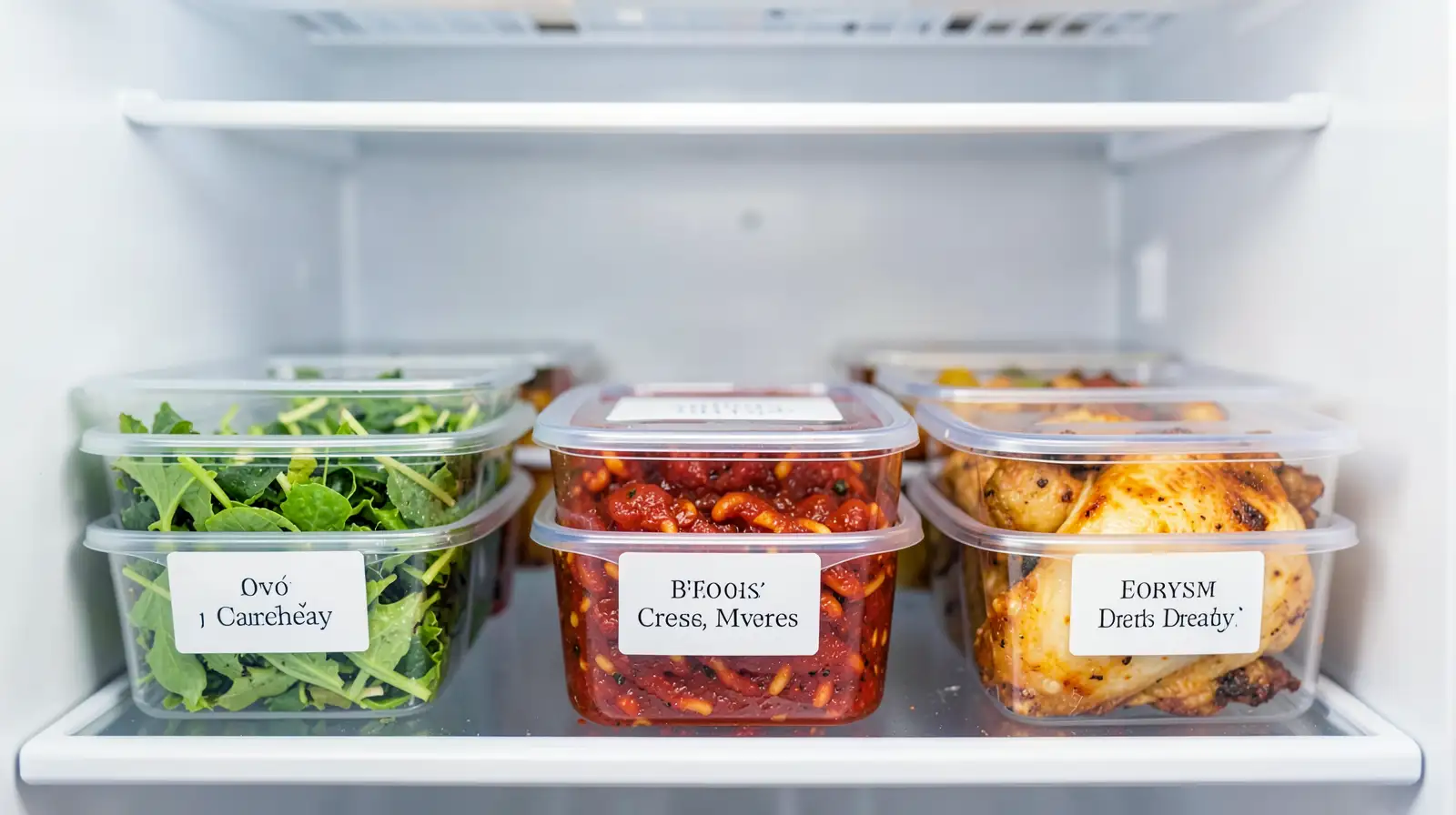
Different foods have different storage needs, so one rule does not cover every ingredient. Refrigeration slows the growth of many harmful microorganisms but does not make food safe indefinitely. Label containers with dates, follow appropriate storage guidance and discard food when safety is uncertain rather than relying only on smell or appearance.
Keep the refrigerator at a safe temperature, generally 5°C or below, and avoid overfilling it so cold air can circulate. Store food covered to help prevent contamination and spills. Keep raw foods separate from ready-to-eat leftovers, and place containers where they will not be crushed or forgotten behind other items.
Freeze suitable portions if you do not expect to use them within the recommended refrigerated storage period. Use containers intended for freezing, allow room for expansion where necessary and label them clearly. Defrost food safely according to appropriate guidance, rather than leaving it for long periods on the kitchen counter.
Never rely on smell, taste or appearance alone to determine whether food is safe. Some harmful microorganisms may be present without obvious signs of spoilage. If food has been stored incorrectly, left out too long or kept beyond recommended limits, discard it rather than taking a chance.
Planning portions before cooking can also reduce waste. If you regularly have too much food left over, prepare a smaller quantity or deliberately plan a second meal using the extra portion. Safe storage makes leftovers useful, but good judgement and appropriate handling remain essential.
Different foods have different storage needs, so one rule does not cover every ingredient. Refrigeration slows the growth of many harmful microorganisms but does not make food safe indefinitely. Label containers with dates, follow appropriate storage guidance and discard food when safety is uncertain rather than relying only on smell or appearance.
Cool and refrigerate food promptly
Transfer leftovers into clean, suitable containers and refrigerate them promptly. Dividing a large quantity into smaller, shallow portions can help it cool more quickly. Do not leave cooked food sitting out for hours while waiting for it to reach room temperature; follow recognised food-safety guidance for the food and conditions involved.You may also like
- 444 explained: Why it's considered a sign of protection
- Can you find out from the comfort of your home whether your kidneys are healthy? When should you be alert?
- Health Alert: How dangerous is accumulated body fat for the health of the elderly? Find out the easiest way to reduce it..
- Psychology says people who rehearse what to say before making a phone call may be doing it for a reason
- Why Morning Joint Tightness Lasting Over 30 Minutes Could Signal Early Arthritis
Keep the refrigerator at a safe temperature, generally 5°C or below, and avoid overfilling it so cold air can circulate. Store food covered to help prevent contamination and spills. Keep raw foods separate from ready-to-eat leftovers, and place containers where they will not be crushed or forgotten behind other items.
Label, organise and use leftovers sensibly
Write the preparation date on containers when you store them. This simple step helps you identify older food and plan which meal to use first. Storage times vary by ingredient and preparation method, so follow reliable food-safety guidance rather than assuming every cooked dish will keep equally well.Freeze suitable portions if you do not expect to use them within the recommended refrigerated storage period. Use containers intended for freezing, allow room for expansion where necessary and label them clearly. Defrost food safely according to appropriate guidance, rather than leaving it for long periods on the kitchen counter.
Reheat food carefully and know when to discard it
Reheat leftovers thoroughly until steaming hot throughout, stirring where needed to reduce cold spots. If using a microwave, follow its instructions and allow time for heat to distribute. Avoid repeatedly cooling and reheating the same portion; take out only what you intend to eat.Never rely on smell, taste or appearance alone to determine whether food is safe. Some harmful microorganisms may be present without obvious signs of spoilage. If food has been stored incorrectly, left out too long or kept beyond recommended limits, discard it rather than taking a chance.
Planning portions before cooking can also reduce waste. If you regularly have too much food left over, prepare a smaller quantity or deliberately plan a second meal using the extra portion. Safe storage makes leftovers useful, but good judgement and appropriate handling remain essential.






Loving Newspoint? Download the app now
