
Say Goodbye To Burnt Onions: 5 Simple Tricks For Sautéing Like A Pro

Sautéed onions can add a rich flavour and aroma to your dishes, but mastering the art of sautéing without ending up with burnt onions can be a challenge. Fear not! With a few simple tips, you can elevate your sautéing game and enjoy perfectly caramelised onions every time.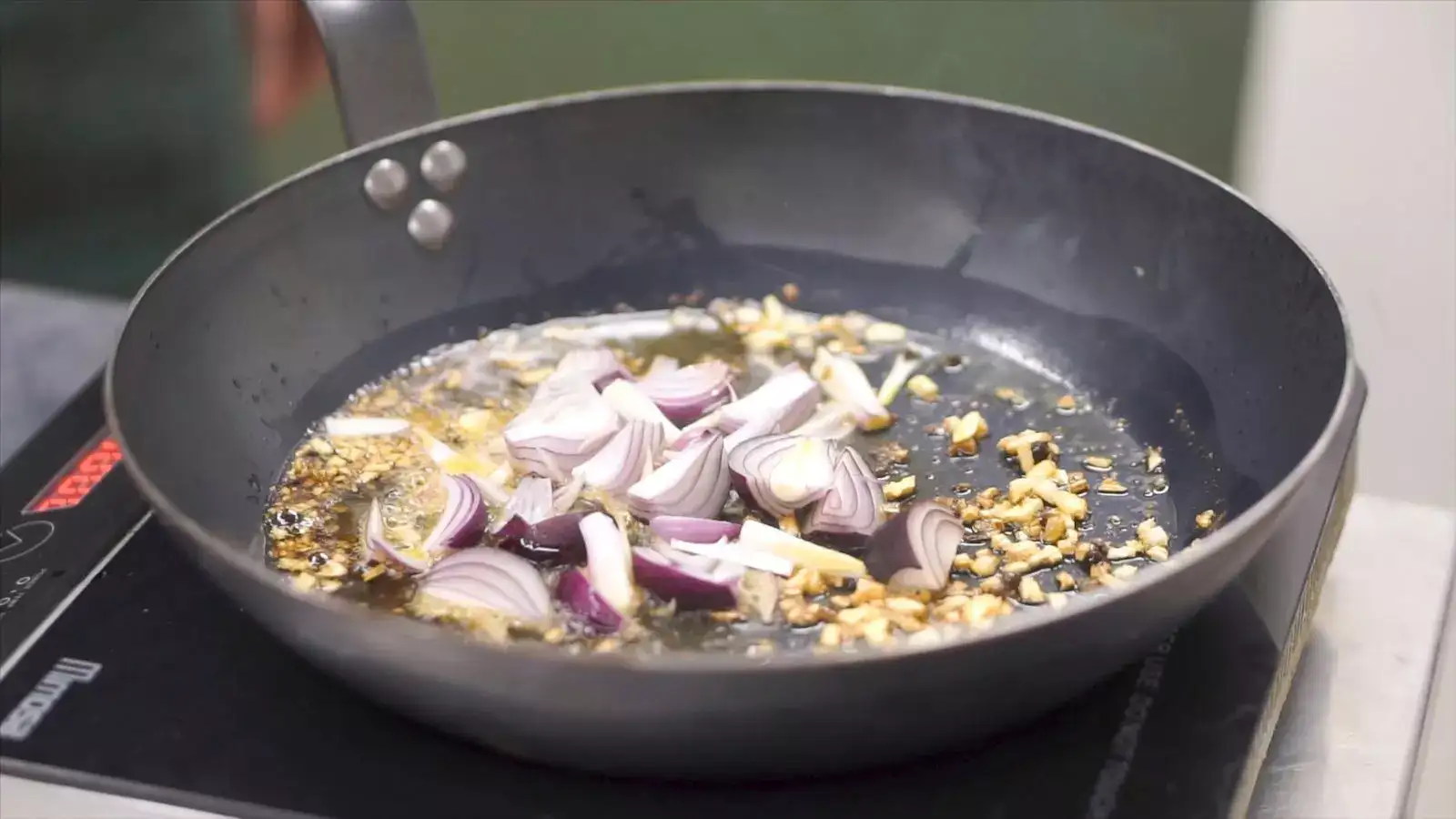
Choose the Right Pan:
The first step to successful sautéing is selecting the right pan. Opt for a wide, flat-bottomed skillet or sauté pan to ensure even heat distribution. A pan with a non-stick surface can be beneficial, making it easier to control the cooking process and preventing onions from sticking to the bottom. A stainless steel or cast-iron pan can also work well, offering excellent heat retention.
Use the Right Oil:
The type of oil you use can significantly impact the flavour and texture of your sautéed onions. For a classic and neutral taste, go for oils with a high smoke point such as vegetable oil, canola oil, or grapeseed oil. These oils can withstand higher temperatures without burning or developing off-flavours. Avoid using extra virgin olive oil for high-heat sautéing, as its low smoke point can lead to unwanted bitterness.
Prep Your Onions Properly:
Proper onion preparation is crucial for achieving the desired results. Start by choosing fresh, firm onions. Peel and slice them evenly to ensure uniform cooking. If you prefer a sweeter flavour, opt for yellow onions, while red onions can add a vibrant colour and a slightly milder taste. Cut the onions thinly or dice them according to your recipe, ensuring consistent size for even cooking.
Control the Heat:
Maintaining the right cooking temperature is key to preventing burnt onions. Begin by heating your pan over medium heat and add the oil. Once the oil is hot, add the onions and stir frequently to distribute the heat evenly. If the onions start to brown too quickly, reduce the heat to prevent burning. Sauté the onions until they become translucent and take on a golden hue. This process typically takes around 10-15 minutes, depending on the quantity and thickness of the onions.
Add a Pinch of Salt:
Enhance the natural sweetness of onions and expedite the caramelization process by adding a pinch of salt. Salt not only seasons the onions but also helps draw out moisture, aiding in the browning process. Be cautious with the amount of salt you add, as it is easier to adjust later in the cooking process. You can also experiment with complementary herbs and spices to elevate the flavour profile of your sautéed onions.
With these simple tips, you can say goodbye to burnt onions and hello to perfectly sautéed goodness. Experiment with different onions, oils, and seasonings to find the perfect combination that suits your culinary preferences. With a little practice, you'll be sautéing onions like a pro, enhancing the flavour of your favourite dishes with this versatile and aromatic ingredient.
Choose the Right Pan:
The first step to successful sautéing is selecting the right pan. Opt for a wide, flat-bottomed skillet or sauté pan to ensure even heat distribution. A pan with a non-stick surface can be beneficial, making it easier to control the cooking process and preventing onions from sticking to the bottom. A stainless steel or cast-iron pan can also work well, offering excellent heat retention.
Use the Right Oil:
The type of oil you use can significantly impact the flavour and texture of your sautéed onions. For a classic and neutral taste, go for oils with a high smoke point such as vegetable oil, canola oil, or grapeseed oil. These oils can withstand higher temperatures without burning or developing off-flavours. Avoid using extra virgin olive oil for high-heat sautéing, as its low smoke point can lead to unwanted bitterness.
Prep Your Onions Properly:
Proper onion preparation is crucial for achieving the desired results. Start by choosing fresh, firm onions. Peel and slice them evenly to ensure uniform cooking. If you prefer a sweeter flavour, opt for yellow onions, while red onions can add a vibrant colour and a slightly milder taste. Cut the onions thinly or dice them according to your recipe, ensuring consistent size for even cooking.
Control the Heat:
Maintaining the right cooking temperature is key to preventing burnt onions. Begin by heating your pan over medium heat and add the oil. Once the oil is hot, add the onions and stir frequently to distribute the heat evenly. If the onions start to brown too quickly, reduce the heat to prevent burning. Sauté the onions until they become translucent and take on a golden hue. This process typically takes around 10-15 minutes, depending on the quantity and thickness of the onions.
Add a Pinch of Salt:
Enhance the natural sweetness of onions and expedite the caramelization process by adding a pinch of salt. Salt not only seasons the onions but also helps draw out moisture, aiding in the browning process. Be cautious with the amount of salt you add, as it is easier to adjust later in the cooking process. You can also experiment with complementary herbs and spices to elevate the flavour profile of your sautéed onions.
With these simple tips, you can say goodbye to burnt onions and hello to perfectly sautéed goodness. Experiment with different onions, oils, and seasonings to find the perfect combination that suits your culinary preferences. With a little practice, you'll be sautéing onions like a pro, enhancing the flavour of your favourite dishes with this versatile and aromatic ingredient.
Next Story