
Sea Salt vs Black Salt: Key Differences In Taste, Nutrition And Everyday Cooking

Sea salt and black salt may look similar on the plate, but they are made differently and can bring distinct flavours to everyday cooking. Both are widely used in Indian kitchens, yet their culinary roles are not always interchangeable.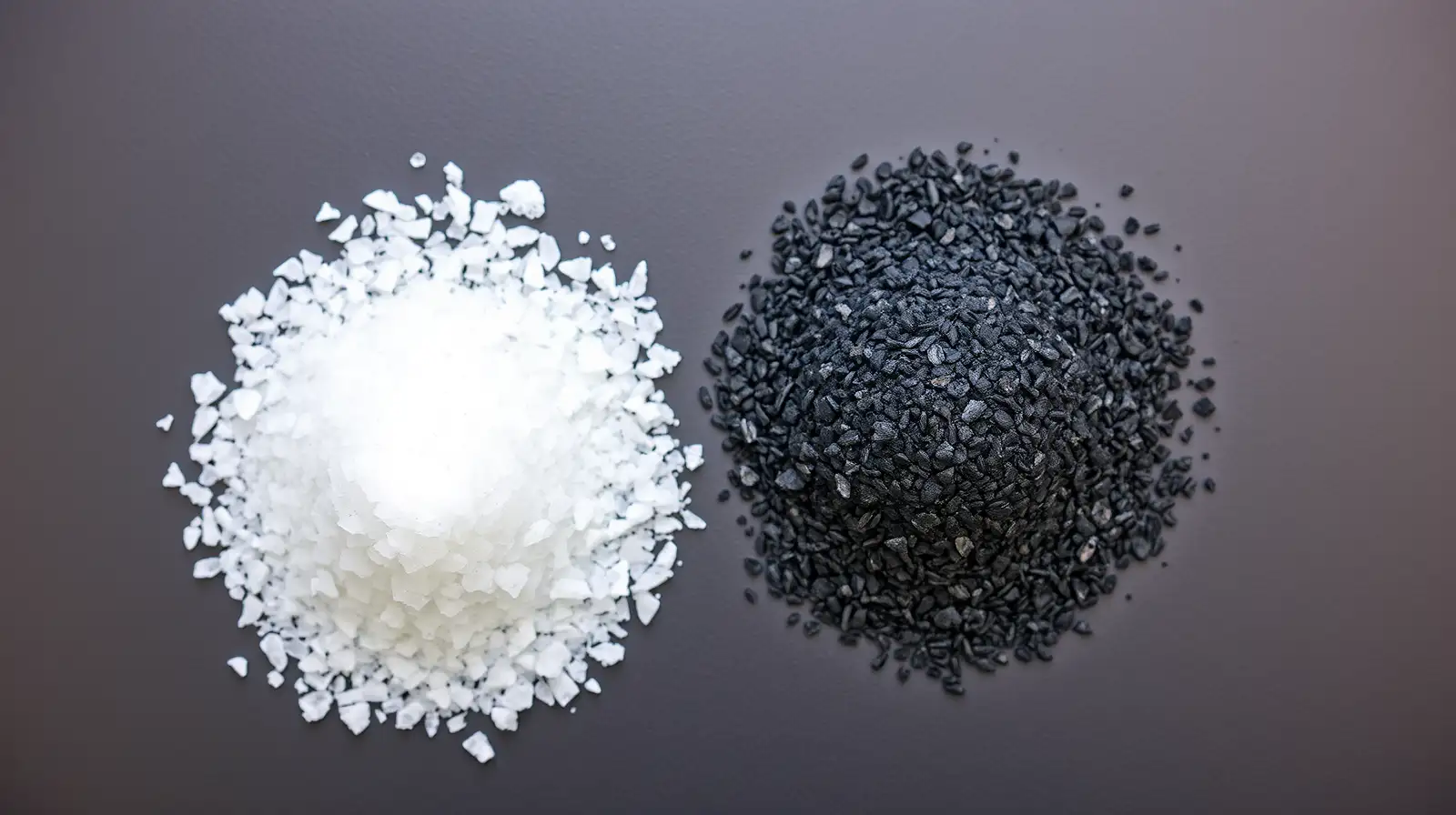
Sea salt is produced from evaporated seawater, while black salt, commonly called kala namak , is a mineral salt associated with South Asian cuisine. According to nutrition experts, neither should be viewed as a health food simply because it is less refined or has a distinctive taste. Understanding their differences can help you choose the right salt for flavour, texture and cooking.
Black salt has a distinctive savoury, sulphurous character. It is particularly popular in chaats, raitas, chutneys, fruit dishes and drinks such as jaljeera. A small amount can change a dish considerably, so replacing sea salt with black salt in equal amounts may not produce the same result.
Sea salt may retain tiny amounts of minerals, but these are generally not present in quantities that make it a significant source of nutrition. Black salt also contains mineral compounds, but it is not a health remedy.
Another point is iodine. Not every sea salt or black salt product is iodised. If iodised salt is your main dietary source of iodine, check the packaging rather than assuming a particular type contains enough.
Ultimately, there is no universal winner in the sea salt vs black salt debate. The better choice depends on the recipe, flavour you want and how much salt you use overall.
Sea salt is produced from evaporated seawater, while black salt, commonly called kala namak , is a mineral salt associated with South Asian cuisine. According to nutrition experts, neither should be viewed as a health food simply because it is less refined or has a distinctive taste. Understanding their differences can help you choose the right salt for flavour, texture and cooking.
How sea salt and black salt are made
Sea salt is obtained by evaporating seawater, through natural evaporation or controlled processing. Its appearance can range from fine white crystals to larger flakes, depending on how it is harvested. Black salt, or kala namak, is traditionally made from mineral-rich salt that is heated and processed, creating sulphur compounds responsible for its characteristic aroma and egg-like flavour.Taste and cooking uses
The biggest practical difference is flavour. Sea salt generally has a clean, salty taste, so it works well as an everyday seasoning in soups, vegetables, sauces, baking and finishing dishes.Black salt has a distinctive savoury, sulphurous character. It is particularly popular in chaats, raitas, chutneys, fruit dishes and drinks such as jaljeera. A small amount can change a dish considerably, so replacing sea salt with black salt in equal amounts may not produce the same result.
Which salt is healthier?
From a nutrition perspective, the difference is often overstated. Both sea salt and black salt contain sodium, and excessive sodium intake can contribute to high blood pressure. According to health experts, the more important consideration is the total amount of salt consumed rather than choosing one simply because it sounds more natural.Sea salt may retain tiny amounts of minerals, but these are generally not present in quantities that make it a significant source of nutrition. Black salt also contains mineral compounds, but it is not a health remedy.
Another point is iodine. Not every sea salt or black salt product is iodised. If iodised salt is your main dietary source of iodine, check the packaging rather than assuming a particular type contains enough.
Which one should you choose?
For neutral seasoning and everyday cooking, sea salt is usually the more versatile option. Black salt is better when you specifically want its distinctive sulphurous, savoury note.Ultimately, there is no universal winner in the sea salt vs black salt debate. The better choice depends on the recipe, flavour you want and how much salt you use overall.
Next Story