
Seasonal Diet Changes Indian Seniors Can Make For Better Everyday Nutrition

As the seasons change, so do temperature, humidity, food availability and everyday eating habits. For older adults, these changes can make a difference to hydration, appetite and meal preferences. A seasonal diet for seniors does not mean following a completely different menu every few months. Instead, it is about making sensible adjustments while continuing to get adequate protein, fibre, vitamins, minerals and fluids. In India, where summers can be intensely hot and winters can be quite cold in some regions, these adjustments may be particularly useful. According to nutrition experts, older adults should also consider existing dietary needs when making seasonal changes.
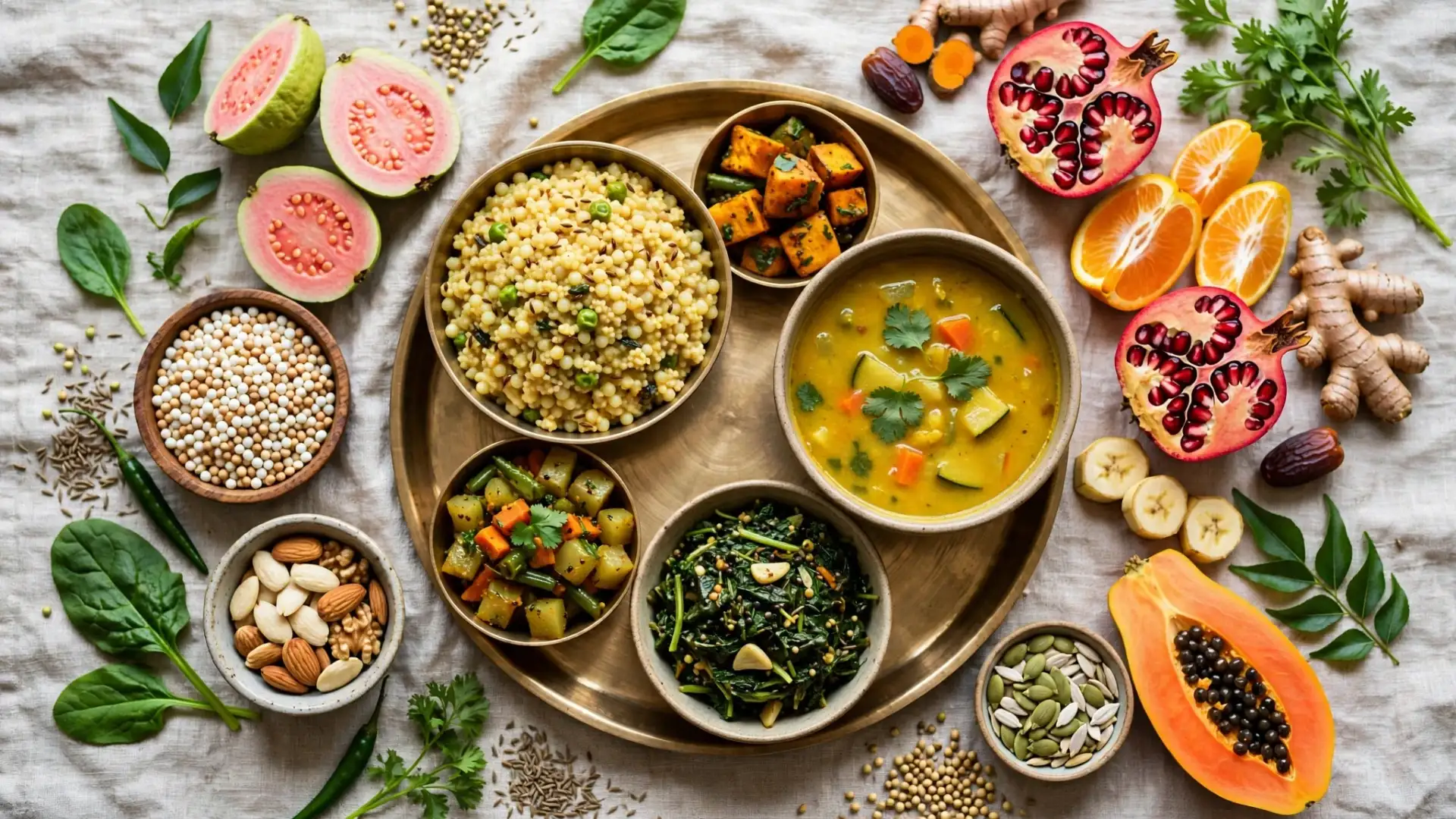
Summer Calls For More Hydration
Hot weather can increase fluid losses through sweating, making hydration an important consideration for senior nutrition . Older adults may not always feel thirsty even when their body needs fluids, so regular intake throughout the day can be useful.Alongside water, seasonal foods with high water content, such as cucumber, watermelon, oranges and muskmelon, can add variety. Light meals such as dal with rice, vegetable khichdi or curd-based dishes may also feel more comfortable during very hot days.
However, people with medical conditions requiring fluid or dietary restrictions should follow their healthcare professional's advice rather than increasing particular foods or fluids independently.
Monsoon Means Paying Attention To Food Safety
The monsoon can bring higher humidity and conditions that may encourage food spoilage. For older adults, careful food handling becomes particularly important.You may also like
- 7 Best Fruits For Fatty Liver: Gastroenterologist Explains What To Eat And How To Protect Your Liver Naturally
- Why more UAE mothers are using AirTags to track their children at school
- Control Anger And Anxiety In Just 5 Minutes Daily: Why Bhramari Pranayama Is The Ultimate Natural Remedy For Stress
- Why Did Krishna's Own Clan Destroy Itself? The Hidden Truth
- Basque waist is fashion next favourite. What is it?
Freshly prepared meals, properly washed produce and safe drinking water should form the basis of a healthy diet for elderly people. Leftovers should be stored correctly rather than being kept at room temperature for long periods.
Seasonal fruits and cooked vegetables can provide useful nutrients, while overly oily or heavily fried foods may be best kept occasional.
Winter Is A Good Time For Warm, Nutrient-Rich Meals
Cooler weather often makes warm meals more appealing. Soups, dals, vegetable preparations and whole-grain dishes can provide comfort while contributing useful nutrients.Indian senior citizen diet plans can include winter produce such as carrots, peas, spinach, cauliflower and other locally available vegetables. Nuts and seeds can also provide healthy fats and other nutrients, although portions should remain appropriate because they are calorie-dense.
Protein deserves attention in every season. Pulses, dairy products, eggs, fish or lean meats, depending on individual dietary preferences, can help support adequate protein intake.
Keep Seasonal Changes Practical
There is no need to completely overhaul an older person's diet whenever the weather changes. Industry experts generally recommend focusing on variety, adequate hydration, balanced meals and foods that suit individual tolerance.For seniors taking medication or managing conditions such as diabetes, kidney disease or high blood pressure, dietary changes should be discussed with a qualified healthcare professional. The goal is simple: adapt meals to the season without losing sight of overall nutritional needs.
Image Courtesy: Meta AI






Loving Newspoint? Download the app now
