
Best Seasonal Fruits to Buy Now and How to Add Them to Your Diet

A visit to the local fruit market can be especially exciting when a new season begins. Different fruits appear as temperatures, rainfall and growing conditions change, bringing new flavours and colours to everyday meals. Buying seasonal fruits can also be a simple way to keep your fruit basket varied throughout the year.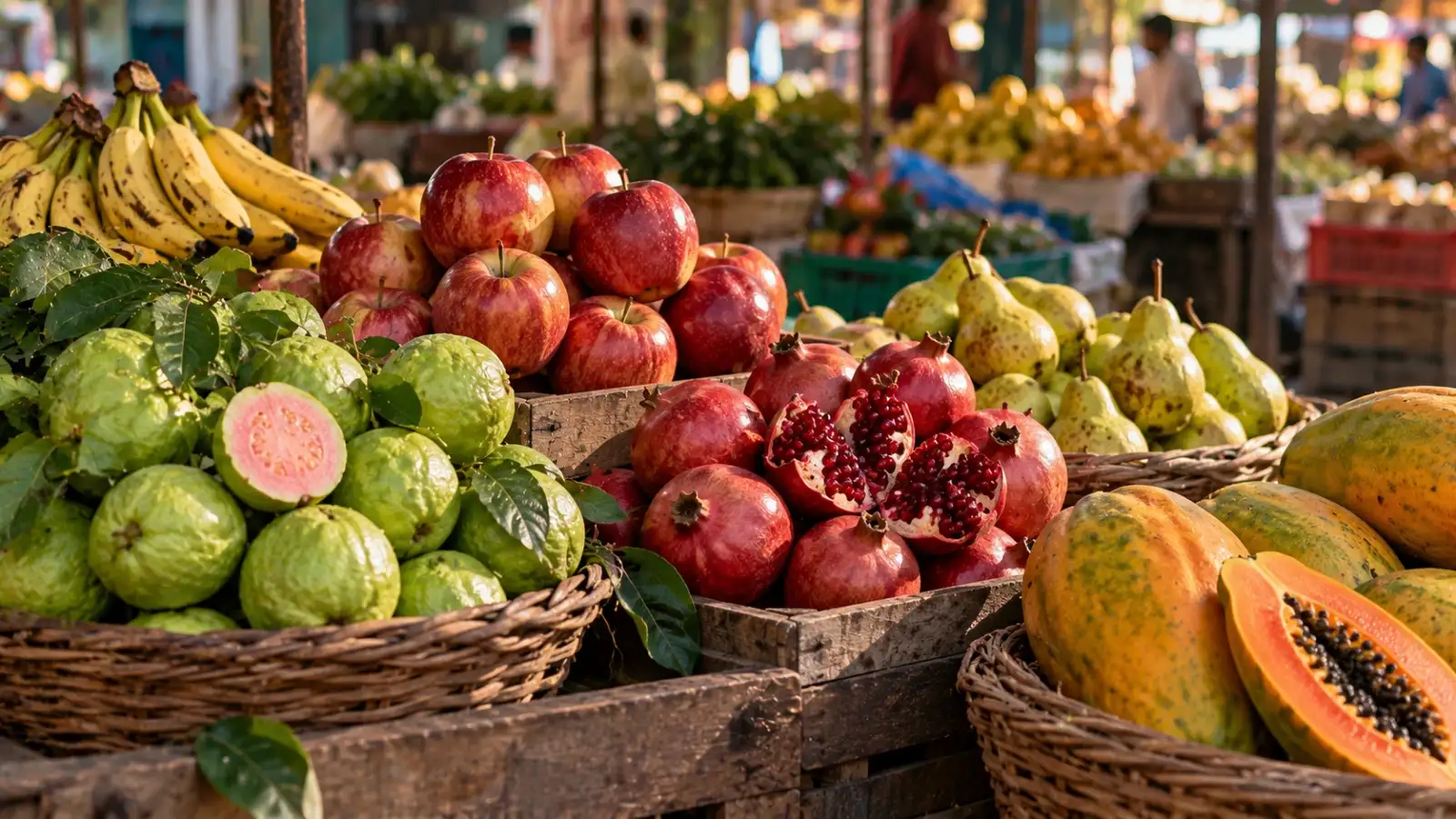
In September, fruit choices can vary considerably across India because different regions have different climates and growing seasons. Some fruits are still available from the summer months, while others begin appearing as the weather moves towards autumn.
Instead of buying every fruit simply because it looks attractive, it helps to choose fresh produce that suits your needs. Look for fruit that feels naturally firm or slightly soft depending on the variety, smells fresh and does not have extensive bruising or mould.
Choose guavas that have a pleasant fragrance and are free from large bruises. Depending on the variety and how you like to eat them, you can select fruit that is either firm and crisp or slightly softer.
Guava can also be chopped into salads or blended into a refreshing drink. Its naturally sweet and slightly tangy flavour works particularly well with a small amount of chilli and salt.
When buying apples, look for fruit that feels firm and has smooth, unbroken skin. Avoid pieces with deep bruises or soft patches.
You can simply slice an apple for breakfast, add it to oats or yoghurt, or use it in homemade desserts. Apples can also be chopped into salads where their natural sweetness adds contrast to savoury ingredients.
The easiest way to use pomegranate is to remove the seeds and eat them fresh. They can also be sprinkled over yoghurt, salads, porridge and fruit bowls.
When buying a pomegranate, choose one that feels heavy for its size. A slightly firm, well-shaped fruit is generally preferable to one with visible soft spots or damaged skin.
You do not need to prepare a complicated recipe to enjoy it. A handful of seeds can add sweetness, texture and colour to an otherwise ordinary dish.
A good pear should be free from major bruises and signs of spoilage. Some varieties are best eaten while firm, while others become sweeter and softer as they ripen.
Slice pears into breakfast bowls, combine them with nuts or yoghurt, or add them to a simple salad. They can also be lightly cooked with spices to create an easy homemade dessert.
Choose a papaya according to when you plan to eat it. A mostly green fruit may need more time to ripen, while one showing yellow or orange skin may be ready sooner. The fruit should not have extensive dark, sunken or mouldy areas.
Ripe papaya can be cut into cubes and eaten chilled. It can also be combined with other fruits or blended into a smoothie.
They are easy to eat, require no cutting and can be used in several recipes. Ripe bananas can be added to smoothies, porridge or homemade pancakes. Very ripe bananas can also be used in banana bread or simple desserts.
When buying bananas, choose them according to how quickly you intend to eat them. Greenish bananas will take longer to ripen, while yellow bananas with small brown spots are generally ready to eat.
Avoid fruit with extensive mould, leaking juice, deep bruises or a fermented smell. However, a few natural marks on the skin do not necessarily mean the fruit is bad. Appearance can vary between varieties and does not always indicate flavour.
It is also useful to buy quantities that your household can finish before the fruit becomes overripe. Buying too much at once can lead to unnecessary food waste.
Keep fruits that ripen quickly separate from those that can be stored for longer. Bananas, for example, can speed up the ripening of nearby produce because they release ethylene gas.
For a refreshing snack, try chilled fruit with a small amount of lemon juice and a pinch of spice. Apples and pears can be combined with leafy salads, while pomegranate seeds can add colour and crunch to savoury dishes.
Ripe fruit can also be frozen and later used in smoothies. This can be particularly useful when you have bought more fruit than your family can eat immediately.
The key is to keep preparation simple so that the natural taste of the fruit remains the main attraction.
Choose fruit carefully, buy sensible quantities and store each variety according to its needs. Whether you eat a crisp apple, juicy guava, sweet pear or colourful pomegranate seeds, seasonal produce can make ordinary meals feel fresher and more enjoyable.
The best approach is not to chase every fruit in the market. Instead, pick a few fresh varieties you enjoy, use them creatively and allow your fruit basket to change naturally with the seasons.
In September, fruit choices can vary considerably across India because different regions have different climates and growing seasons. Some fruits are still available from the summer months, while others begin appearing as the weather moves towards autumn.
Instead of buying every fruit simply because it looks attractive, it helps to choose fresh produce that suits your needs. Look for fruit that feels naturally firm or slightly soft depending on the variety, smells fresh and does not have extensive bruising or mould.
Guava: A simple fruit with plenty of uses
Guava is a popular choice as the rainy season starts giving way to cooler days in many parts of the country. Fresh guavas can be enjoyed on their own, sliced and sprinkled with a little salt and spice, or added to fruit bowls.Choose guavas that have a pleasant fragrance and are free from large bruises. Depending on the variety and how you like to eat them, you can select fruit that is either firm and crisp or slightly softer.
Guava can also be chopped into salads or blended into a refreshing drink. Its naturally sweet and slightly tangy flavour works particularly well with a small amount of chilli and salt.
Apples: A convenient everyday option
Apples begin appearing in abundance as the autumn fruit season gets underway, although availability depends on the variety and growing region. They are easy to carry, store and add to meals, making them a useful fruit for busy households.When buying apples, look for fruit that feels firm and has smooth, unbroken skin. Avoid pieces with deep bruises or soft patches.
You can simply slice an apple for breakfast, add it to oats or yoghurt, or use it in homemade desserts. Apples can also be chopped into salads where their natural sweetness adds contrast to savoury ingredients.
Pomegranate: Add colour to everyday meals
Pomegranate is another fruit worth considering when shopping for seasonal produce. Its ruby-like seeds can make even a simple meal look more appealing.The easiest way to use pomegranate is to remove the seeds and eat them fresh. They can also be sprinkled over yoghurt, salads, porridge and fruit bowls.
When buying a pomegranate, choose one that feels heavy for its size. A slightly firm, well-shaped fruit is generally preferable to one with visible soft spots or damaged skin.
You do not need to prepare a complicated recipe to enjoy it. A handful of seeds can add sweetness, texture and colour to an otherwise ordinary dish.
Pears: Sweet, juicy and versatile
Pears are another fruit that can become increasingly appealing as the weather changes. Their mild sweetness makes them easy to enjoy without any preparation.A good pear should be free from major bruises and signs of spoilage. Some varieties are best eaten while firm, while others become sweeter and softer as they ripen.
Slice pears into breakfast bowls, combine them with nuts or yoghurt, or add them to a simple salad. They can also be lightly cooked with spices to create an easy homemade dessert.
Papaya: A useful fruit for breakfast
Papaya remains a popular fruit in many Indian households because it can be eaten at breakfast, as a snack or as part of a fruit bowl.Choose a papaya according to when you plan to eat it. A mostly green fruit may need more time to ripen, while one showing yellow or orange skin may be ready sooner. The fruit should not have extensive dark, sunken or mouldy areas.
Ripe papaya can be cut into cubes and eaten chilled. It can also be combined with other fruits or blended into a smoothie.
Banana: An easy fruit for every household
Bananas may not feel particularly seasonal because they are available in many markets throughout the year, but they remain one of the most practical fruits to keep at home.They are easy to eat, require no cutting and can be used in several recipes. Ripe bananas can be added to smoothies, porridge or homemade pancakes. Very ripe bananas can also be used in banana bread or simple desserts.
When buying bananas, choose them according to how quickly you intend to eat them. Greenish bananas will take longer to ripen, while yellow bananas with small brown spots are generally ready to eat.
How to choose better seasonal fruits
Buying seasonal fruits is not only about choosing what is currently available. Freshness matters just as much.Avoid fruit with extensive mould, leaking juice, deep bruises or a fermented smell. However, a few natural marks on the skin do not necessarily mean the fruit is bad. Appearance can vary between varieties and does not always indicate flavour.
It is also useful to buy quantities that your household can finish before the fruit becomes overripe. Buying too much at once can lead to unnecessary food waste.
Keep fruits that ripen quickly separate from those that can be stored for longer. Bananas, for example, can speed up the ripening of nearby produce because they release ethylene gas.
Easy ways to use seasonal fruits
You do not need elaborate recipes to make seasonal fruit more interesting. A simple fruit bowl can combine two or three varieties with yoghurt and nuts. Chopped fruit can also be added to breakfast cereals, oats or homemade smoothies.For a refreshing snack, try chilled fruit with a small amount of lemon juice and a pinch of spice. Apples and pears can be combined with leafy salads, while pomegranate seeds can add colour and crunch to savoury dishes.
Ripe fruit can also be frozen and later used in smoothies. This can be particularly useful when you have bought more fruit than your family can eat immediately.
The key is to keep preparation simple so that the natural taste of the fruit remains the main attraction.
Make the most of the changing fruit season
September is a good reminder that the fruit basket does not have to look the same throughout the year. As new varieties arrive, you can experiment with different flavours and find simple ways to include them in everyday meals.Choose fruit carefully, buy sensible quantities and store each variety according to its needs. Whether you eat a crisp apple, juicy guava, sweet pear or colourful pomegranate seeds, seasonal produce can make ordinary meals feel fresher and more enjoyable.
The best approach is not to chase every fruit in the market. Instead, pick a few fresh varieties you enjoy, use them creatively and allow your fruit basket to change naturally with the seasons.
Next Story